

How Hormones, Sleep, and Stress Impact Weight Loss More Than Diet Alone
Jun 12, 2026 | By Oliver Bennett
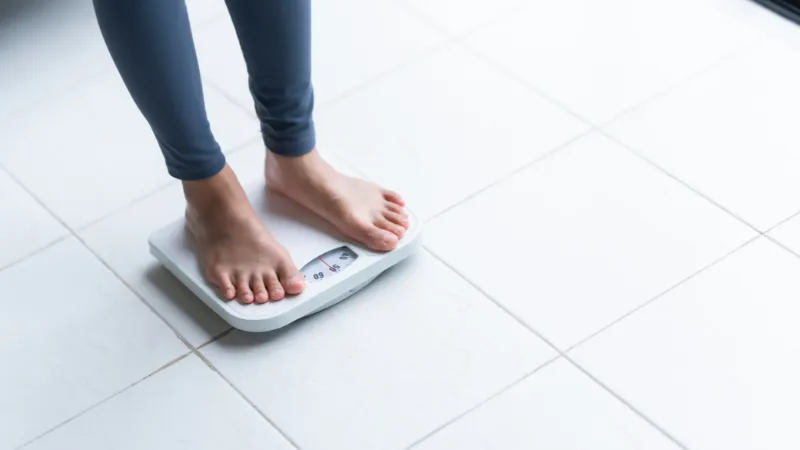
When most people think about weight loss, they focus on one thing: diet. Eat less, move more, and the weight should come off. While that idea sounds simple, it often does not match real life. Many people follow strict diets and still struggle to lose weight.
 Follow us
 Follow us
The reason is that weight loss is not just about calories. Your body is controlled by systems that go far beyond what you eat. Hormones, sleep, and stress all play a major role in how your body stores fat, burns energy, and controls hunger.
If these factors are out of balance, even the best diet can fall short.
The Role of Hormones in Weight Loss
Hormones act as messengers in your body. They control everything from hunger to metabolism to how fat is stored. When your hormones are balanced, your body works efficiently. When they are not, weight loss becomes much harder.
RECOMMENDED FOR YOU


How GoreAd Supports YouTube Visibility Without Asking for Account Access
Team SR
May 22, 2026

One of the most important hormones for weight control is insulin. Insulin helps regulate blood sugar, but it also signals your body to store fat. When insulin levels are constantly high, your body is more likely to hold onto weight.
Another key hormone is leptin. Leptin tells your brain when you are full. If your body becomes resistant to leptin, you may continue eating even when you have had enough.
Ghrelin is another hormone that affects weight. It controls hunger and signals when it is time to eat. High levels of ghrelin can lead to increased cravings and overeating.
There are also hormones like cortisol and testosterone that influence fat storage, energy levels, and muscle mass. When these are out of balance, your body may struggle to lose weight even if you are eating well.
This is why some people feel stuck. It is not always about discipline. It is often about biology.
How Sleep Affects Weight Loss
Sleep is one of the most overlooked parts of weight loss. Many people focus on food and exercise but ignore how much rest they are getting.
When you do not get enough sleep, your hormones become disrupted. Ghrelin increases, which makes you feel hungrier. Leptin decreases, which makes it harder to feel full. This combination leads to stronger cravings and larger portions.
Lack of sleep also affects insulin sensitivity. Your body becomes less efficient at processing sugar, which can lead to increased fat storage.
Beyond hormones, sleep affects energy and decision-making. When you are tired, you are more likely to choose convenience foods and skip physical activity. Small decisions add up over time.
Even one or two nights of poor sleep can impact how your body handles food. Over weeks or months, the effects become much more noticeable.
Getting consistent, quality sleep is one of the simplest ways to support weight loss, yet it is often ignored.
The Impact of Stress on Your Body
Stress is another major factor that can slow or stop weight loss. When you are stressed, your body releases cortisol. Cortisol is helpful in short bursts, but when stress becomes constant, it can create problems.
High cortisol levels can:
- Increase appetite
- Lead to cravings for sugary or high-calorie foods
- Promote fat storage, especially around the midsection
- Disrupt sleep patterns
Stress also affects behavior. When people feel overwhelmed, they are more likely to overeat or lose consistency with healthy habits.
This creates a cycle. Stress leads to poor choices, which lead to frustration, which increases stress again.
Breaking this cycle is key to making progress.
Why Diet Alone Is Not Enough
Diet is still important, but it is only one part of the picture. If your hormones are unbalanced, your sleep is poor, and your stress is high, your body will resist change.
You might eat less and still feel hungry all the time. You might exercise more and still feel tired. You might lose a few pounds and then hit a plateau that does not make sense.
This is why many people feel like they are doing everything right but not seeing results.
The truth is that your body needs the right environment to lose weight. That environment includes proper hormone function, adequate sleep, and manageable stress levels.
How Modern Treatments Can Help
New medical approaches to weight loss are starting to address these deeper issues. GLP-1 medications like semaglutide and tirzepatide work by helping regulate appetite hormones. They make it easier to feel full and reduce constant cravings.
For some individuals, hormone replacement therapy such as TRT may also play a role. Low testosterone levels can lead to increased fat storage and reduced muscle mass. Addressing these imbalances can support weight loss efforts.
Telehealth platforms like Rx Pros help connect patients with licensed providers who can evaluate these factors and recommend appropriate treatments. This approach goes beyond simple dieting and focuses on how the body actually functions.
Practical Ways to Improve Results
You do not need to completely overhaul your life to see improvement. Small changes in key areas can have a big impact.
Support Your Hormones
- Eat balanced meals with protein and fiber
- Avoid extreme calorie restriction
- Stay consistent with meal timing
Improve Sleep
- Aim for 7 to 8 hours of sleep each night
- Go to bed and wake up at the same time daily
- Limit screen time before bed
Manage Stress
- Take short breaks during the day
- Practice deep breathing or simple relaxation techniques
- Stay active, even with light movement
These changes help your body work with you instead of against you.
The Bigger Picture
Weight loss is not just about willpower. It is about understanding how your body responds to different factors. Hormones, sleep, and stress all shape that response in powerful ways.
When these areas are aligned, weight loss becomes more natural and sustainable. When they are ignored, progress becomes harder no matter how strict your diet is.
This is why more people are moving toward a complete approach to health. Instead of focusing only on food, they are looking at how their body functions as a whole.
With the right support and a better understanding of these factors, long-term success becomes much more achievable.
Recommended Stories for You

Team SR Feb 11, 2026

Team SR Jul 15, 2026


Team SR Dec 16, 2025

Team SR Aug 21, 2026
Trending Stories

Credit Math For An AI Map Generator On Seed Budget

5 technical choices that make the difference between growth and stagnation

Is Gamification as a Service the Next Major Battleground for Startups?

Top 10 Backlink Agencies Businesses Trust for Real Authority

Are Working Students the Quietest Demographic Relying on the Essay Writing Service EssayService.com?

Why UK Startups Need Better Access to Legal Documents as They Scale

How Local Taxi Services Help Keep Highland Tourism Moving

What to Know Before Adding Battery Storage to Your Home