

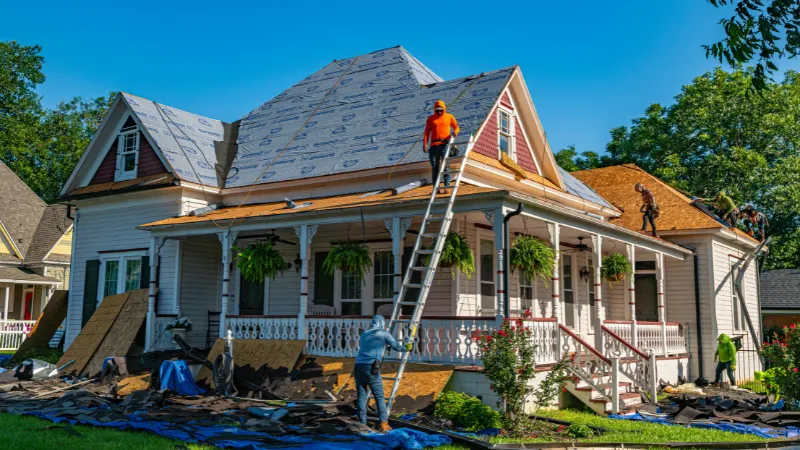
Working at height is one of the most hazardous activities across construction, maintenance, and industrial sectors. Whether a roof is accessed regularly for inspections or only occasionally for repairs, having the right guardrail system in place can significantly reduce the risk of falls. However, choosing and installing roof guardrails involves more than simply placing barriers around the roof edge. Careful planning ensures the system provides reliable protection while meeting the specific needs of the building.
 Follow us
 Follow us
Assess the Roof Type and Layout
The first consideration is the design of the roof itself. Flat roofs, low-pitch roofs, and metal roofs often require different guardrail solutions. The roof surface, edge details, and any existing parapet walls all influence which type of system is most suitable.
It's also important to identify potential hazards beyond the roof perimeter. Skylights, roof hatches, HVAC equipment, and fragile roof sections should all be considered during the planning stage. A comprehensive assessment helps determine where additional protection may be required.
Choose the Right Guardrail System
Not every guardrail system is designed for the same application. Some systems are permanently fixed to the building structure, while others are freestanding and rely on counterweights rather than penetrating the roof membrane.
RECOMMENDED FOR YOU



Freestanding systems are often preferred for flat roofs because they help preserve the waterproofing layer and can usually be installed with minimal disruption. Fixed systems, however, may be more appropriate where permanent structural attachment is required or where specific site conditions demand additional stability.
Selecting a solution that matches the roof's construction and intended use will improve both safety and long-term performance.
Consider Installation Without Damaging the Roof
One of the biggest concerns during installation is protecting the roof itself. Drilling into roofing materials may compromise waterproofing if not completed correctly, potentially leading to costly repairs later.
Modern non-penetrating guardrail systems are designed to avoid this issue by sitting securely on the roof surface without creating holes in the membrane. This approach helps maintain the roof's integrity while still providing dependable edge protection.
For businesses looking for reliable roof safety solutions, simplifiedsafety.co.uk offers systems designed to provide permanent edge protection without penetrating the roof surface.
Ensure Compliance with Safety Regulations
Roof guardrails should always comply with the relevant safety standards and workplace regulations. Employers and building owners have a responsibility to provide safe access for anyone working at height.
Before installation, it's advisable to carry out a thorough risk assessment that considers the frequency of roof access, environmental conditions, and the tasks being performed. Working with experienced professionals helps ensure the chosen system is suitable for the intended application and installed correctly.
Think About Future Maintenance
Installing roof guardrails is not a one-time task. Like any safety equipment, guardrails should be inspected regularly to confirm they remain secure, undamaged, and fit for purpose.
Routine maintenance should include checking fixings, inspecting for corrosion or wear, and ensuring no components have been displaced by severe weather or ongoing building work. Regular inspections help extend the lifespan of the system while maintaining consistent safety standards.
Plan for Safe Roof Access
Guardrails are only one part of an effective roof safety strategy. Safe access to the roof should also be considered during the planning process. Ladders, access hatches, stairways, and walkways all contribute to the overall safety of workers moving around the roof.
Combining properly designed access routes with perimeter guardrails creates a safer working environment and reduces the likelihood of accidents.
Invest in Long-Term Safety
Choosing the right roof guardrail system is an investment in both workplace safety and building protection. By carefully assessing the roof, selecting an appropriate system, protecting the roof structure during installation, and committing to regular maintenance, building owners can significantly reduce risks associated with working at height.
A well-planned guardrail installation not only helps meet legal responsibilities but also provides peace of mind for everyone who needs to access the roof, ensuring a safer environment for years to come.
Recommended Stories for You

Team SR Mar 5, 2026

Team SR Mar 23, 2026

Team SR Aug 20, 2026

Team SR Oct 10, 2025

Team SR Sep 4, 2026

Team SR Apr 14, 2026
Trending Stories

AI Generated Video Needs A Startup Acceptance Gate

Tips For a Smooth and (Cyber)Safe Team Workation

What Advisers Should Expect from a Modern Mortgage Network

Seven Tools (and Ops) Every UK Startup Should Set Up Before Day One

How Trading Platforms Are Using AI and What’s Actually Working

Credit Math For An AI Map Generator On Seed Budget

5 technical choices that make the difference between growth and stagnation

Speech to Text AI: What’s Actually Driving Enterprise Adoption in 2026