

Trading commodities how global markets shape gold, oil and agricultural prices
Jun 16, 2026 | By Team SR
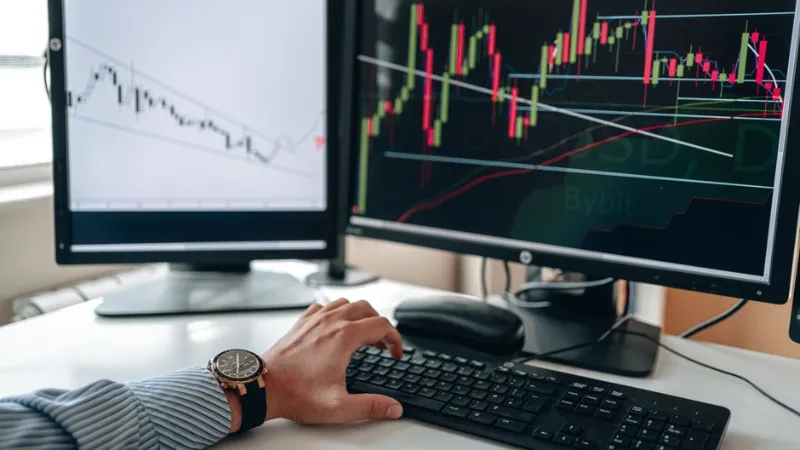
The global economy moves to the rhythm of raw materials that power our daily lives. From the fuel in our cars to the wheat in our bread, commodity prices dictate the cost of living and influence financial strategies worldwide.
 Follow us
 Follow us
The mechanics of gold as a global safe haven
Gold functions as a unique barometer for investor sentiment during periods of high uncertainty. Markets often view this precious metal as a store of value when inflation rises or geopolitical tensions escalate. Central banks hold significant reserves of bullion to stabilize their national currencies.
Demand for gold spikes when traditional assets underperform. Traders monitor these shifts closely to determine long-term trends in the market. Supply chains for gold are relatively stable compared to other sectors. Mining output remains consistent, yet the psychological perception of value drives the daily fluctuations seen on trading screens. Investors seek gold to hedge against systemic risks.
This constant balancing act between physical scarcity and speculative interest defines the price action of the yellow metal. Beyond the psychological aspect, the relationship between real interest rates and gold is fundamental. When rates are low, the opportunity cost of holding non-yielding assets like gold decreases, often leading to increased investment inflows. Conversely, when central banks raise rates to combat inflation, the appeal of gold can wane, illustrating how macroeconomic policy decisions directly influence the metal’s price trajectory.
RECOMMENDED FOR YOU


Oil markets and the influence of geopolitical shifts
Crude oil acts as the lifeblood of industrial production and transportation across every continent. Supply disruptions in key regions like the Middle East cause immediate price spikes at petrol stations globally. OPEC decisions regarding production quotas remain a primary driver of volatility. Traders analyze these policy changes to anticipate future price moves. Large pipelines and maritime shipping routes serve as the physical infrastructure that keeps the market functioning. When these routes face interference, the cost of energy rises for everyone.
Economic growth in emerging nations creates a massive appetite for oil. This steady demand creates a floor for prices even when supply remains abundant. Technology plays a role here as well. New extraction methods have changed the landscape for producers in North America and beyond.
Agricultural commodities and the role of climate patterns
Food prices depend heavily on the unpredictable nature of global weather systems. Droughts in major grain-producing countries lead to scarcity and higher prices for essential crops. Markets must react quickly to these environmental challenges. Farmers adapt their planting strategies based on long-term climate forecasts.
Investors watch crop reports to gauge potential yields for wheat, corn, and soy. The complexity of trading commodities involves understanding these biological cycles alongside global trade policies. Import and export regulations can suddenly shift the profitability of agricultural ventures.
A change in trade tariffs often ripples through the entire food supply chain. Consumers notice these changes at the grocery store months after market shifts occur. Stability in this sector requires a delicate balance between local harvest success and international demand. Furthermore, the rise of sustainable farming practices and bio-fuel mandates adds another layer of complexity.
As nations shift their energy policies toward renewables, the demand for crops like corn and sugarcane traditionally used for fuel production creates a direct link between energy policy and food security. This intersection means that an investor focusing on agricultural assets must now monitor not only weather patterns but also legislative shifts in the green energy sector.
Managing risk through modern brokerage platforms
Navigating these diverse markets requires reliable tools and transparent access to real-time data. Equiti Brokerage (Seychelles) Limited is an FSA-regulated multi-asset broker offering global access for trading online.
As part of Equiti Group, we prioritise secure trading conditions and innovative technology. Traders need a platform that handles high-volume environments without technical interruptions. Security measures protect individual accounts from unauthorized access.
Modern brokers provide educational resources to help users understand complex market dynamics. You should always verify the regulatory status of your chosen service provider. Diversification remains a key strategy for those looking to balance their exposure across different sectors. Careful planning minimizes potential losses during unexpected market swings. Success in this field demands patience, research, and a disciplined approach to risk management.
Recommended Stories for You

Team SR Feb 14, 2026

Team SR Sep 24, 2026
Team SR Sep 9, 2026

Team SR Apr 27, 2026

Team SR Feb 24, 2026

Trending Stories

A Startup Founder’s Guide to Choosing the Right Digital Growth Channels
Technical Applications for Modernizing Oil and Gas

What Free Really Means When You Register an LLC: State Fees, Service Fees, and First-Year Tools

How to Choose a Nonprofit Board Seat That Fits Your Life, Not Just Your Calendar

Winning New Customers: How FinTech Startups Can Stand Out In A Competitive Market

From Spreadsheet to WhatsApp: Smarter Follow-Up for Growing Teams

From First Apartment to Graduation: What Students Need From a Boston Property Manager

The Business Behind The Job: What Customers Never See In A Construction Company