

How Smarter Building Systems Are Improving Modern Residential Comfort
Jul 4, 2026 | By Team SR
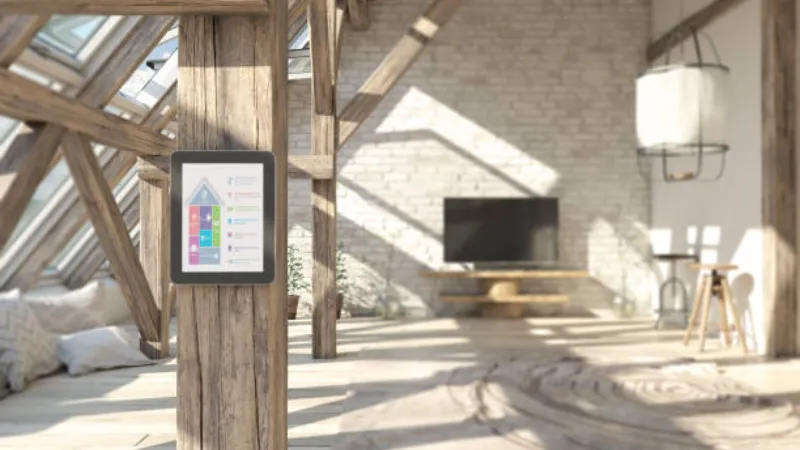
Have you ever entered a home and felt that everything just feels right, from the room temperature to the air, light, and sound around you?
 Follow us
 Follow us
That comfort does not happen by chance. A modern home now depends on many smart building systems working quietly in the background. These systems help people live with more ease, better control, and a calmer daily routine.
Today, residential comfort is about more than soft furniture and nice wall colours. Of course, those things matter, but the real comfort often comes from the way a home works from inside. Good air, stable temperature, proper lighting, water control, safety features, and energy use all play an important role. When these parts work well together, a house feels more peaceful and practical for daily life.
Smarter Building Systems In Modern Homes
Modern homes are becoming more planned from the inside. Builders, architects, and homeowners are now looking at comfort as a complete idea, not only as decoration or room size.
RECOMMENDED FOR YOU



What Building Systems Mean
Building systems are the inner working parts of a home. These include heating, cooling, ventilation, lighting, water systems, insulation, safety controls, and energy management. In simple words, they are the systems that help a home stay comfortable, safe, and easy to use.
For example, a good cooling system helps keep rooms pleasant during hot days. A proper ventilation system keeps fresh air moving. Good lighting control helps rooms feel brighter during work hours and softer in the evening. Each system has its own role, but the best result comes when all of them support daily living together.
This is where smart planning makes a big difference. A home that is planned well from the start can give better comfort without making people think about every small setting again and again.
Better Temperature Control For Everyday Living
Temperature is one of the first things people notice inside a home. When the indoor climate feels balanced, the whole house feels more relaxing.
How Smart Climate Control Helps
Smart climate control helps keep indoor temperature steady. Instead of depending only on manual switches, modern systems can adjust heating or cooling based on time, room use, and weather conditions. This gives a more balanced feeling across different parts of the home.
In real life, this means the bedroom can stay cool at night, the living room can feel pleasant during family time, and the study area can remain comfortable during work hours. This sounds simple, but it matters a lot when people spend long hours at home.
A practical way to think about this is like having a home that understands daily routine. Morning, afternoon, and night can all need different comfort levels. Smarter systems help manage that without making the homeowner adjust everything again and again.
Cleaner Air And Better Ventilation
Good air is a very important part of home comfort. You may not always see it, but you can feel the difference when air moves properly and feels fresh.
Why Air Quality Matters Indoors
Modern ventilation systems help bring in fresh air and move indoor air in a proper way. They also support better humidity balance, which can make rooms feel more pleasant. In many homes, this helps create a lighter and fresher feeling.
A well-planned ventilation setup can support kitchens, bathrooms, bedrooms, and living spaces in different ways. The kitchen may need better air movement during cooking. Bathrooms may need moisture control. Bedrooms need fresh and calm air for rest. Each room has different needs, and smarter systems help handle these needs with better balance.
This is useful because comfort is not only about temperature. Air quality, air movement, and humidity also shape how a room feels. When these things are managed properly, the home feels more natural and easy to live in.
Lighting That Matches Daily Life
Lighting has a strong effect on mood, focus, and comfort. A bright room can help with work, while soft lighting can make evening time feel calm.
Smart Lighting For Better Routines
Smarter lighting systems allow homeowners to manage brightness based on time and use. A kitchen may need clear light while cooking. A living room may need warm light during evening talks. A study corner may need steady light for reading or laptop work.
Good lighting planning also supports natural light. When windows, shades, and artificial lighting work together, the home feels more balanced throughout the day. This gives each room a better mood without extra effort.
One honest thing is that many people think lighting is only about style. But in daily life, it affects how comfortable you feel in a room. Poorly planned lighting can make even a beautiful room feel less useful. Proper lighting, on the other hand, makes daily tasks smoother and more pleasant.
Energy Use With More Comfort
People now want homes that feel comfortable and also use energy in a smarter way. Building systems help connect both goals practically.
How Smart Energy Control Supports Homes
Smart energy systems can help track and manage how energy is used in the home. They can support heating, cooling, lighting, and appliances in a more planned way. This can help homeowners understand their daily use better.
For example, a family may notice which rooms need more cooling during the day or which lights stay on for long hours. This kind of simple information can help them make better choices. Even a basic habit, like checking daily usage with a word counter while preparing home planning notes, shows how small tracking habits can support better decisions in many areas of life.
The main idea is simple. When people understand how their home uses energy, they can enjoy comfort with more control. It also makes the home feel more organized because the systems are working with purpose.
Water Systems That Add Daily Ease
Water use is another part of home comfort that people often think about only when planning kitchens, bathrooms, or laundry areas.
Smarter Water Planning At Home
Modern residential systems can help manage water flow, heating, and usage in a more practical way. Good water pressure, steady hot water, and efficient plumbing layouts can make daily routines much smoother.
Think about a busy morning in an Indian home. One person is getting ready for office, another is preparing food, and someone else may be using the bathroom. At that time, a well-planned water system makes life easier. It supports daily routines without stress.
Smart water monitoring can also help homeowners stay more aware of usage. This gives a sense of control and makes the home feel better managed. Comfort here comes from small things that happen every day, like a proper shower, steady kitchen water flow, and clean water access where it is needed.
Safety And Control In Residential Spaces
A comfortable home also gives people a clear sense of control. When safety systems are planned well, the home feels more settled and reliable.
Smart Safety Features In Homes
Modern homes may include smoke alerts, entry controls, motion sensors, lighting timers, and connected safety systems. These features help families stay more aware of what is happening around the home.
For many homeowners, this gives peace of mind. Parents can feel better about children at home. Elderly family members can move around with more confidence when lighting and alerts are planned properly. A well-managed home supports everyone in the family, not only the person who owns it.
The best part is that these systems can be simple to use. Comfort improves when safety features work in the background and daily life continues smoothly.
Building Systems And Better Home Planning
Smart building systems work best when they are part of the home planning process from the start. This helps each room serve its purpose better.
Why Early Planning Makes Homes Better
When architects, builders, and homeowners think about systems early, they can plan better room layouts, wiring paths, lighting points, air movement, and water access. This creates a home that feels more complete.
For example, placing vents, switches, lights, and control points in the right areas can make daily living smoother. It also helps the home feel cleaner and more organized. Small planning choices can create a big comfort difference later.
A better question would be this: how will people actually live in this home every day? Once that answer is clear, building systems can support real habits, not just floor plans.
Final Thoughts
Smarter building systems are making modern residential comfort more practical, personal, and easy to manage. They support temperature, air, lighting, water, safety, and energy use in ways that fit normal daily life.
A comfortable home is not only about how it looks. It is also about how it feels in the morning, afternoon, and night. When systems work properly, people can enjoy their home with less effort and more peace.
Modern residential comfort is really about small daily improvements. Fresh air, steady cooling, useful lighting, smooth water flow, and simple control all add up. That is why smarter building systems are becoming such an important part of better homes today.
Recommended Stories for You

Team SR Sep 19, 2026

Oliver Bennett Jun 10, 2026

Sophie Carter Oct 3, 2026

Team SR Oct 9, 2025

Team SR May 26, 2026

Team SR Jul 15, 2026
Trending Stories

A Startup Founder’s Guide to Choosing the Right Digital Growth Channels

Technical Applications for Modernizing Oil and Gas

What Free Really Means When You Register an LLC: State Fees, Service Fees, and First-Year Tools

How to Choose a Nonprofit Board Seat That Fits Your Life, Not Just Your Calendar

The Business Behind The Job: What Customers Never See In A Construction Company

From First Apartment to Graduation: What Students Need From a Boston Property Manager

Winning New Customers: How FinTech Startups Can Stand Out In A Competitive Market

From Spreadsheet to WhatsApp: Smarter Follow-Up for Growing Teams