

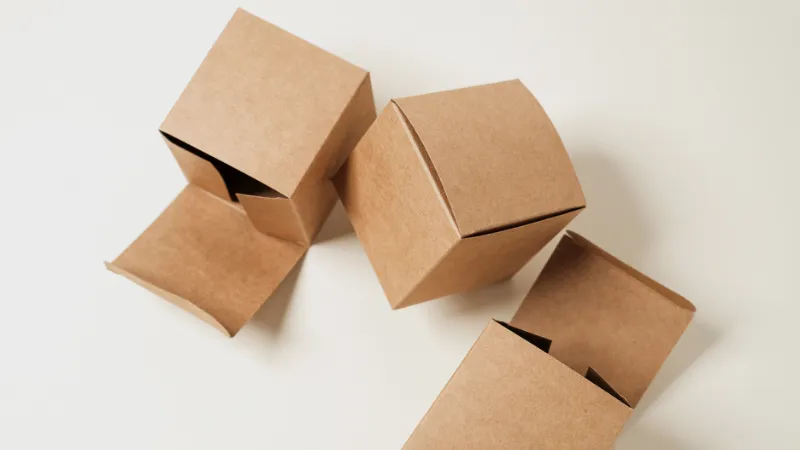
In today’s competitive marketplace, businesses need packaging that does more than simply protect products. It should enhance efficiency, reduce costs, strengthen branding, and adapt to changing customer expectations. Flexible packaging solutions have become an increasingly popular choice because they offer versatility across a wide range of industries, from food and beverages to cosmetics, healthcare, and retail.
 Follow us
 Follow us
As companies continue to focus on growth and operational improvements, investing in the right packaging can make a significant difference. Flexible packaging helps businesses remain competitive while meeting consumer demands for convenience, quality, and sustainability.
Improved Cost Efficiency
One of the biggest advantages of flexible packaging is its ability to lower operating costs. Compared to rigid packaging, flexible materials generally require fewer raw materials to produce, making manufacturing more efficient.
The lightweight nature of flexible packaging also reduces transportation costs. Businesses can fit more products into each shipment, helping lower fuel consumption and storage expenses. These savings quickly add up, particularly for companies shipping products across the UK or internationally.
RECOMMENDED FOR YOU



Lower production and logistics costs allow businesses to invest more resources into marketing, product development, or customer service, supporting long-term growth.
Greater Product Protection
Effective packaging protects products throughout the supply chain, reducing damage and waste. Flexible packaging is designed to provide excellent barriers against moisture, oxygen, light, and contaminants where required.
This helps preserve product freshness, extend shelf life, and maintain product quality during storage and transportation. Fewer damaged goods mean fewer returns, happier customers, and improved profitability.
Whether packaging food, pharmaceuticals, or consumer goods, reliable protection helps businesses build trust with their customers.
Enhanced Branding Opportunities
Packaging is often the first physical interaction customers have with a product. Flexible packaging offers extensive customization options that help businesses stand out on crowded shelves.
High-quality printing allows brands to showcase vibrant colors, clear product information, and eye-catching graphics. Features such as resealable closures, transparent windows, unique finishes, and innovative pouch designs also improve customer experience.
Strong branding creates greater recognition, encourages repeat purchases, and helps businesses establish a memorable presence within their market.
Adaptability for Different Products
Business growth often involves expanding product lines or entering new markets. Flexible packaging makes this process easier because it can be adapted to suit a wide variety of products and sizes.
Whether a business needs stand-up pouches, sachets, bags, wraps, or rollstock, flexible packaging offers solutions that accommodate changing requirements without major production changes.
This flexibility allows businesses to respond quickly to market trends, seasonal promotions, or customer preferences while maintaining efficient production processes. Flexible packaging continues to gain popularity because it combines convenience, efficiency, and product protection across many industries.
Supporting Sustainability Goals
Consumers are placing increasing importance on environmentally responsible packaging. Many businesses are responding by adopting packaging solutions that use less material, reduce transport emissions through lower weight, and incorporate recyclable or responsibly sourced materials where appropriate.
Flexible packaging can help organizations reduce waste while supporting wider sustainability initiatives. Choosing packaging with environmental considerations in mind can strengthen brand reputation and appeal to customers who actively seek responsible businesses.
Sustainability is no longer simply a trend; it has become an important part of long-term business strategy.
Better Customer Convenience
Convenient packaging enhances the overall customer experience. Flexible packaging often includes practical features such as easy-open seals, resealable zips, portion control options, and lightweight designs that are simple to carry and store.
These user-friendly features make products more attractive to consumers while improving satisfaction after purchase. Positive customer experiences often translate into repeat business and valuable word-of-mouth recommendations.
Businesses that make everyday use easier for customers gain a competitive advantage in increasingly crowded markets.
Faster Innovation and Market Response
Successful businesses adapt quickly to changing customer needs. Flexible packaging enables manufacturers to introduce new products, promotional packaging, or limited editions with greater speed than many traditional packaging formats.
Shorter production lead times and adaptable manufacturing processes allow companies to test new ideas without committing to expensive packaging redesigns. This agility helps businesses respond confidently to new opportunities while remaining competitive in fast-moving industries.
Choosing the Right Packaging Partner
The quality of flexible packaging depends heavily on working with an experienced supplier that understands both technical requirements and business objectives.
A trusted partner can recommend suitable materials, provide customized packaging solutions, and ensure consistent quality throughout production. Businesses looking for reliable packaging expertise can explore WePack to find solutions tailored to their operational needs.
The right partnership supports both immediate business requirements and future expansion plans.
Conclusion
Flexible packaging offers far more than an attractive appearance. It supports business growth by reducing costs, improving product protection, strengthening branding, enhancing sustainability efforts, and delivering greater convenience for customers.
As markets continue to evolve, businesses that invest in adaptable, high-quality packaging place themselves in a stronger position to improve efficiency, satisfy customer expectations, and support sustainable long-term growth. Choosing flexible packaging is not simply a packaging decision—it is a strategic investment in future success.
Recommended Stories for You
Team SR Feb 21, 2026

Team SR Jan 28, 2026

Team SR Jan 5, 2026

Team SR Nov 25, 2025

Sophie Carter Sep 30, 2026

Team SR Feb 13, 2026
Trending Stories

Credit Math For An AI Map Generator On Seed Budget

5 technical choices that make the difference between growth and stagnation

Is Gamification as a Service the Next Major Battleground for Startups?

Top 10 Backlink Agencies Businesses Trust for Real Authority
Are Working Students the Quietest Demographic Relying on the Essay Writing Service EssayService.com?

Why UK Startups Need Better Access to Legal Documents as They Scale

How Local Taxi Services Help Keep Highland Tourism Moving

What to Know Before Adding Battery Storage to Your Home