

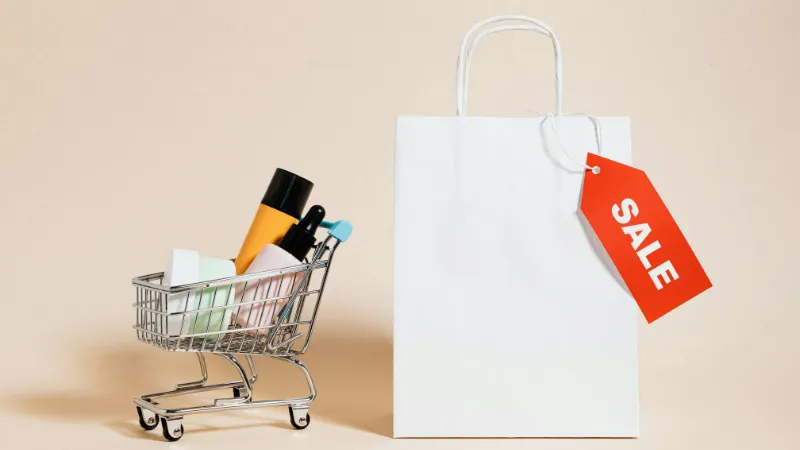
The Shift Away From Simple Discounts
Retail pricing is changing fast.
 Follow us
 Follow us
Basic sales like “10% off” or “20% off” are losing impact. Shoppers have seen them too many times. They expect more.
Now, bundle pricing models are taking over. Offers like “Buy 2, Get 2 Free” grab attention. They feel bigger. They feel like a win.
“We ran a standard 15% off sale early on,” one brand team shared. “People barely reacted. Then we switched to a bundle. Same margin. Way more orders.”
RECOMMENDED FOR YOU



This shift is not random. It is driven by how people think about value.
Why Bundle Deals Work So Well
Perception Beats Percentage
A percentage discount feels small. A free product feels large.
Even if the math is similar, the reaction is different.
Studies show that bundle offers can increase conversion rates by up to 30% compared to standard discounts.
That is a major jump.
“When someone sees ‘free,’ they stop scrolling,” a retailer said. “They want to understand the deal.”
This creates curiosity. Curiosity leads to clicks.
The Psychology Behind “Free”
More Items, More Satisfaction
Getting more items triggers a simple response. It feels like a bonus.
Buyers focus less on price per unit. They focus on total gain.
A shopper may hesitate to spend $30 on two items. But they may quickly spend $30 for four items.
“We had a customer email us after ordering,” one team shared. “They said, ‘I only needed two pairs, but I couldn’t ignore getting four.’ That’s the mindset shift.”
This behaviour increases order size without raising friction.
How It Impacts Average Order Value
Bigger Carts, Better Metrics
Retailers track average order value (AOV). It is a key number.
Bundle pricing raises AOV.
Instead of selling one item, brands sell multiple items in one transaction.
Data shows that bundle deals can increase AOV by 20% to 50% depending on the category.
That means fewer customers can generate the same revenue.
“We saw orders double in size almost overnight,” a brand noted. “Same traffic. Higher output.”
This makes marketing more efficient.
Inventory Moves Faster
Solving Stock Problems
Bundles help move inventory quickly.
Products that sit too long cost money. Storage fees add up. Trends shift.
Selling multiple units at once clears stock faster.
“We had one colour that wasn’t moving,” a retailer said. “We added it into a bundle. It sold out in days.”
This approach reduces waste.
It also creates room for new products.
Building Customer Trust Through Value
Repeat Buyers Drive Growth
Bundles are not just about first purchases. They create repeat customers.
When buyers feel they got strong value, they come back.
“We had someone order a bundle just to test us,” a team shared. “They came back a week later and bought the same deal again.”
That kind of behaviour matters.
Retention is often cheaper than acquisition.
One Brand’s Take on Bundle Pricing
A well-known example in this space is WillowAce.
The brand used a “Buy 2, Get 2 Free” model to challenge traditional pricing.
Instead of lowering price per item in a simple way, it increased perceived value.
“We knew people wanted to try the product without risk,” the team said. “Giving them more pairs made that decision easier.”
This approach helped them scale quickly.
It also built trust through experience.
Why This Model Fits Modern Shoppers
People Want More Control
Shoppers today compare everything.
They look at:
- Price
- Quality
- Quantity
Bundle deals hit all three.
They offer a clear value story.
“You don’t need to explain a bundle for long,” a retailer said. “People get it right away.”
That clarity is powerful.
Potential Downsides to Watch
Not Every Product Fits
Bundles work best for repeat-use items.
Socks, basics, and consumables perform well.
High-ticket items may not.
“You wouldn’t use this model for a $500 product,” one expert noted. “The numbers don’t work the same way.”
Brands must match the model to the product.
Margin Control Matters
Giving away products can hurt profit if done wrong.
Brands need to understand their costs.
They must price bundles carefully.
“We tested different bundle sizes,” a team said. “Some worked. Some didn’t. It took data to find the balance.”
Actionable Tips for Retailers
How to Use Bundle Pricing Effectively
Start With Your Best Seller
Use your most popular product in the bundle. It drives trust.
Keep the Offer Simple
Avoid complex rules. Clear deals convert better.
Test Different Ratios
Try “Buy 2, Get 1” or “Buy 3, Get 2.” Measure results.
Watch Your Margins
Know your cost per unit before launching.
Use Feedback to Adjust
Customer reactions will show what works.
“We changed our bundle after reading reviews,” one brand shared. “People told us what they wanted. We listened.”
Actionable Tips for Shoppers
How to Use Bundles Smartly
Only Buy What You Need
More items are not always better.
Check Price Per Unit
Make sure the deal is real.
Look at Product Quality
A good bundle with weak products is still a bad buy.
Think Long-Term
If you will use all items, the value increases.
“Don’t get caught by the word ‘free,’” one shopper said. “Make sure you actually need it.”
The Future of Retail Pricing
Bundle pricing is not a trend. It is becoming standard.
More brands are testing it.
More shoppers expect it.
As competition grows, pricing strategies will evolve further.
Simple discounts will fade.
Structured value will take over.
“If a brand isn’t testing bundles, they’re missing out,” one retailer said. “It’s one of the easiest ways to change buying behaviour.”
Final Thoughts
“Buy 2, Get 2 Free” is more than a promotion.
It changes how people think about value.
It increases order size. It builds trust. It moves inventory.
For brands, it offers a new way to grow.
For shoppers, it offers a new way to buy.
And once people get used to that level of value, it becomes the new standard.
Recommended Stories for You

Team SR Jul 4, 2026

Team SR Jan 30, 2026

Team SR Jul 23, 2026

Team SR May 29, 2026

Team SR Aug 20, 2026
Trending Stories
Credit Math For An AI Map Generator On Seed Budget

5 technical choices that make the difference between growth and stagnation

Is Gamification as a Service the Next Major Battleground for Startups?

Top 10 Backlink Agencies Businesses Trust for Real Authority
Are Working Students the Quietest Demographic Relying on the Essay Writing Service EssayService.com?

Why UK Startups Need Better Access to Legal Documents as They Scale

How Local Taxi Services Help Keep Highland Tourism Moving

What to Know Before Adding Battery Storage to Your Home