

[Funding alert] Cambridge-based Apollo Therapeutics Secures USD 33.5M in a Second close of its Series C Round Funding
Jan 2, 2024 | By Oliver Bennett
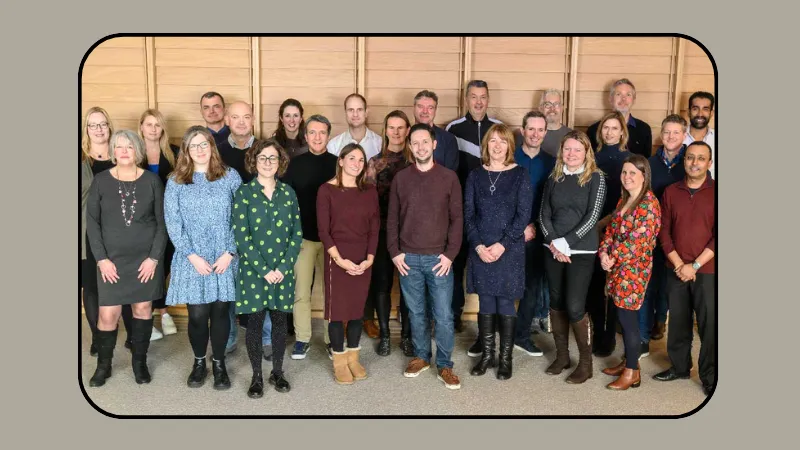
Apollo Therapeutics, a Cambridge, Massachusetts-based company, closed its Series C round of funding with USD 33.5 million. Patient Square Capital led the $260 million round, in which several new investors, including M&G plc and two of the biggest US public pension plans, joined forces with existing investors, including Rock Springs Capital.
 Follow us
 Follow us
The company plans to use the funds to licence or purchase more clinical stage programmes that satisfy stringent selection criteria, advance pipeline programmes through clinical development, and further fund its drug discovery and development activities based on advances in basic medical research made at its partner institutions.
Read also - London-based Olsam Group Acquired Dwarfs
Apollo Therapeutics is a portfolio biopharmaceutical company led by Dr. Richard Mason, the CEO, that focuses on turning basic medical research into pharmaceuticals.
RECOMMENDED FOR YOU
AnyKrowd funding news – Brussels-based AnyKrowd has Raised €4Million in a Series A Round Funding
Kailee Rainse
Nov 29, 2024
A centralised management team of capital allocators and functional leaders with extensive backgrounds in pharmaceutical R&D, manufacturing, commercial strategy, fund-raising, and business development forms the foundation of the portfolio-model. This team is then leveraged over a wide range of therapeutic programmes, each of which is overseen by an experienced and committed asset leader.
Read also - GLORY to Acquire Flooid
About Apollo Therapeutics
Apollo Therapeutics, As a portfolio biotech, they generate value for our investors, patients, and inventors by working on a wide range of drug programmes. Their goal is to create a diverse clinical-stage portfolio of assets with a concentration on high-value markets. In their three main biological focus areas—immunology, cell stress response, and cell signaling—they offer more than 20 programmes.
Recommended Stories for You
Oliver Bennett Apr 19, 2024

Kailee Rainse Jan 20, 2025

French Biotech Faircraft Acquires VitroLabs Assets In Effort To Dominate Lab-Grown Leather Market
Kailee Rainse May 7, 2025
Oliver Bennett Jan 9, 2024
Kailee Rainse Jul 24, 2025
Trending Stories
Shellworks Secures $15M To Expand Sustainable Plastic Alternative Vivomer

Top Funding Wrap Of The Week – March 09 – March 13 2026

Lithuanian Startup Axiology Raises €5M For Tokenised Capital Markets Platform
xWatts Raises £1.6M To Expand AI Energy Management Platform

Antwerp Startup Maurice & Nora Raises €1M To Expand In-Home Care Platform
Flower funding news – Swedish-based Flower Secures €25 Million in Series A Round Funding

PULSETRAIN funding news – Munich-based PULSETRAIN Secures €6.1 Million in Seed Funding
CoolSem Technologies Secures Pre-Seed Funding For Wafer-Level Thermal Solutions