

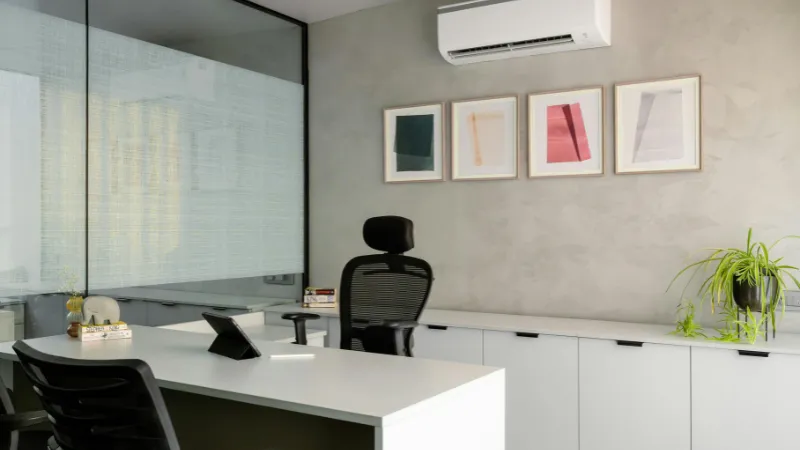
Moving into your first office is an exciting milestone. You have a proper base, room for your team to grow and, ideally, a space that reflects the kind of business you want to build. But once the desks are in and the Wi-Fi is working, it is easy to forget about the less glamorous side of office life: maintenance.
 Follow us
 Follow us
Keeping on top of a few essential tasks can make your workplace safer, more comfortable and more professional, while also helping you avoid bigger repair bills later.
1. Keep Floors and Carpets Clean
Office flooring takes more punishment than you might expect. Dirt, dust, spills and constant foot traffic can quickly leave carpets looking tired, particularly around entrances, desks and communal areas.
RECOMMENDED FOR YOU



Why Fast-Growing Startups Are One Shared Spreadsheet Away From a Data Breach
Team SR
Sep 18, 2026
Regular vacuuming is a good start, but deeper cleaning should also be part of your maintenance schedule. Professional services such as Carpet Cleaning London Pro can help remove embedded dirt and stains that everyday cleaning may not tackle.
Clean flooring does more than improve appearances. It can also help create a fresher, more welcoming environment for employees, customers and visitors.
2. Check Heating and Ventilation Systems
Nobody wants to work in an office that is freezing in January or unbearably warm during summer.
Heating, ventilation and air conditioning systems should be inspected and maintained regularly. Filters may need changing, vents should be kept clear and any unusual noises or performance issues should be investigated before they develop into expensive problems.
Good ventilation is particularly important in busy offices, helping to keep the workplace comfortable throughout the day.
3. Stay on Top of Electrical Maintenance
Businesses rely heavily on electricity, from computers and printers to kitchen appliances and phone chargers.
Damaged sockets, overloaded extension leads and faulty equipment should never be ignored. Encourage employees to report electrical problems immediately and arrange professional inspections whenever necessary.
It is also worth creating sensible rules around extension leads and portable appliances so that your office does not gradually become a maze of overloaded sockets.
4. Inspect Plumbing Regularly
A dripping tap might not seem particularly urgent, but small plumbing problems can quickly become bigger ones.
Check kitchens, toilets and utility areas for leaks, poor drainage or signs of damp. Fixing minor problems promptly can help prevent water damage, unpleasant smells and unnecessary increases in water usage.
If your business occupies a rented office, make sure everyone knows whether you or the landlord is responsible for arranging particular repairs.
5. Test Safety Equipment
Fire alarms, emergency lighting, extinguishers and other safety equipment need regular checks. Maintenance in these areas is not something to postpone until something stops working.
Keep clear records of inspections and make sure employees know where emergency exits and safety equipment are located. You should also avoid allowing boxes, furniture or deliveries to block escape routes.
Build Maintenance into Your Routine
Office maintenance is much easier when it becomes part of your normal business routine rather than something you only think about when there is a problem.
Creating a simple weekly, monthly and annual maintenance checklist can help you stay organised. By dealing with cleaning, repairs and safety checks early, you can create a workplace that looks professional, works efficiently and remains comfortable for everyone using it.
Recommended Stories for You

Team SR Apr 9, 2026

Team SR Mar 23, 2026


Team SR Jun 1, 2026
Team SR Sep 3, 2026

Trending Stories

What Free Really Means When You Register an LLC: State Fees, Service Fees, and First-Year Tools

From First Apartment to Graduation: What Students Need From a Boston Property Manager

A Startup Founder’s Guide to Choosing the Right Digital Growth Channels

Technical Applications for Modernizing Oil and Gas

How to Choose a Nonprofit Board Seat That Fits Your Life, Not Just Your Calendar

The Business Behind The Job: What Customers Never See In A Construction Company

Winning New Customers: How FinTech Startups Can Stand Out In A Competitive Market

From Spreadsheet to WhatsApp: Smarter Follow-Up for Growing Teams