

Premium Watch Market Is Moving From Status Buying To Smarter Ownership
Aug 5, 2026 | By Team SR
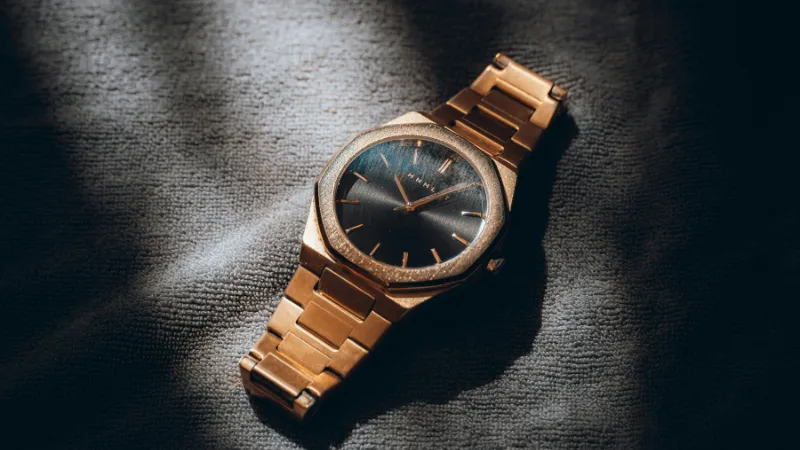
The premium watch market is no longer behaving like the old luxury playbook. Earlier, the story was simple enough:
 Follow us
 Follow us
- Heritage
- Scarcity
- Craftsmanship
- A bit of social signaling.
However, buyers today look at watches with a sharper lens. Of course, they still care about design. But they also care about durability and resale potential. Also, serviceability and long-term usefulness are necessary.
Moreover, this shift comes at a strange time. In fact, digital devices have made timekeeping almost too easy, yet mechanical. Meanwhile, premium quartz watches continue to hold attention.
Therefore, the watch is no longer just a time tool. Rather, it has become a small, wearable asset. Now, it is part emotional object and part market product. It is neither exactly jewelry nor exactly technology. That is where things get interesting.
RECOMMENDED FOR YOU


So, read on to get a better idea of the shifting trends in the premium watch market.
Market Behavior Is Becoming More Rational, Not Less Aspirational
Although premium watch buyers still want aspiration, increasingly they want proof to back it up. Of course, a strong brand name helps. But it no longer closes the sale on its own. So, before making a decision, consumers compare -
- Movement reliability
- Material quality
- Warranty terms
- Bracelet finishing
- Servicing costs
- Secondary-market chatter.
As a result, watch buying has become slower and more researched. Frankly, it has also become a little more serious.
In addition, mid-premium brands are gaining attention. This is because buyers want credibility without always paying ultra-luxury prices. It is where Japanese watchmaking continues to attract practical collectors and first-time buyers. This is especially true with Seiko’s broad ecosystem.
So, consumers might choose to shop Seiko timepieces in today’s discerning market. This is useful for those who want -
- Heritage
- Everyday usability
- Long-term value without needless noise.
Why Are Buyers Reading the Fine Print Now
To be honest, the modern watch buyer is not just chasing a logo. Instead, the buyer is asking better questions. These are both detailed and useful.
- What movement powers the watch?
- Will it handle everyday knocks?
- Does the brand support repairs properly?
- Will the design age well (or will it look like a trend piece in two years)?
Consequently, this turns the market toward substance. The brands that will benefit must have:
- Strong manufacturing discipline
- Consistent quality control
- Clear product segmentation.
Meanwhile, brands that lean too heavily on hype may still generate short-term heat. However, they mostly struggle when buyers begin comparing real ownership value.
| Buyer Priority | What It Means in the Watch Market | Market Impact |
| Movement Reliability | Buyers assess automatic, quartz, solar, and hybrid movements more carefully | Brands with proven engineering gain trust |
| Resale Awareness | Consumers check long-term desirability before purchase | Classic designs outperform novelty pieces |
| Everyday Wearability | Comfort, water resistance, size, and durability matter more | Practical premium watches see stronger demand |
| Brand Heritage | Buyers still value history, but only when quality supports it | Empty storytelling loses influence |
| Service Access | Repairs, parts, and maintenance costs shape decisions | After-sales strength becomes a differentiator |
E-Commerce Has Changed the Buying Rhythm
Online watch retail has broadened and accelerated. Also, it made the market more transparent. However, it has also made consumers more cautious.
In fact, buyers can compare prices, specifications, and owner reviews within minutes. So, weak product positioning becomes easier to spot. Therefore, brands and retailers need -
- Cleaner information
- Better imagery
- Less inflated language.
At the same time, digital discovery has helped niche models gain visibility. For instance, a buyer may enter the category through a popular dive watch. Then, the buyer might slowly move toward dress watches, field watches, GMT models, or limited editions.
This journey feels organic.
- Curiosity
- Comparison
- Preference.
Eventually, the buyer starts thinking like a collector. This happens even if the collection has only two watches. Check out the Swiss watch industry trends and data to know more.
Key Growth Signals to Watch
It is important to spot multiple patterns. These are better than loud marketing campaigns. Although these are not flashy, they say a lot about where the premium watch market is moving.
1. Practical Luxury Is Gaining Ground
Buyers want watches that look refined but handle daily wear. Therefore, to stay relevant, brands must offer -
- Quality materials
- Solid finishing
- Dependable movements at sensible price points.
2. Collectors Are Becoming More Disciplined
Most consumers do not buy every hyped release. Instead, they now choose fewer pieces with clearer purpose. As a result, timeless design language and repair-friendly construction matter more than short-lived exclusivity.
3. Younger Buyers Are Research-Heavy
Consumers may discover watches on social media. However, they mostly validate their choices through -
- Forums
- Reviews
- Comparison content.
Consequently, transparent product education influences purchase decisions more than glossy campaigns.
Competitive Positioning Is Shifting Toward Trust
The strongest watch brands will not simply sell identity. Rather, they will sell confidence. Although that sounds plain, it still matters. Basically, a premium watch purchase involves emotion, money, and patience.
In fact, hesitation enters the room very quickly if a buyer doubts -
- Authenticity
- Service support
- Long-term relevance
- Finishing quality.
Furthermore, the market rewards brands that know their lane. It is not that every watch needs to chase luxury pricing. Also, not every model needs a limited-edition label.
In fact, consistency may become more powerful than constant novelty. If a brand wants to build deeper loyalty over time, it must -
- Protect Design integrity
- Manage availability
- Communicate technical value clearly.
Smarter Ownership Will Define the Next Phase of Premium Watches
The premium watch market is becoming more mature and skeptical. This is making it more interesting. Although buyers still want beauty and status, they also want evidence. They want a watch that works and lasts. Also, it must feel good and make sense after the excitement settles.
Ultimately, the next phase will favor brands that combine heritage with practical ownership value. Of course, the winning formula will not be pure hype. Also, it will not be a cold technicality.
Moreover, it will sit somewhere in the middle. It must have credible design and reliable engineering. Furthermore, there must be transparent selling and enough emotional pull to make the purchase feel personal. That is where premium watches still have room to grow.
Recommended Stories for You

Kailee Rainse Jun 13, 2026
Sophie Carter Oct 5, 2026

Team SR Jan 22, 2026

Team SR Sep 17, 2026
Team SR Aug 25, 2026

Team SR Jul 29, 2026
Trending Stories
Credit Math For An AI Map Generator On Seed Budget

5 technical choices that make the difference between growth and stagnation

Is Gamification as a Service the Next Major Battleground for Startups?

Top 10 Backlink Agencies Businesses Trust for Real Authority

Are Working Students the Quietest Demographic Relying on the Essay Writing Service EssayService.com?

Why UK Startups Need Better Access to Legal Documents as They Scale

How Local Taxi Services Help Keep Highland Tourism Moving

What to Know Before Adding Battery Storage to Your Home