


A/B testing is used frequently in gaming website design. A development team changes one screen, runs an A/B test for several days, and sees one version finish ahead. The result may look decisive, even when the changed element had little influence on it. In gaming and other event-led products, different fixtures, game outcomes, user groups, and time periods can influence this kind of test, without the measured metric actually being the defining feature. The first task is therefore to identify what the product change could reasonably affect, then separate that signal from variation that would have appeared anyway.
 Follow us
 Follow us
An analysis of common A/B testing pitfalls describes metric selection as fundamental to the usefulness and validity of an experiment. It also notes that frequentist tests require an adequately planned sample, and that hour-of-day, day-of-week, and seasonal effects can complicate the observation window. These points do not prescribe one universal test length. A test can be statistically tidy yet poorly matched to the decision the team needs to make. A numerical lead is meaningful only when the metric matches the question, and the test has observed enough relevant conditions.
Start With What the Changed Aspect Can Affect
Before interpreting a result, the team needs to define the part of the experience that the experiment actually changed. In gaming products, a metric may move because of the changed element, an underlying event, the mix of users, or the timing of the test. Treating all of those movements as one signal makes attribution unreliable. The clearest starting point is therefore to ask which behaviours sit close enough to the changed element to be relevant. Once that boundary is established, broader outcomes can serve as useful context without being mistaken for direct evidence of product impact.
“Treatment variance” is the outcome caused by the element being tested. If a team changes the wording and position of an event card, suitable measures could include card selection, time to first interaction, or abandonment before the next step. During a session at Lucky Rebel, for example, interaction with a redesigned card could plausibly be affected by the new presentation, while the result of the underlying match or game could not be caused by that display change. A/B testing can incorporate the outcome of both elements, so it’s important for product designers to account for this.
RECOMMENDED FOR YOU



Further testing at Lucky Rebel may also contain a different mixture of fixtures, games, and returning users, even when the treatment stays identical. The primary metric should therefore remain close to the changed element, with major differences in activity handled through randomisation, segmentation, or comparable test periods. Otherwise, a favourable week can be credited to the interface when the same movement might have occurred without it. Removing distant outcome measures from the main decision does not discard useful information. It keeps the experiment focused on the claim it can actually support.
Separate Four Sources of Variation
A useful diagnosis divides observed movement into four sources. Treatment variance comes from the product element being changed. Outcome variance comes from the underlying match, game, or external event. Audience variance reflects differences in experience, prior behaviour, or user composition. Calendar variance covers fixtures, campaigns, time of day, weekdays, and seasonal patterns. These sources can overlap within the same test, so identifying one does not automatically remove the others.
Three questions make the gaming classification practical. Is the metric directly connected to the changed element? Could the observed difference occur without the treatment? Has the test covered enough comparable activity cycles? The second question is often the most revealing. If a metric can swing because one fixture attracted unusual attention or one cohort behaved differently, the team may need a narrower primary measure, a longer run, or analysis planned around relevant segments. An inconclusive result is more useful than a confident decision based on the wrong signal.
Match the Window to the Product
A longer test is not automatically a better test. A daily-use game may observe several comparable cycles quickly, while an event-led title may need multiple fixtures or weekends. Extending the window adds little when the later period introduces a different audience or activity mix without accounting for it. The goal is enough comparable exposure to judge the treatment, rather than an arbitrary number of days. Coverage matters because a short interval may omit the activity pattern that most strongly affects the chosen measure.
Teams should also distinguish random assignment from representativeness. Randomisation can balance many differences between variants during the same period, but it does not guarantee that the period represents the conditions in which the feature will operate later. A result gathered around one major event may be valid for that experiment and still provide weak evidence for quieter weeks. The decision should match the population, time window, and activity represented by the data.
Know When the Result Is Not Ready
A multi-company study of continuous experimentation based on 12 companies and 27 practitioner interviews found that experimentation effectiveness was shaped by processes and infrastructure, user-problem complexity, and organisational incentives. The useful lesson is that statistical output alone cannot repair unclear metrics, incomplete instrumentation, or a test that asks one measure to represent several different behaviours.
The result should remain undecided when the primary metric cannot isolate the changed element, comparable cycles are missing, or exposure cannot be separated from the underlying outcome. The next step may be to run a more refined test, better instrumentation, or a qualitative study. An A/B test earns a product decision only when the variation it measures belongs to the question being asked.
Recommended Stories for You
Team SR Jul 28, 2026


Team SR Dec 16, 2025

Team SR Jan 27, 2026

Sophie Carter Oct 7, 2026

Team SR Feb 24, 2026
Trending Stories

Tips For a Smooth and (Cyber)Safe Team Workation
AI Generated Video Needs A Startup Acceptance Gate

How Trading Platforms Are Using AI and What’s Actually Working

What Advisers Should Expect from a Modern Mortgage Network

Seven Tools (and Ops) Every UK Startup Should Set Up Before Day One
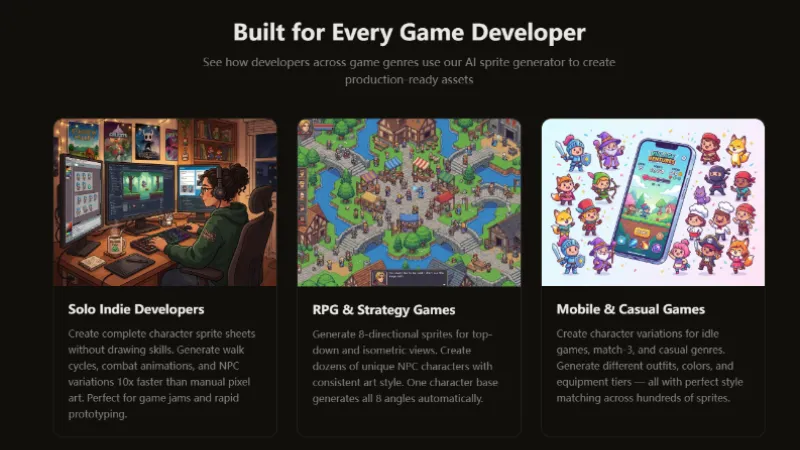
Credit Math For An AI Map Generator On Seed Budget

5 technical choices that make the difference between growth and stagnation

Speech to Text AI: What’s Actually Driving Enterprise Adoption in 2026