

Why the Best Interviews in Sports Start with One Unexpected Question
Apr 14, 2026 | By Team SR

The Problem with Predictable Questions
Sports interviews often sound the same.
“How does it feel?”
“What does this win mean?”
“Talk about that last play.”
 Follow us
 Follow us
These questions are safe. They are also forgettable.
Athletes hear them every day. They prepare answers before the question is even asked. That leads to scripted responses. No insight. No story. No connection.
A study from the International Journal of Sport Communication found that over 60% of athlete interviews follow repeated question patterns, which leads to lower engagement from audiences.
RECOMMENDED FOR YOU

Why Fast-Growing Startups Are One Shared Spreadsheet Away From a Data Breach
Team SR
Sep 18, 2026
High Net Worth Cash Flow Design: Engineering Stability in Volatile Markets
Team SR
Jun 4, 2026

If the question is predictable, the answer will be too.
What Makes a Question Unexpected
Specific Beats Generic
Unexpected questions are not random. They are precise. They focus on a moment most people ignore.
Instead of asking about the outcome, they ask about the experience.
During a training camp interview, one reporter asked a returning player, “What did it feel like the first night you tried to run again?”
The player paused. He said he went to a high school track at night because he didn’t want anyone to see him struggle. He made it halfway around. He stopped. He sat in the grass and thought his career might be over.
That answer changed the entire interview.
Timing Matters
The best unexpected questions come at the right moment. Not too early. Not too late.
Ask too soon and the athlete stays guarded. Ask too late and the moment passes.
Watch body language. Wait for a pause. Then ask.
Why Unexpected Questions Work
They Break the Script
Athletes prepare for common questions. Unexpected ones force them to think in real time.
That thinking creates honesty.
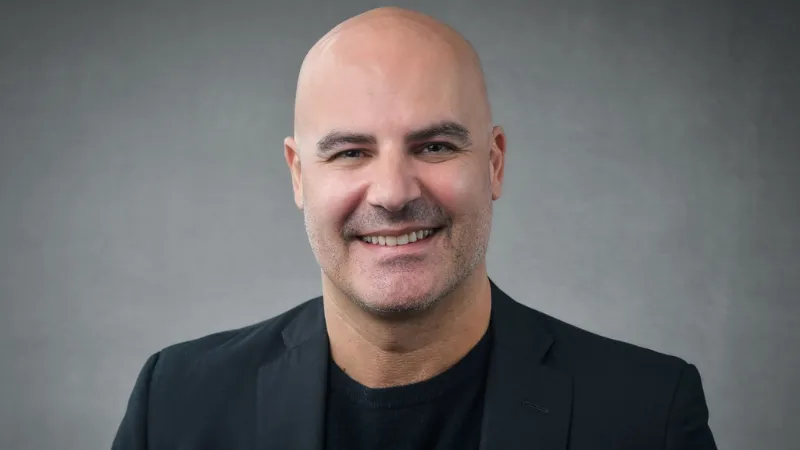
Rick Saleeby once explained this approach in simple terms: “If I ask something they didn’t rehearse, I get the version of them that’s actually thinking, not performing.”
That difference shows up immediately in tone, pace, and detail.
They Unlock Memory
Unexpected questions trigger memory instead of repetition.
A USC study found that specific, memory-based questions increase emotional recall by over 50% compared to general prompts.
When athletes recall a moment, they describe it with detail. That detail builds story.
They Build Trust
Unexpected questions signal effort. They show the interviewer did more than skim stats.
Athletes notice that.
When they feel respected, they open up.
Real Examples That Changed the Story
The Silent Locker Room Moment
After a tough loss, a reporter skipped the usual post-game script. He asked, “What did the locker room sound like when you walked in?”
The player said, “Nothing. No one talked. You could hear tape ripping and ice bags moving. That was it.”
That answer painted a scene. It gave context to the loss.
The Family Text
After a big win, instead of asking about the game, a reporter asked, “Who texted you first?”
The athlete smiled. He said it was his older brother, who had trained him since he was a kid. He read the message out loud.
That moment connected with fans more than any stat line.
The Data Behind Better Questions
Engagement Increases with Depth
Research from Sports Business Journal shows that interviews with personal or story-driven answers hold audience attention 35% longer than standard Q&A formats.
Longer attention means stronger connection.
Sharing Follows Emotion
Meta reports that content with emotional storytelling is shared three times more often than content focused on performance breakdowns.
Unexpected questions lead to emotional answers. Emotional answers lead to sharing.
How to Ask Better Questions
Do the Homework
Know more than stats. Know the backstory.
If a player returned from injury, study the timeline. If a team struggled, understand why.
Preparation leads to better questions.
Write Down Three Specific Questions
Before any interview, prepare three questions that focus on moments, not outcomes.
Examples:
- “What did you notice in the huddle before that play?”
- “When did you realize this game was different?”
- “What did your coach say to you when you came off the field?”
These questions guide the conversation toward real experiences.
Use the “Nobody Saw This” Rule
Ask about moments that were not on camera.
“What happened in the tunnel before the game?”
“What did you say to yourself before that shot?”
These questions uncover new information.
Let the Answer Breathe
Do not interrupt. Do not rush to the next question.
Silence allows the athlete to expand.
In one interview, a player paused for ten seconds before answering. That pause led to a detailed story about his recovery process. If the interviewer had jumped in, that story would be lost.
Follow Up with Precision
If an athlete mentions something interesting, go deeper.
If they say, “I was nervous,” ask, “What part made you nervous?”
Follow-ups show attention.
What to Avoid
Avoid Leading Questions
Do not suggest the answer.
Instead of “You must have felt great after that,” ask, “What did you feel after that?”
Leading questions limit honesty.
Avoid Multi-Part Questions
One question at a time.
Multiple questions confuse the subject and dilute the answer.
Avoid Filling Silence
Silence feels uncomfortable. Let it happen.
That discomfort often leads to the best answers.
Why This Matters for the Future
Sports content is everywhere. Highlights are instant. Stats are constant.
The only way to stand out is through better storytelling.
Better storytelling starts with better questions.
Unexpected questions create real answers. Real answers create connection. Connection builds loyalty.
That sequence matters for anyone in media.
Final Thoughts
The best interviews do not come from asking more questions. They come from asking better ones.
Unexpected questions shift the conversation. They turn routine interviews into memorable stories.
They reveal the human side of sports.
Rick Saleeby has shown that one well-placed question can change everything. It can turn a short interview into something people remember.
Ask what others don’t.
Wait longer than others do.
Listen more than you speak.
That’s how great interviews start.
Recommended Stories for You

Team SR Aug 31, 2026

Team SR Aug 17, 2026


Team SR Sep 28, 2026

Team SR Aug 19, 2026

Team SR Jun 24, 2026
Trending Stories

From First Apartment to Graduation: What Students Need From a Boston Property Manager

A Startup Founder’s Guide to Choosing the Right Digital Growth Channels

Technical Applications for Modernizing Oil and Gas

How to Choose a Nonprofit Board Seat That Fits Your Life, Not Just Your Calendar

The Business Behind The Job: What Customers Never See In A Construction Company

Winning New Customers: How FinTech Startups Can Stand Out In A Competitive Market
From Spreadsheet to WhatsApp: Smarter Follow-Up for Growing Teams

How to Choose the Right Jurisdiction for Your Business Relocation