

Stockholm-Based Wilgot Secures $3Mn to Boost Brand Visibility in AI Assistants
Nov 19, 2026 | By Oliver Bennett
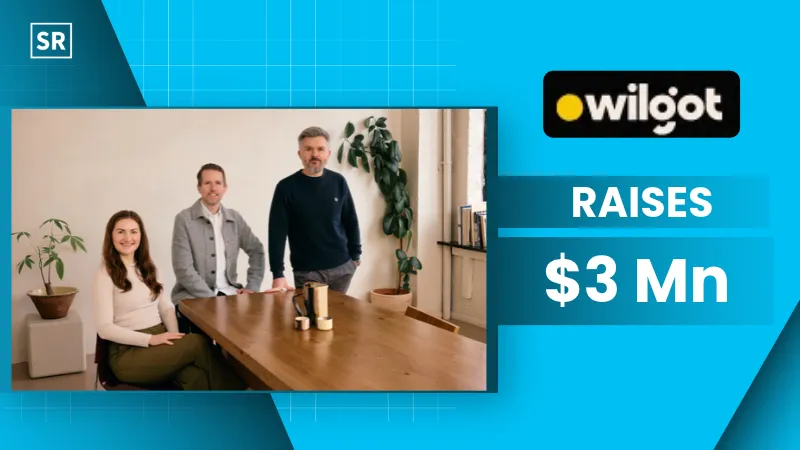
Stockholm-based startup Wilgot has raised $3 million in a Seed funding round. The company develops technology that helps brands improve how their products appear in AI assistants. Its platform helps businesses make their products easier to find when people use AI tools to search for information and recommendations.
SUMMARY
- Stockholm-based startup Wilgot raised $3 million in a Seed funding round.
- The round was led by Industrifonden.
- Luminar Ventures, Foundry Ventures, Ventures Together and Inovexus also participated.
- Wilgot was founded in 2024 by Erik Wikander, Dr Mhairi Dunion and Oleg Danylenko.
 Follow us
 Follow us
The funding round was led by Industrifonden, with participation from Luminar Ventures, Foundry Ventures, Ventures Together and Inovexus. Several angel investors also joined the round.
The angel investors include Johan Bäckarlin and Johan Hjelte, the founders of Voyado, along with Niclas Mollin, founder of inriver and Occtoo. The investment will support Wilgot as it continues to develop its technology for improving product visibility across AI assistants.
According to Erik Wikander, co-founder and CEO of Wilgot, "brands often focus on measuring their visibility in AI assistants rather than making better use of the customer insights they already possess. By turning this knowledge into information AI can understand and act on, we're helping brands compete on the strength of their products, not the size of their advertising budgets."
RECOMMENDED FOR YOU

[Funding alert] London-based Fintech Startup Meniga Secures €15 million in Series D Round Funding
Oliver Bennett
Dec 15, 2023

Midas Raises $50M Series A To Expand On-Chain Investment Platform
Kailee Rainse
Mar 31, 2026
Wilgot was founded in 2024 by Erik Wikander (CEO), Dr Mhairi Dunion (AI Scientist) and Oleg Danylenko (CTO). The Stockholm-based startup helps brands improve their product information to match the changing ways people search for and buy products.
More consumers are now using AI assistants such as ChatGPT, Google Gemini and Perplexity to discover products and get shopping recommendations. Instead of searching for a particular product, users can simply describe what they need and receive suggestions based on their preferences.
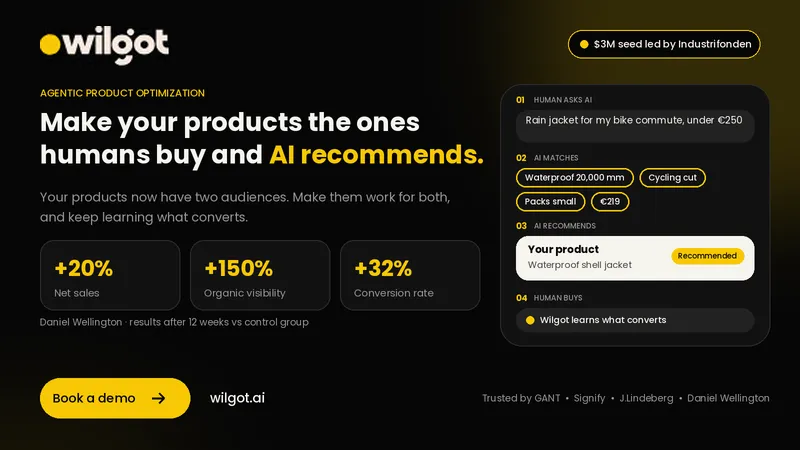
This change is creating new challenges for brands. Traditional product descriptions and marketing content may not always give AI assistants enough information to understand a product and recommend it to the right customers.
Wilgot aims to help brands deal with this change by improving the way their product information is presented to AI assistants. This can help AI tools better understand products and provide more relevant recommendations to shoppers.
The company calls its approach Agentic Product Optimisation (APO). Instead of only tracking how often AI assistants mention a brand, Wilgot focuses on improving product information so AI tools can understand and recommend products more effectively.
Recommended Stories for You
Kailee Rainse Dec 26, 2024

Kailee Rainse Jun 28, 2025
Oliver Bennett Sep 29, 2026

Team SR Apr 1, 2025

Mendo Funding News – Paris-based Mendo raises €3.5 million Funding to accelerate adoption of GenAI
Oliver Bennett Oct 17, 2024

Kailee Rainse Jan 22, 2026
Trending Stories

Fresha Becomes New UK Unicorn After €68.9M Investment From KKR

[Funding alert] Matsmart-Motatos Secures €40 Million Growth Round Funding

[Funding alert] Hamburg-based Bioeconomy Startup Traceless Raises €36.6 million in Series A Funding

[Funding alert] Bristol-based E-commerce Platform Huboo Secures £29 Million in Funding

QMatter Raises $1.2M In Pre-Seed Led By 55 North

German Encosa raises €25M In Seed Funding For Battery Storage Solutions

GuruSup Raises €1.3M Seed Round Led by 4Founders Capital

London FinTech Startup PANTA Raises €3.4 Million To Modernise Financial Indices