

The Business Behind The Job: What Customers Never See In A Construction Company
Sep 30, 2026 | By Sophie Carter
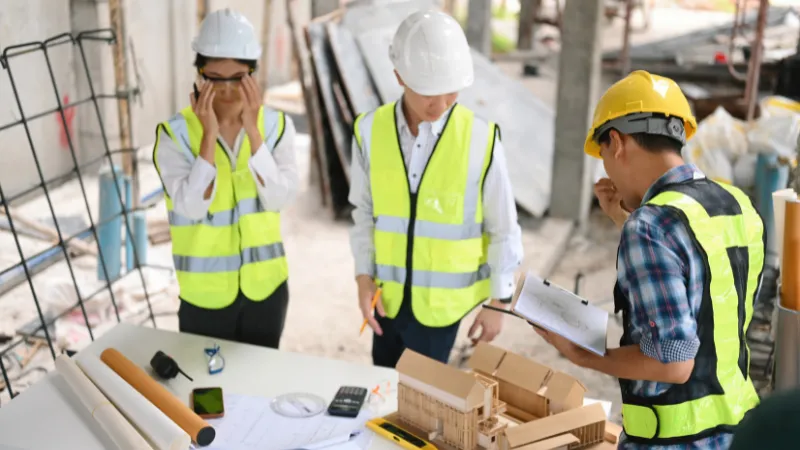
The visible work is a small part of the job
A homeowner sees a crew show up, spread material, and leave a finished driveway or lot behind. That is maybe ten percent of what actually happened. Behind that one visible day sits weeks of decisions nobody outside the business ever sees: estimating, scheduling, buying material at the right time, and making sure the right people are on the right job.
 Follow us
 Follow us
Customers judge a construction company by the finished surface. That is fair, since it is the part they live with. But the companies that last are built on the parts nobody photographs.
Estimating is where most of the risk lives
Before a single truck moves, someone has to price the job close enough to make money but not so high that the client walks. That means knowing current material costs, labor hours, equipment time, and what could go wrong on that specific site.
Get the estimate wrong in either direction and the company pays for it later. Price too low and a crew works a full week for a loss. Price too high and a good customer goes to a competitor. This is quiet, unglamorous work, usually done at a desk or in a truck before sunrise, and it decides whether the rest of the job even has a chance.
RECOMMENDED FOR YOU



Scheduling is a constant balancing act
Weather changes. Suppliers run late. A crew member calls out sick the morning of a big pour. None of that shows up in the final product if the scheduling was handled well, which is exactly the point. Customers only notice scheduling when it fails: a delayed start, a crew that shows up short-handed, a project that drags past the date they were promised.
Behind a job that starts and finishes on time, someone has been juggling three or four other jobs at once, moving equipment and people around so nothing sits idle and nothing gets double-booked. That juggling is invisible by design.
Managing a crew is different from managing a task list
A construction business runs on people, not just plans. Keeping a crew steady, showing up on time, working safely, taking pride in the finish, takes more than handing out a work order. It takes someone willing to be on site, set the standard physically, and correct small problems before they become expensive ones.
George Stanley, owner of a paving company, has talked about the difference between running a crew from an office and running one from the job site. That distinction matters more than most customers realize. A crew that respects the person leading them tends to produce work that holds up. A crew that is only managed on paper tends not to.
The paperwork nobody asks about
Permits, insurance, material certifications, safety documentation. None of it is visible in a finished job, and none of it is optional. A company that skips this side of the business might look identical to one that does not, right up until something goes wrong on site. Then the difference becomes very visible, very fast.
This is one reason experienced owners like George Stanley put emphasis on the administrative side of the business as much as the physical side. A paving company's reputation rests as much on what happens in its office as what happens on its lots and driveways.
Cash flow is the quiet threat
Most people assume a construction company gets paid, then pays its bills. In practice, material and labor often go out the door long before a customer's payment comes in. A company can be fully booked with work and still run into trouble if the timing of payments does not line up with the timing of expenses.
Handling that gap is a skill on its own, separate from the trade itself. It has nothing to do with how well someone can lay pavement or pour a foundation, and everything to do with how well they can run a business.
What this means for the customer choosing a contractor
None of this is something a customer can inspect directly. You cannot ask to see someone's cash flow before hiring them for a driveway. But you can ask indirect questions that hint at it: how they handle scheduling changes, how they talk about their crew, whether they can explain their estimate in plain terms rather than a vague number.
A contractor who understands the business side of the job, not just the trade side, tends to be the one still around in five years. George Stanley's approach, treating the office work and the job site work as equally important, reflects a pattern seen across contractors who build businesses meant to last rather than jobs meant to just get finished.
The blacktop or concrete is what you see. The scheduling, the estimating, the crew management, and the cash flow are what actually determine whether that finished surface was built by a company worth trusting again.
Recommended Stories for You


Team SR Sep 23, 2026

Team SR Feb 11, 2026


Team SR Jul 14, 2026

Team SR Aug 29, 2026
Trending Stories

A Startup Founder’s Guide to Choosing the Right Digital Growth Channels

Technical Applications for Modernizing Oil and Gas

What Free Really Means When You Register an LLC: State Fees, Service Fees, and First-Year Tools

How to Choose a Nonprofit Board Seat That Fits Your Life, Not Just Your Calendar

Winning New Customers: How FinTech Startups Can Stand Out In A Competitive Market

From Spreadsheet to WhatsApp: Smarter Follow-Up for Growing Teams

From First Apartment to Graduation: What Students Need From a Boston Property Manager

Why Hands-On Project Oversight Still Matters in Home Remodeling