

How to Read Fall Weather Patterns Before Your Last Hunt of the Season
Sep 24, 2026 | By Team SR
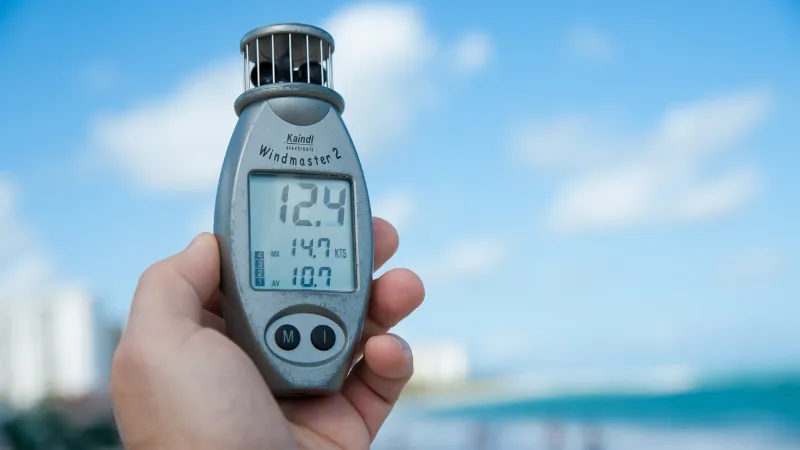
Why Late-Season Weather Reads Differently
Early fall hunting rewards patience. Late fall rewards a different skill: reading pressure systems and temperature swings fast enough to act on them before the animals move again. By the time the last weeks of the season arrive, deer, elk, and waterfowl have already been pushed by hunting pressure, cold snaps, and shrinking daylight. Weather is no longer a background detail. It is the thing deciding whether your hunt works.
 Follow us
 Follow us
Most hunters check the forecast for temperature and precipitation. That is not enough this time of year. What matters more is the direction pressure is moving, how fast it is moving, and what happened in the two or three days before you got there.
Barometric Pressure Matters More Than Temperature
A falling barometer, especially one dropping ahead of a storm front, tends to push animals to feed heavily before the weather turns. This is the window experienced hunters wait for. Movement often picks up six to twelve hours before a front arrives, then drops off hard once the storm sits overhead.
A rising barometer after a front passes usually means slower movement for a day or two while animals settle back into normal patterns. If you only have one day to hunt, the falling-pressure window before a storm is usually the better bet than the day right after one.
RECOMMENDED FOR YOU

Berlin-Based Talon.One Furthers its Incentives Engine Following €114m Funding
Team SR
Nov 26, 2025

You do not need a barometer in your pack. Most weather apps now show a pressure trend line alongside the forecast. Check it the way you would check wind, not as an afterthought.
Wind Direction Changes Your Whole Plan, Not Just Your Stand
Wind gets treated as a scent-control issue, and it is, but late in the season it also changes where animals bed and feed. Cold fronts often bring a wind shift from the prevailing direction, and animals adjust their bedding areas to get out of it. A spot that produced two weeks ago on a south wind can go quiet the moment the wind swings north.
Before you commit to a stand or a blind, look at what the wind has done for the past 48 hours, not just what it is doing right now. Animals react to sustained shifts, not single gusts.
Cold Snaps Trigger Movement, But Timing Is Everything
A sharp temperature drop after a stretch of unseasonably warm weather is one of the more reliable triggers for daylight movement, particularly in deer. The effect is strongest on the first clear, cold morning after the drop. Wait two or three more days and animals have usually adjusted, and the advantage is gone.
This is where a lot of hunters miss the window. They see a cold front coming and plan to go out once it settles in, when the better move is often the first morning after it arrives.
Snow Changes the Math, Not Just the Visibility
Fresh snow does two useful things. It makes tracking easier, and it tends to concentrate feeding activity into shorter windows since animals want to move, feed, and bed down efficiently rather than browse all day. A few inches of fresh snow after a dry stretch can be a strong sign to hunt hard for the next day or two.
Heavy, ongoing snowfall is different. Visibility drops, animals hunker down, and movement often stalls until the snow lets up. Know which kind of snow event you are looking at before you build a day around it.
Reading a Full Week, Not a Single Day
The most useful habit is tracking the pattern over five to seven days, not just checking tomorrow's forecast. Look for the shape of the week: where the pressure drops are, where the wind shifts land, and where a cold snap or warm spell breaks the pattern. Then work backward to pick your day.
This kind of layered reading, watching pressure, wind, and temperature together instead of one at a time, is second nature to hunters who spend real time in the field across different terrain and species. Jesse Vierstra, a lifelong hunter and fisherman across the American West, has built this kind of read into decades of time spent glassing, tracking, and adapting to changing conditions on public and private land alike.
Putting It Together Before You Go
A short checklist before your next trip out:
- Check the pressure trend, not just the forecast icon.
- Look at wind direction over the past two days, not just today.
- If a cold snap just hit, go now rather than waiting it out.
- Note whether snow is fresh and light or heavy and ongoing.
- Map the week's pattern before picking your day, not the night before.
None of this replaces scouting or knowing your ground. But weather is the variable that changes fastest, and it is the one most hunters read the least carefully. Getting it right costs nothing extra. It just takes a closer look at numbers you were already checking anyway.
Recommended Stories for You

Team SR Mar 5, 2026

Team SR Aug 21, 2026

Team SR Jun 16, 2026

Team SR Jun 10, 2026

Team SR Aug 14, 2026

Team SR Jan 27, 2026
Trending Stories

When a Startup Actually Needs a PPC Agency and When It Does Not

Nothing to Hide: What Europe’s Nutrition Brands Teach Founders About Building Trust

A custom web application instead of compromises – when combining Next.js, React and Spring Boot gives a company a real advantage

How to Manage Conflict as a Company Grows

How to Convert Crypto to Cash Without Disrupting Business Cash Flow

How Early-Stage Startups Collect First Revenue Without a Custom Billing Stack

How to Build a Community Fundraiser That Lasts 15 Years

What Should a Modern Secondary School Website Actually Include?