

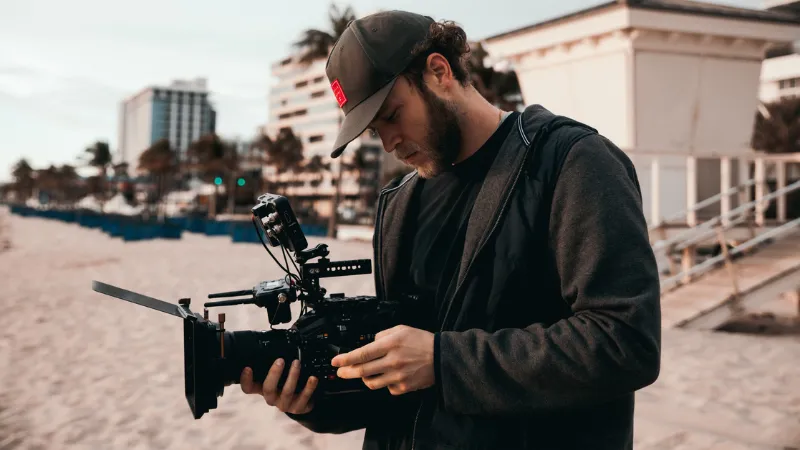
Becoming a successful film director takes far more than a passion for cinema. It requires creativity, technical knowledge, leadership, and the determination to keep learning with every project. While many aspiring directors dream of creating award-winning feature films, most careers begin with much smaller productions that allow filmmakers to develop their craft and establish a professional reputation.
 Follow us
 Follow us
Whether you hope to direct independent films, commercials, documentaries, or major productions, building a strong foundation will help you move closer to your goals.
Develop Your Storytelling Skills
Every great director understands how to tell a compelling story. While impressive visuals certainly matter, audiences connect most strongly with characters, emotion, and narrative. Spend time analysing films from different genres and directors to understand how pacing, framing, dialogue, and performance all contribute to the overall experience. Reading scripts can also help you appreciate how ideas evolve from the page to the screen. The more stories you consume and create, the more confident you will become in developing your own unique directing style.
Gain Practical Experience
Directing is a skill that improves through experience. Waiting for the perfect opportunity can slow your progress, so take every chance to work on real productions. Student films, independent projects, music videos, online content, and community productions all provide valuable opportunities to build confidence while learning how to manage a cast and crew. Each project teaches lessons that cannot be learned in a classroom, from solving unexpected problems on set to making creative decisions under pressure.
RECOMMENDED FOR YOU



Collaborate with Experienced Professionals
Filmmaking is a collaborative process, and successful directors know how to bring talented people together. Working with experienced cinematographers, editors, producers, sound designers, and actors helps elevate the quality of every production.
For many aspiring directors, partnering with a professional short film production company in London can provide access to experienced crews, industry-standard equipment, and guidance throughout every stage of production. Working alongside professionals also allows directors to focus on storytelling while gaining valuable insight into how high-quality productions are managed from pre-production through to post-production.
Learn the Technical Side of Filmmaking
Although directors do not need to operate every piece of equipment themselves, understanding the technical aspects of filmmaking allows for clearer communication with the crew. Learning about camera movement, lighting, sound recording, editing, colour grading, and visual effects helps you make informed creative decisions throughout production. Technology continues to evolve, so staying current with new techniques and equipment will keep your skills relevant throughout your career.
Build a Strong Portfolio
Your portfolio often speaks louder than your CV. Producers and clients want to see evidence of your creative ability rather than simply read about it. Focus on producing a small collection of high-quality work that showcases your storytelling, visual style, and ability to direct performances. Short films, promotional videos, and passion projects can all demonstrate your capabilities when presented professionally.
As your experience grows, continue updating your showreel to reflect your strongest and most recent work.
Build Relationships Within the Industry
Many directing opportunities come through professional connections rather than traditional job applications. Attending film festivals, networking events, workshops, and industry conferences allows you to meet producers, writers, actors, and fellow filmmakers who may become future collaborators. Maintaining positive working relationships also helps establish a reputation for professionalism, reliability, and creativity. The film industry is highly collaborative, and strong relationships often lead to repeat opportunities. Supporting other creatives can also expand your network while exposing you to different filmmaking styles and ideas.
Keep Learning and Evolving
Even the most accomplished directors continue developing their craft. Every production presents new challenges, technologies, and creative opportunities. Watching behind-the-scenes documentaries, attending directing masterclasses, reading industry publications, and seeking constructive feedback all contribute to ongoing improvement. Remaining open to learning allows you to refine your skills while adapting to changes within the film industry. Successful directors never stop growing, regardless of how much experience they have gained.
Building a successful career as a film director rarely happens overnight. It requires persistence, resilience, and a willingness to keep creating even when opportunities feel limited. Every project you bring to life, no matter its size, takes you one step closer to achieving your long-term ambitions behind the camera.
Recommended Stories for You

Team SR Mar 21, 2026

Kailee Rainse Mar 27, 2026

Team SR Feb 14, 2026

Team SR Jun 1, 2026


Trending Stories

Credit Math For An AI Map Generator On Seed Budget

5 technical choices that make the difference between growth and stagnation

Is Gamification as a Service the Next Major Battleground for Startups?

Top 10 Backlink Agencies Businesses Trust for Real Authority

Are Working Students the Quietest Demographic Relying on the Essay Writing Service EssayService.com?

Why UK Startups Need Better Access to Legal Documents as They Scale

How Local Taxi Services Help Keep Highland Tourism Moving

What to Know Before Adding Battery Storage to Your Home