

Real Estate in Dubai: A Traveler’s Guide to Luxury Living and Strategic Investment
Apr 14, 2026 | By Team SR
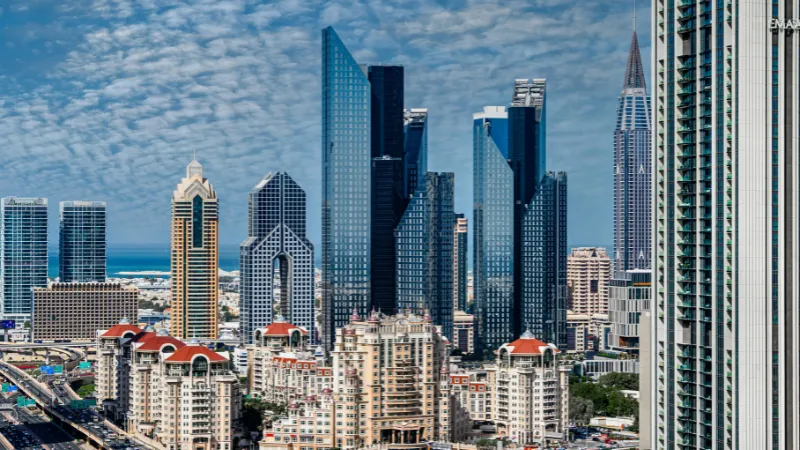
Dubai often feels less like a city that slowly developed and more like one that appeared almost overnight. Glass towers rise from the desert. Artificial islands reshape the coastline. Entire districts emerge within a few years, each more ambitious than the last. For travelers who arrive expecting spectacle, the city delivers. Yet many visitors quickly discover something beyond tourism. They begin to see Dubai as a place where owning property is not just possible, but surprisingly attractive. Platforms like Primocapital.AE, one of Dubai’s leading online property portals, make it easier for curious travelers and seasoned investors to explore opportunities within this constantly evolving market.
 Follow us
 Follow us
What makes real estate in Dubai so fascinating is the unusual blend of lifestyle and investment potential. A visitor may come for the beaches, the shopping, or the skyline, and leave with a completely different idea: perhaps a waterfront apartment, a holiday home overlooking the marina, or even a villa along the coastline of Palm Jumeirah. The city offers a property market that mirrors its own personality. Fast moving. Diverse. International.
Some investors arrive with spreadsheets and strategies. Others simply fall in love with the place during a visit. In Dubai, both paths often lead to the same conclusion.
Why Real Estate in Dubai Captures the Attention of Travelers
Dubai does not rely on a single attraction. Instead, it layers opportunity upon opportunity, combining accessibility, infrastructure, and lifestyle into a package that appeals strongly to global buyers.
RECOMMENDED FOR YOU



Residency Opportunities That Encourage Investment
One of the most powerful incentives is Dubai’s investor friendly residency system. Property buyers who invest AED 2 million or more may qualify for the long term Golden Visa, allowing them to live, work, and remain in the country for extended periods without the usual residency constraints.
For travelers exploring the city for the first time, entry is equally simple. Visa on arrival policies and streamlined electronic visa systems mean international visitors can travel to Dubai with minimal planning. This convenience allows potential investors to visit repeatedly, explore neighborhoods, and gradually familiarize themselves with the market before making a purchase.
Infrastructure Built for a Global City
Dubai’s infrastructure is one of the main reasons so many international residents feel comfortable settling there. The metro system runs automatically through major districts, while modern tram networks connect coastal communities such as Dubai Marina and Jumeirah Beach Residence.
Ride hailing services operate across the city at all hours, making transportation easy even for newcomers. At the same time, Dubai International Airport remains one of the world’s most connected aviation hubs. Direct flights link the emirate to Europe, Asia, Africa, and the Americas, allowing property owners to move between continents with remarkable ease.
For investors who divide their time between several countries, this connectivity is not simply convenient. It becomes essential.
A Lifestyle That Feels Almost Limitless
Living in Dubai often feels like having access to an ever changing playground of experiences. One morning may begin with breakfast overlooking the Arabian Gulf. By afternoon, residents might find themselves skiing indoors at Ski Dubai or wandering through historic souks along Dubai Creek.
The Burj Khalifa stands as a global symbol of the city’s ambition, but it is only one piece of a much larger cultural mosaic. Galleries, beach clubs, rooftop lounges, desert resorts, and entertainment venues continuously reshape the city’s lifestyle landscape.
Food alone tells a remarkable story. Michelin starred restaurants operate beside humble food stalls offering authentic cuisine from every corner of the world. This international character is one of the main reasons expatriates feel at home here.
2025 Market Overview: Transactions and Value
Dubai’s residential property sector experienced an impressive surge during 2025. The market recorded 200,814 transactions, reaching a total value of AED 543.9 billion. Compared with the previous year, this represented a 19.5 percent increase in transaction volume and a 28.3 percent increase in overall value.
Behind these numbers lies a combination of economic, demographic, and regulatory momentum.
First, Dubai’s expatriate population continues to expand steadily. More than seventy percent of residents come from abroad, and many professionals working in the UAE eventually transition from renting apartments to purchasing property.
Second, tourism has strengthened dramatically. The city welcomed nearly 18 million visitors during 2025, reflecting Dubai’s growing reputation as both a luxury destination and a global business hub. Increased visitor numbers naturally fuel demand for short term rental accommodation.
Third, improvements in regulatory oversight have enhanced buyer confidence. The Real Estate Regulatory Agency continues to implement transparent guidelines, ensuring that developers, brokers, and investors operate within a structured and reliable framework.
Together, these elements have created a market environment where both long term homeowners and international investors feel comfortable participating.
Spotlight on Palm Jumeirah
Few developments in the world capture imagination quite like Palm Jumeirah. Extending into the Arabian Gulf in the shape of a palm tree, this man made island remains one of Dubai’s most recognizable landmarks.
Palm Jumeirah combines the atmosphere of a private resort with the comfort of residential living. Villas occupy the island’s fronds, many with private beaches and direct sea views. Luxury apartment buildings line the trunk and crescent, offering sweeping vistas of the coastline and city skyline.
Property for sale in Palm Jumeirah commands some of the highest prices in Dubai. Ultra luxury villas can reach AED 16,000 per square foot, while beachfront apartments average roughly AED 4,289 per square foot.
Despite these premium prices, rental demand remains strong, especially among affluent tourists seeking short term stays. Owners often achieve rental yields between 5 and 7 percent, particularly when properties are used for holiday rentals.
Residents enjoy a lifestyle that blends exclusivity with convenience. Private marinas, beach clubs, luxury hotels, and renowned restaurants are all within easy reach.
Conclusion
Dubai’s real estate market stands at the intersection of ambition, opportunity, and lifestyle. Investors are drawn by tax advantages, strong rental demand, and the city’s global connectivity. Travelers, meanwhile, discover a place that feels both exciting and surprisingly livable.
From the glittering skyline of Downtown Dubai to the tranquil waterfront villas of Palm Jumeirah, the city offers property options that suit a wide range of goals. Some buyers pursue rental income. Others seek a holiday retreat or a long term home in one of the world’s most dynamic cities.
For many people, a first visit to Dubai begins as a vacation. But for a growing number of travelers, it ends with something far more lasting: a decision to become part of the city itself.
Recommended Stories for You


Team SR Jun 26, 2026

Team SR Jul 14, 2026


Team SR Aug 26, 2026

Trending Stories

Building Ongoing Customer Relationships in a Start-up with AI Business Tech

M&A Advisory Firms Helping Organizations Navigate Complex Transactions

A Question People Actually Ask: How Do Small Food Businesses Decide What Stays On The Menu?

Benefits of Virtual Office Space Every Startup Should Know

How to Manage Projects in Startups: 9 Tips for Small Teams With Big Goals

Funding Decisions That Can Make or Break Early Business Growth
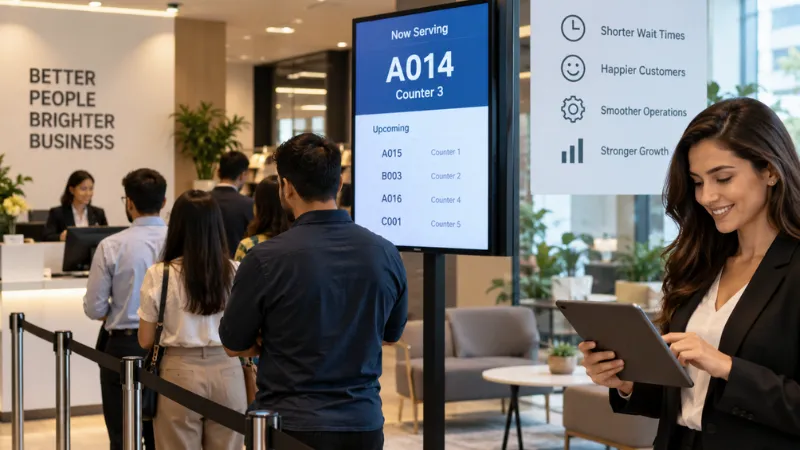
Funded and Growing: Why Scaling Startups Are Investing in a Queue Management System

Why Hands-On Project Oversight Still Matters in Home Remodeling