

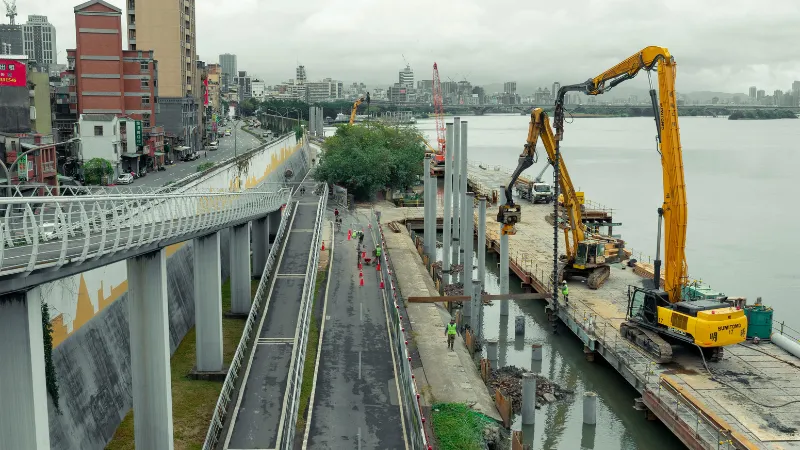
In modern construction and development, timelines are everything. Delays can ripple across budgets, disrupt supply chains, and impact stakeholder confidence. This is where temporary builds step in as a practical and often essential solution. By providing immediate, adaptable infrastructure, temporary structures help ensure that projects continue progressing even when permanent solutions are not yet in place.
 Follow us
 Follow us
From access routes to site offices, these short-term installations are designed to maintain momentum without compromising safety or efficiency. Their role is especially crucial in large-scale developments where multiple phases overlap, and logistical challenges are constant.
Overcoming Access Challenges
One of the most common obstacles in development projects is restricted access. Whether caused by natural barriers like rivers or man-made disruptions such as ongoing groundwork, limited access can slow operations significantly. Temporary builds offer a straightforward way to bypass these challenges.
For instance, installing a Temporary Bridge allows vehicles, machinery, and workers to move freely across otherwise inaccessible areas. This not only saves time but also reduces the need for costly detours or complex workarounds. By ensuring consistent access, projects can maintain steady progress without interruptions.
RECOMMENDED FOR YOU

CoinKnow Review 2026: Is This the Best Coin Identifier App for US Coin Beginners?
Team SR
Mar 23, 2026


Supporting Phased Construction
Large developments are rarely completed in a single phase. Instead, they are broken down into manageable sections, each with its own timeline and requirements. Temporary builds play a key role in supporting this phased approach.
Temporary roads, walkways, and structural supports enable different areas of a site to function independently while still contributing to the overall project. This flexibility allows teams to work simultaneously on multiple sections, accelerating completion times and improving overall efficiency.
Additionally, these structures can be relocated or adjusted as the project evolves, ensuring they remain useful throughout each stage rather than becoming redundant.
Enhancing Safety and Compliance
Safety is a top priority in any construction environment, and temporary builds contribute significantly to maintaining high standards. By providing secure access points, stable working platforms, and clearly defined pathways, these structures help reduce the risk of accidents.
Temporary installations are often designed to meet strict safety regulations, ensuring compliance without the need for permanent alterations. This is particularly beneficial in projects where conditions change frequently, as it allows teams to adapt quickly while still adhering to required guidelines.
Moreover, having reliable temporary infrastructure in place can improve site organization, making it easier to manage traffic flow and minimize potential hazards.
Cost-Effective Solutions for Changing Needs
Budget management is a constant concern in development projects. Temporary builds offer a cost-effective alternative to permanent construction, especially when the need is short-term or uncertain.
Rather than investing in fixed structures that may only be required for a limited period, developers can use temporary options that are quicker to install and remove. This reduces upfront costs and avoids unnecessary long-term expenses.
In addition, the ability to reuse or repurpose these structures across different projects adds further value. This adaptability makes temporary builds a smart financial choice for developers looking to maximize efficiency without overspending.
Minimizing Delays and Downtime
Unexpected challenges are inevitable in construction, from weather disruptions to supply shortages. Temporary builds provide a way to respond quickly to these issues, helping to minimize downtime and keep projects on schedule.
For example, if a planned access route becomes unusable, a temporary solution can be implemented almost immediately, allowing work to continue with minimal interruption. This responsiveness is essential in maintaining productivity and avoiding costly delays.
By acting as a bridge, both literally and figuratively, between challenges and solutions, temporary builds ensure that development projects remain resilient in the face of uncertainty.
Adapting to Modern Development Demands
As construction projects become more complex and timelines more demanding, the need for flexible solutions continues to grow. Temporary builds offer a practical way to meet these evolving requirements, providing the adaptability and efficiency that modern developments demand.
Their ability to address access issues, support phased construction, enhance safety, and reduce costs makes them an indispensable part of today’s construction landscape. By integrating temporary infrastructure into project planning, developers can maintain momentum and deliver results more effectively, even in the most challenging conditions.
Recommended Stories for You

Team SR Sep 11, 2026

Team SR Oct 23, 2025

Team SR Mar 12, 2026

Team SR Aug 5, 2026

Team SR Jan 14, 2026

Team SR Aug 12, 2026
Trending Stories

How to choose between growing your team and improving your process
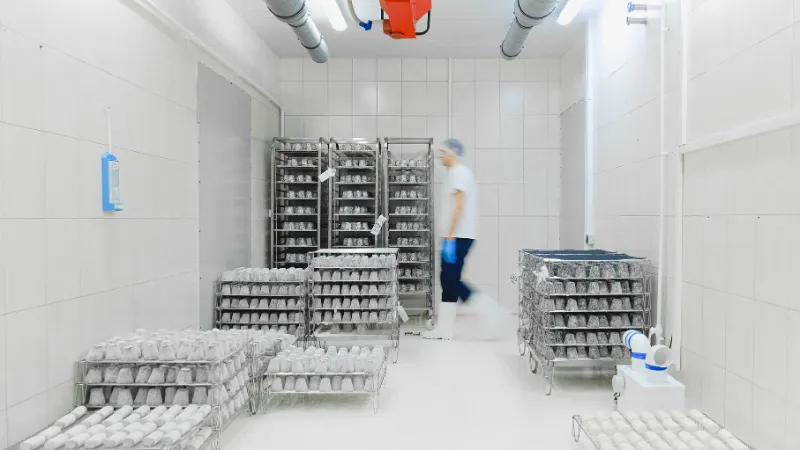
Why controlled temperature spaces matter more than ever
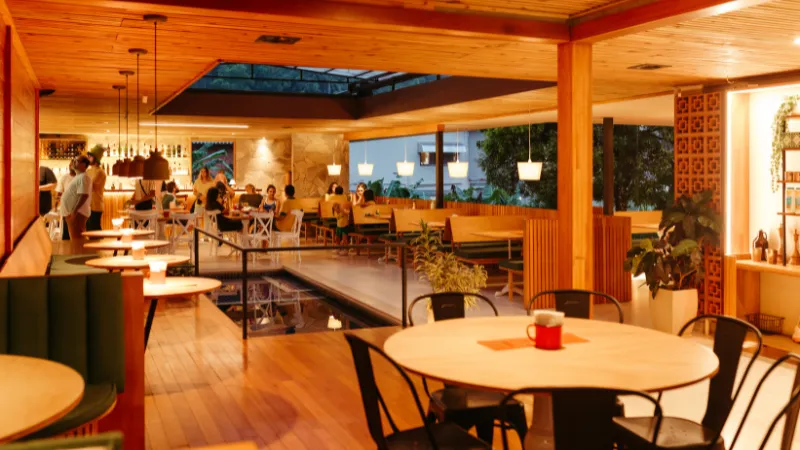
What Changes About Running A Small Restaurant Or Bar Depending On The Size Of Your Town

How Fintech Is Transforming Online Trading: Faster Payouts, Smarter Tools and Better Risk Management

Warning signs your business’s finances need a professional look, and what to do next

Chaturbate Dowloader: How to Record Chaturbate Streams Safely and Reliably

5 Ways Startups Can Grow Customer Support Without Overloading Their Team

How AI and Data Are Reshaping Digital Advertising