

Resource Allocation 101: Getting the Right People on the Right Projects
Aug 12, 2026 | By Team SR
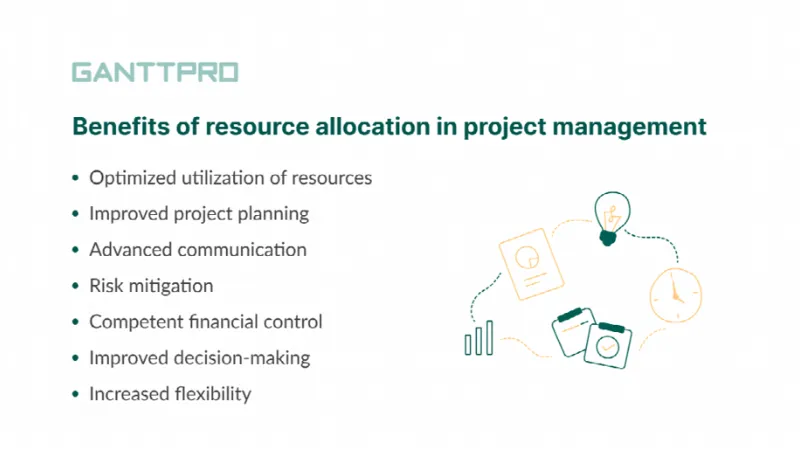
In project management, the right people are often the most valuable resource because they provide the skills, creativity, and adaptability needed to turn project plans into successful outcomes.
 Follow us
 Follow us
While it’s essential to allocate budget, time, materials, equipment, and other resources thoughtfully, it is people who manage these resources, solve problems, adapt to change, and drive productivity throughout the project.
Modern project management platforms use artificial intelligence (AI) to help project managers view project priorities and resource availability in one centralized dashboard, enabling data-driven decision-making.
Here is your full guide to resource allocation, so you can get the right people on the right projects.
RECOMMENDED FOR YOU

How Disciplined Decision-Making Shapes Better Investment Outcomes Over Time
Team SR
Apr 9, 2026


What Is Resource Allocation?
Resource allocation is the process of assigning people, time, budgets, materials, equipment, and other resources to the tasks required to complete a project successfully. The goal is to use every resource efficiently and avoid overworked team members, stretched budgets, or double-booked equipment.
Effective resource allocation often involves assessing employee skills, estimating workloads, forecasting costs, and identifying the tools or equipment needed at each stage of the project.
Why Is Resource Allocation Important?
Effective resource allocation is important for ensuring deadlines are met, productivity is high, and budgets aren’t overrun. When project managers allocate resources effectively, they will see improvements in several areas, including:
- Project timelines: By allocating resources effectively, project managers prevent bottlenecks, avoid unnecessary delays, and keep tasks moving according to schedule. This makes it easier to set realistic deadlines and ensure projects are completed on time.
- Employee productivity: Managing employee workloads through effective resource allocation ensures no employees are overwhelmed or underutilized. This creates a more efficient workplace environment and boosts productivity.
- Project quality: Resource allocation allows project managers to make better use of their team's specialized skills and experience. Assigning employees to tasks that align with their expertise improves accuracy and encourages better decision-making. When the right people are involved, teams are more likely to deliver high-quality work that meets stakeholder expectations.
- Budget control: Effective resource allocation enables project managers to make better use of available budgets by forecasting costs, prioritizing essential resources, and identifying potential overspending early.
- Operational efficiency: By understanding where resources are being used and identifying areas for improvement, project managers can eliminate waste, streamline productivity, and improve collaboration across teams.
As mentioned earlier, people are typically one of the most important resources. Project managers should allocate employees based on their skills and experience rather than their availability. This ensures that the right people are assigned to the right projects, improving productivity and overall project outcomes.
Ultimately, effective resource allocation helps organizations complete more projects without unnecessarily increasing costs or overextending their workforce.
Common Resource Allocation Challenges
Allocating resources becomes increasingly difficult as organizations grow and projects become more complex. Common challenges occur when customer requirements change, budgets shrink, deadlines shift, unexpected absences occur, and skills shortages emerge.
Further resource allocation challenges occur when project managers don't utilize AI-driven project management platforms. Without real-time information, project managers often make resource decisions based on assumptions rather than data, increasing the likelihood of scheduling conflicts and project delays.
Project managers should continue to review resource availability and reassign resources where they will have the greatest impact.
How AI Improves Resource Allocation
AI is rapidly changing how project managers allocate their resources. Rather than manually reviewing schedules, workloads, and project plans, project managers can use an AI-driven project management platform to make data-driven decisions about resource allocation.
For example, AI can help project managers quickly identify employees with availability, match people to projects based on skills and experience, and recommend workload adjustments.
These insights allow project managers to detect issues or conflicts before they impact the project.
Better Resource Allocation Leads to Better Project Outcomes
Effective resource allocation is about more than simply assigning available employees to tasks, booking equipment, or creating a budget spreadsheet. It’s about making informed decisions about where, when, and how resources should be used to maximize efficiency, control costs, and achieve project goals.
As projects continue to grow in complexity, project managers who embrace AI-driven resource allocation platforms will be better positioned to keep track of workloads, skills, priorities, project dependencies, and business objectives. This ensures the right people are allocated to the right projects.
Recommended Stories for You

Team SR Aug 26, 2026

Team SR Jul 23, 2026

Team SR Jul 23, 2026

Team SR Jul 23, 2026

Team SR Jul 24, 2026

Trending Stories

Why UK Startups Need Better Access to Legal Documents as They Scale

Is Gamification as a Service the Next Major Battleground for Startups?

Top 10 Backlink Agencies Businesses Trust for Real Authority

How Local Taxi Services Help Keep Highland Tourism Moving
Are Working Students the Quietest Demographic Relying on the Essay Writing Service EssayService.com?

Building a Startup While Still in University: A Practical Guide

What to Know Before Adding Battery Storage to Your Home

How to choose between growing your team and improving your process