

Why Hiring Readiness Matters More Than Ever for Fast-Growing Startups
May 21, 2026 | By Team SR

Fast-growing startups often treat hiring as a reaction to pressure. A new client signs, product work stacks up, customer support gets stretched, or a founder finally admits the team cannot keep doing everything at once. That is usually when the job post goes live.
 Follow us
 Follow us
The problem is that urgent hiring rarely creates the best hiring. When a startup waits until the pain is obvious, the process often becomes rushed, unclear, and too dependent on gut feeling. In the early stage of a company, one wrong hire can slow down product momentum, damage team culture, or pull founders back into work they were trying to hand off.
Hiring readiness starts before there is a vacancy
A startup does not need a large HR department to be ready for hiring. It needs a clear idea of which roles matter next, what good candidates should bring, and how the team will judge them. That preparation can save weeks when growth suddenly creates a new need.
Founders should already know which tasks are becoming too heavy, which skills are missing, and which responsibilities need to move away from the founding team. They should also make it easier to compare candidates fairly. Even small details, such as asking applicants to use a clear resume template, can help a lean team review experience, skills, and achievements without losing time in messy formatting or incomplete profiles.
RECOMMENDED FOR YOU



For startups, hiring readiness is really about reducing confusion before the pressure arrives.
Growth makes weak hiring processes visible
A five-person team can often work around unclear roles. A fifteen-person team cannot do that for long. As more people join, vague responsibilities become expensive. Founders start seeing repeated questions, duplicated work, missed handovers, and slow decisions.
That is why hiring has to be connected to the company’s next stage, not just its current workload. A startup hiring its first marketer, first operations lead, or first customer success manager is not simply filling a seat. It is changing how the business functions.
Startuprise has covered the expanding role of HR Tech in Europe, where startups and established businesses are using digital tools to improve recruitment, people operations, and workforce management. That trend reflects a wider point: talent systems are becoming part of startup infrastructure, not just admin.
Better recruitment starts with better signals
The strongest startup hiring processes are not always the most complex. They are the ones that make useful signals easier to see. What has this candidate built. How do they solve problems. Can they work with uncertainty. Have they owned outcomes before. Do they understand the pace and trade-offs of startup life.
A Medium article on pre-hire skills looks at how startups can improve recruitment through innovation, career navigation, and better assessment before a hiring decision is made. That matters because a polished interview is not always enough evidence, especially when the role will require independent judgment from day one.
For early companies, structured tasks, clear interview scorecards, and practical work samples can reveal more than a long conversation ever will.
Founders should avoid hiring only for today
One common mistake is hiring only for the problem that is loudest this week. That may solve an immediate pain point, but it can create a new one later if the role was not designed with the next stage in mind.
A better question is: what will this person need to own six months from now. If the company grows, will the role still make sense. Will the person be able to build a process, not just complete tasks. Startups do not always need senior hires, but they do need people who can grow with the work.
That requires founders to slow down before they hire. Not too much, because startups still need speed. But enough to define the role honestly and decide what success will look like.
Hiring readiness is a growth discipline
Startups are judged by speed, but the best ones are not chaotic by default. They build just enough structure to keep moving without breaking the team. Hiring readiness belongs in that category.
It helps founders make cleaner decisions, gives candidates a better experience, and reduces the risk of bringing in people before the company knows what it actually needs. For fast-growing startups, that discipline can become a quiet advantage. The companies that prepare before hiring pressure hits are usually the ones that scale with fewer costly mistakes.
Recommended Stories for You

Team SR Sep 3, 2026

Sophie Carter Oct 3, 2026

Team SR May 22, 2026
Team SR Sep 1, 2026
Team SR Oct 10, 2025

Team SR Jan 22, 2026
Trending Stories
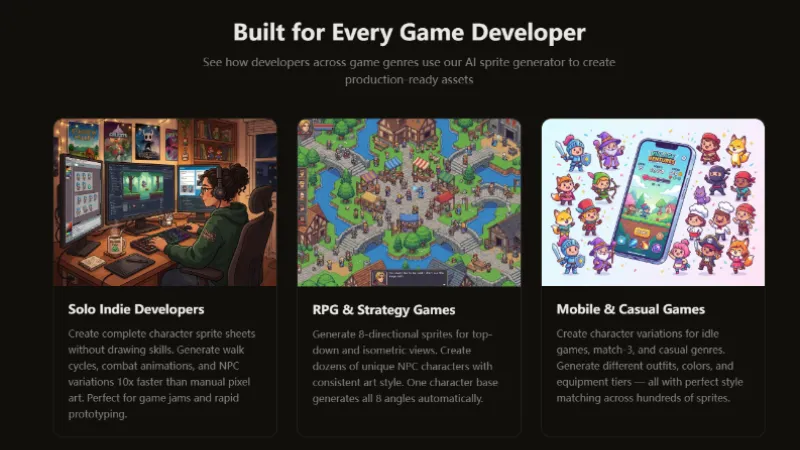
Credit Math For An AI Map Generator On Seed Budget

5 technical choices that make the difference between growth and stagnation

Is Gamification as a Service the Next Major Battleground for Startups?

Top 10 Backlink Agencies Businesses Trust for Real Authority
Are Working Students the Quietest Demographic Relying on the Essay Writing Service EssayService.com?

Why UK Startups Need Better Access to Legal Documents as They Scale

How Local Taxi Services Help Keep Highland Tourism Moving

What to Know Before Adding Battery Storage to Your Home