

Why Cosmetic Packaging Is the Most Strategic Decision a Beauty Brand Will Make
Apr 23, 2026 | By Team SR
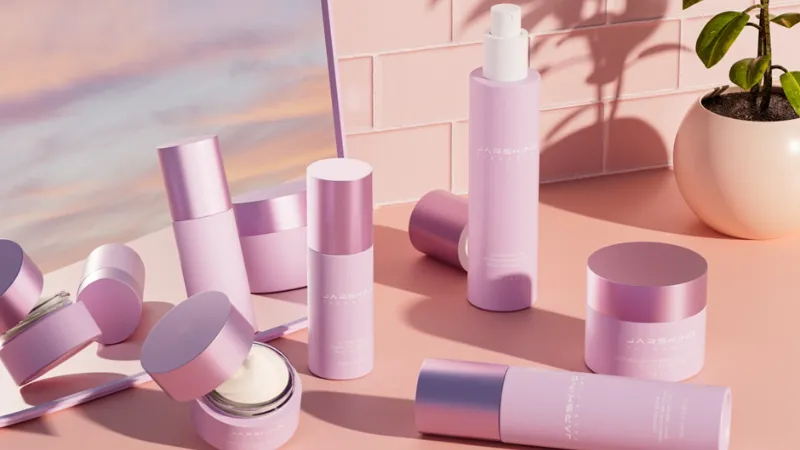
In the beauty industry, the product inside the bottle matters — but so does everything around it. Packaging is the first tactile experience a consumer has with a brand, the silent salesperson on a crowded retail shelf, and increasingly, a statement of corporate values. Yet despite its outsized commercial importance, packaging strategy is still treated by many brands as a downstream procurement decision rather than a core pillar of brand development.
 Follow us
 Follow us
That misalignment is expensive. And in a market where competition across skincare, makeup, and fragrance has never been more intense, brands that get packaging right gain a compounding advantage. Those that get it wrong face margin erosion, retail delisting, and consumer trust deficits that no amount of marketing spend can easily repair.
Packaging as Brand Equity
The most enduring beauty brands in the world — from Chanel and La Mer to emerging clean beauty disruptors — treat their packaging as an extension of their brand promise. The weight of a glass jar, the tactile finish of a matte cap, the precision of an airless pump mechanism: each of these communicates something about the brand before a single ingredient is read.
This is not superficial. Consumer psychology research consistently shows that packaging weight, texture, and visual coherence directly influence perceived product efficacy and willingness to pay a premium price. A serum in a dropper bottle with a frosted glass finish and a weighted metal collar will command a higher price point than the identical formula in a generic clear PET bottle — not because the product has changed, but because the packaging has shaped the consumer's expectation.
RECOMMENDED FOR YOU

For brands competing in the premium and masstige segments, packaging design is therefore a revenue lever, not merely a cost line. The strategic question is not "what is the cheapest container that fits our formula?" but "what packaging architecture best reflects and amplifies our brand positioning?"
The Manufacturer Relationship Determines Everything
A brand's packaging vision is only as strong as its manufacturing partner's ability to execute it. This is where many brands — regardless of size — encounter their most significant operational friction.
The global cosmetic packaging manufacturing landscape is vast and varied. Large contract manufacturers can deliver at scale but often impose rigid minimum order quantities and long lead times that frustrate brand teams trying to respond quickly to market trends. Smaller domestic suppliers offer agility but may lack the technical capability to produce complex glass structures, multi-component mechanisms, or decorative finishes such as vacuum metallisation, UV printing, or hot stamping.
The brands that scale most efficiently are those that find manufacturing partners whose capabilities grow with them. Understanding a supplier's full scope of services — from structural design and mold tooling through to surface decoration, labelling, assembly, and secondary packaging — is essential before committing to a relationship. The Jarsking design and manufacturing concept reflects this end-to-end packaging approach: taking a brand's vision from initial concept through component production, finishing, and final packaging — all under one roof, eliminating the fragmented coordination that erodes timelines and brand consistency.
Sustainability Is Now a Commercial Imperative
The sustainability conversation in beauty packaging has moved decisively from aspiration to requirement. UK and EU regulatory frameworks — including extended producer responsibility (EPR) legislation, plastic packaging taxes, and the incoming eco-design requirements under the Green Deal — are fundamentally reshaping what acceptable packaging looks like. Retailers including Boots, Selfridges, and John Lewis have all issued supplier guidelines that increasingly mandate recycled content, recyclable formats, and credible sustainability documentation.
For beauty brands, this means that material selection is no longer purely an aesthetic or cost decision. Post-consumer recycled (PCR) plastics, FSC-certified paperboard, aluminium, and refillable formats are becoming standard options in any credible packaging brief.
Critically, sustainability claims must be substantiated. The UK Competition and Markets Authority (CMA) has tightened its enforcement of greenwashing in consumer goods, and beauty brands making vague environmental claims face reputational and legal exposure. Brands should require their packaging suppliers to provide third-party certification for recycled content, Chain of Custody documentation for paper components, and REACH compliance reports for all materials. These are not bureaucratic niceties; they are commercial prerequisites for serious retail distribution.
Contract Packaging: Unlocking Operational Efficiency
As beauty brands grow, the decision of whether to self-manage supply chains or consolidate with a contract packaging partner becomes increasingly consequential. Self-managing — coordinating separately with packaging manufacturers, filling houses, labelling suppliers, and freight forwarders — is viable at small scale but becomes deeply inefficient as order volumes increase and SKU complexity grows.
Contract packaging consolidates the packaging side of this equation. A full-service contract packaging partner receives your approved packaging components and brand specifications, then handles decoration, labelling, assembly, and secondary packaging — delivering finished, shelf-ready units. For brand teams, this frees capacity otherwise consumed by supplier coordination, quality disputes, and logistics management, allowing more focus on product development, marketing, and retail partnerships.
Choosing the right partner requires clear-eyed evaluation: quality management certifications (ISO 22716 for cosmetic GMP is the industry benchmark), compatibility with your specific packaging formats, regulatory compliance capabilities for target markets, and transparency around any sub-contractor relationships. For brands ready to consolidate their packaging operations, a purpose-built contract packaging service for beauty brands — covering everything from component production and surface decoration to labelling, assembly, and secondary packaging — offers the most direct path to consistent, scalable output without the operational drag of managing multiple vendors.
Managing the Global Supply Chain
The majority of premium cosmetic packaging is manufactured in China, with a significant cluster of high-capability suppliers concentrated in Guangzhou, Shanghai, and Yiwu. For UK and European brands, this means managing a supply chain that spans time zones, regulatory environments, and logistical variables — all while maintaining brand standards and delivery commitments to retail partners.
Effective management of this relationship requires investment in supplier auditing, clear technical specifications, and pre-production sample approval processes that catch issues before bulk production begins. Brands should also build lead time buffers into their planning cycles. Ocean freight from China to the UK typically runs 25–35 days; add 3–5 weeks for production and a week for customs clearance, and the minimum planning horizon for any new packaging component is comfortably 10–14 weeks.
The Competitive Advantage Hidden in Plain Sight
Packaging strategy is one of the few areas in beauty where a brand can create durable differentiation that competitors cannot copy quickly. A formula can be benchmarked and approximated. A social media campaign can be matched with budget. But a distinctive, well-executed packaging architecture — built on a strong manufacturing partnership with design integrity, sustainable credentials, and operational reliability — takes years to develop and is genuinely hard to replicate.
The beauty brands winning in today's market understand this. They invest in their packaging relationships as seriously as they invest in their product development and their marketing. Because in the end, packaging is not the box the product comes in. It is the brand made physical.
Recommended Stories for You

Team SR Mar 21, 2026

Team SR Oct 10, 2025

Team SR Mar 30, 2026
Team SR Mar 23, 2026

Team SR Apr 9, 2025
Trending Stories

A Startup Founder’s Guide to Choosing the Right Digital Growth Channels

Technical Applications for Modernizing Oil and Gas

What Free Really Means When You Register an LLC: State Fees, Service Fees, and First-Year Tools

How to Choose a Nonprofit Board Seat That Fits Your Life, Not Just Your Calendar

Winning New Customers: How FinTech Startups Can Stand Out In A Competitive Market
From Spreadsheet to WhatsApp: Smarter Follow-Up for Growing Teams

From First Apartment to Graduation: What Students Need From a Boston Property Manager

The Business Behind The Job: What Customers Never See In A Construction Company