

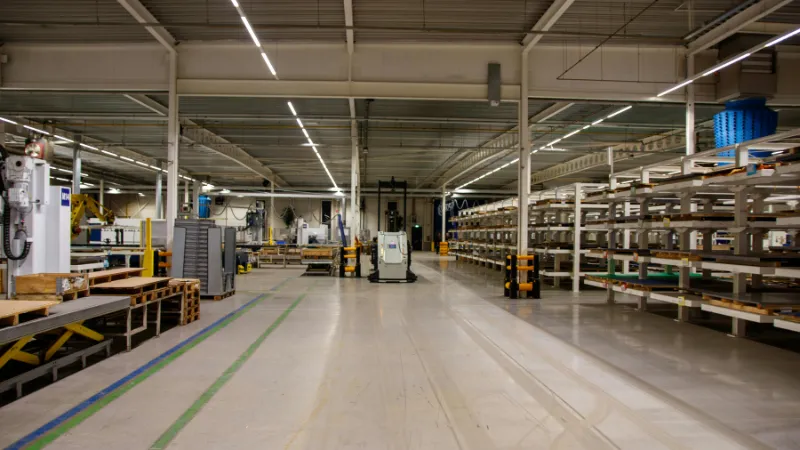
Accessibility within warehouse environments is becoming an increasingly important consideration for modern businesses. While warehouses have traditionally been designed primarily around storage efficiency and operational speed, many companies are now recognising the value of creating spaces that are safer, more inclusive and easier for employees to navigate.
 Follow us
 Follow us
An accessible warehouse benefits not only employees with mobility requirements but also overall workflow, safety and productivity. By improving movement throughout the facility and reducing physical barriers, businesses can create environments that support a wider range of workers while improving operational efficiency at the same time.
Start with clear and organised layouts
Warehouse accessibility begins with layout design. Congested walkways, poorly organised storage systems and unclear routes can create unnecessary obstacles for employees and visitors alike.
Wide aisles and clearly marked walkways help improve movement throughout the warehouse while reducing the risk of accidents. Maintaining uncluttered pathways is particularly important for workers using mobility equipment or handling larger items during daily operations.
RECOMMENDED FOR YOU



Install ramps where needed
Changes in floor level can create major accessibility challenges within industrial environments. Ramps provide a practical solution for improving movement between areas while reducing reliance on stairs or uneven access points.
Well-designed ramps support not only wheelchair users but also pallet trucks, trolleys and general goods movement throughout the warehouse. This can improve efficiency while making the environment safer for all employees.
Slip-resistant surfaces and appropriate gradients are important considerations when installing ramps to ensure they remain practical and safe during daily use.
Improve vertical access with goods lifts
Warehouses using mezzanine floors or multi-level storage systems often face additional accessibility challenges. Moving goods safely between levels can place significant physical strain on employees if suitable lifting equipment is not available.
Goods lifts provide a far more accessible and efficient method of transporting stock, equipment and materials throughout the warehouse. Rather than relying on manual carrying or stairs, businesses can improve both safety and workflow through dedicated lifting systems.
Goods lifts are particularly valuable for reducing manual handling risks and making elevated storage areas more accessible for a wider range of employees. Specialist providers such as Mezzanine Floor Lifts supply systems designed specifically to improve movement and accessibility within industrial and warehouse settings.
Focus on workplace safety and comfort
Accessibility and safety are closely connected within warehouse environments. Good lighting, anti-slip flooring and clear signage all help create safer working conditions while improving navigation throughout the facility.
Accessible welfare facilities, break areas and workstations are also important considerations for businesses aiming to support a more inclusive workforce. Adjustable workstations and ergonomic equipment can further reduce physical strain during repetitive tasks.
Temperature control and ventilation should not be overlooked either, particularly in larger warehouses where environmental conditions can affect comfort and productivity.
Use technology to improve operations
Modern warehouse technology can also contribute to improved accessibility. Automated handling systems, barcode scanners and inventory management software help reduce unnecessary physical tasks while streamlining operations.
By reducing reliance on manual handling and repetitive movement, businesses can create more manageable workloads and improve overall working conditions for employees across different physical abilities.
Build accessibility into long-term planning
Creating an accessible warehouse should not be treated as a one-time adjustment. As businesses grow and operations evolve, accessibility should remain part of wider planning and facility development.
Regular reviews of layouts, equipment and movement processes help identify potential improvements before they become operational problems. Employee feedback can also provide valuable insight into areas where accessibility or safety may need strengthening.
Creating a more inclusive warehouse environment
By improving layouts, installing ramps, integrating goods lifts and investing in safer movement systems, businesses can create facilities that are more accessible for everyone using them.
Beyond supporting inclusivity, these improvements often contribute to smoother workflows, reduced injury risks and stronger long-term operational performance. As warehouse environments continue to evolve, accessibility is becoming an increasingly important part of effective industrial design.
Recommended Stories for You
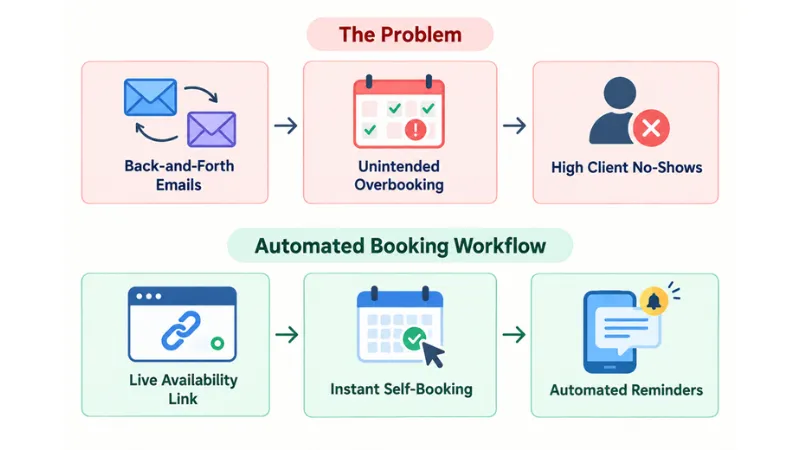
The Best Booking Software for Small Business Owners Who Want to Stop Managing Schedules Manually
Sophie Carter Oct 9, 2026


Sophie Carter Sep 30, 2026

Team SR Sep 28, 2026

Team SR Sep 19, 2026

Trending Stories

What Free Really Means When You Register an LLC: State Fees, Service Fees, and First-Year Tools

From First Apartment to Graduation: What Students Need From a Boston Property Manager

A Startup Founder’s Guide to Choosing the Right Digital Growth Channels
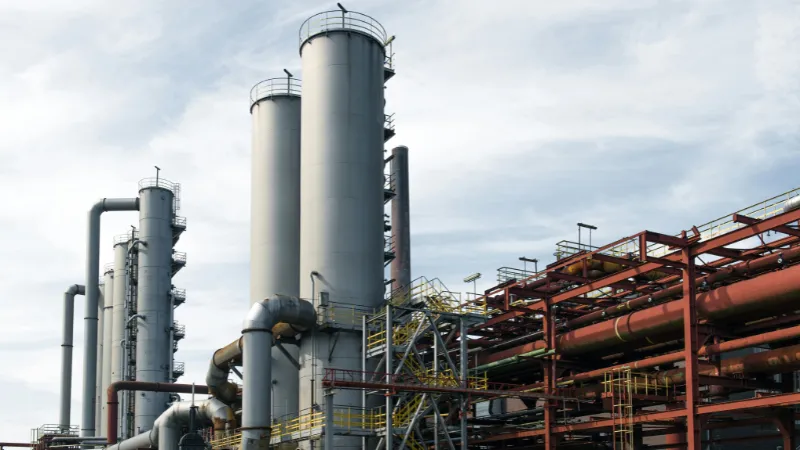
Technical Applications for Modernizing Oil and Gas

How to Choose a Nonprofit Board Seat That Fits Your Life, Not Just Your Calendar
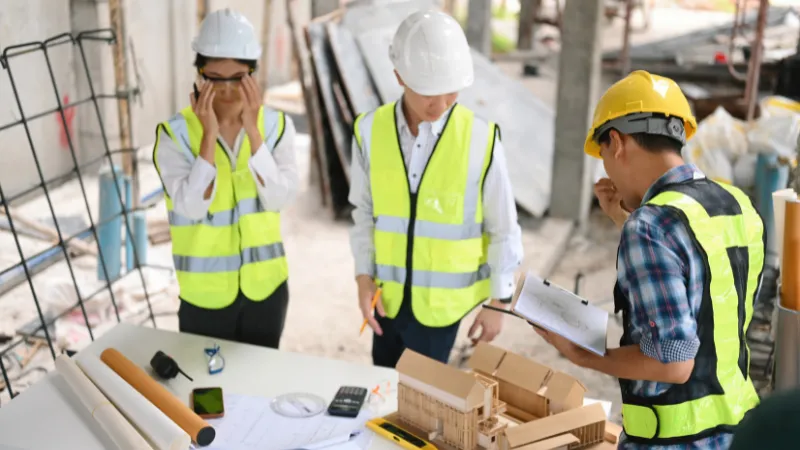
The Business Behind The Job: What Customers Never See In A Construction Company

Winning New Customers: How FinTech Startups Can Stand Out In A Competitive Market

From Spreadsheet to WhatsApp: Smarter Follow-Up for Growing Teams