

From First Apartment to Graduation: What Students Need From a Boston Property Manager
Sep 30, 2026 | By Sophie Carter

Understanding the Full Rental Cycle
Most students sign their first lease without a clear sense of what comes next. They know they need a place to live, but the relationship with a property manager stretches far beyond move-in day. Over the course of two, three, or four years, that relationship shapes everything from study habits to stress levels.
 Follow us
 Follow us
A property manager who understands the student timeline can anticipate needs before they become problems. That means knowing when lease renewals typically happen, when roommates change, and when a quiet semester turns into exam season with a broken heater.
What to Budget for Beyond Rent
Rent is the headline number, but students should ask about every other cost before signing. Security deposits vary widely. Some properties require the first and last month up front. Utility setups can add hundreds of dollars in the first month alone.
Ask whether the property manager handles utility transfers or whether that falls to the tenant. Find out if there are fees for maintenance requests, sublets, guest parking, or storage. A clear breakdown at the start prevents surprises when money is already tight.
RECOMMENDED FOR YOU

Austrian Data Observability Company digna Expands Its Platform with New Python SDK
Team SR
Jun 22, 2026

How to buy Tether TRC20 (USDT) for PayPal dollars (USD) with maximum benefit?
Kailee Rainse
Sep 3, 2025

How Hormones, Sleep, and Stress Impact Weight Loss More Than Diet Alone
Oliver Bennett
Jun 12, 2026
Renters insurance is often required, and it is worth getting even when it is not. Policies start around fifteen dollars a month and cover theft, fire, and liability. A good property manager will recommend coverage and may even have a preferred provider who understands student budgets.
Maintenance Response Time Matters More Than You Think
A leaky faucet is an annoyance. A broken lock is a safety issue. A heating failure in January is an emergency. Students need to know how their property manager categorizes requests and what the expected response time is for each.
Before signing, ask how maintenance requests are submitted. Is there a 24-hour hotline? An online portal? A group text thread? The method matters less than the consistency. A manager who responds to emergencies within hours and handles routine repairs within a week keeps small issues from snowballing.
Alpha Management Corporation, a family-owned real estate company that has worked with students across Greater Boston for more than three decades, emphasizes accessible communication and fast response times as part of its approach to property management. For students balancing classes and part-time jobs, that kind of reliability reduces stress and helps them stay focused.
Lease Flexibility When Life Changes
Roommates graduate early. Internships move off-campus. Study abroad plans shift. Students need property managers who understand that plans change and who offer clear paths forward when they do.
Ask about subletting policies before signing. Some managers allow it with approval. Others forbid it entirely. Find out what happens if a roommate leaves mid-lease. Is there a process to find a replacement? Can the lease be reassigned?
Lease renewal timelines also vary. Some property managers require a decision four months before the lease ends. Others give tenants until sixty days out. Knowing the deadline helps students coordinate with roommates and avoid scrambling at the last minute.
Communication Style and Accessibility
Students do not work nine to five, and neither do their housing problems. A property manager who only answers calls during business hours will frustrate a renter who discovers a plumbing issue at 9 p.m. or needs to report a safety concern on a Sunday.
Look for managers who offer multiple contact methods and who respond within a reasonable window. Email, text, phone, and online portals should all be options. Response times should be spelled out clearly, especially for urgent issues.
Good property managers also communicate proactively. They send reminders about lease renewals, notify tenants of scheduled maintenance, and update residents when policies change. That kind of transparency builds trust and reduces confusion.
Safety and Security Measures
Students often rent in neighborhoods they do not know well. Property managers should be clear about building security, lighting, locks, and emergency procedures.
Ask whether exterior doors have secure locks. Find out if there are cameras in common areas. Check whether windows have working locks and whether the property manager has a plan for replacing broken ones quickly.
Fire safety is another priority. Smoke detectors and carbon monoxide alarms should be tested regularly. Ask who is responsible for battery replacements and whether the property manager conducts annual inspections.
Move-In and Move-Out Processes
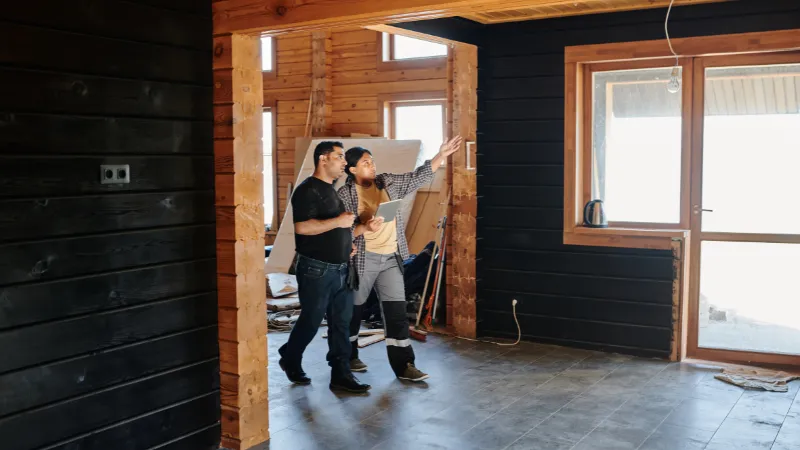
The condition of an apartment at move-in determines what gets charged at move-out. Students should document everything with photos and written notes, and they should expect the property manager to do the same.
A professional property manager will walk the unit with the tenant, point out existing damage, and provide a checklist. That shared record protects both sides. At move-out, the same process should happen in reverse, with the manager explaining any deductions from the security deposit.
Timelines matter here too. Ask when you can expect your deposit back and what documentation you will receive. Some states require deposits to be returned within thirty days. Knowing the standard helps students plan their next move.
Preparing for the Unexpected
Pipes freeze. Roommates argue. Noise complaints happen. Students should ask property managers how they handle conflict resolution and what resources are available when things go wrong.
Does the manager mediate roommate disputes, or is that left to the tenants? What happens if a neighbor complains about noise? Is there a formal warning system, or do penalties kick in immediately?
Understanding the rules and consequences before signing a lease helps students avoid costly mistakes. It also signals whether the property manager sees tenants as partners or simply as occupants.
Questions to Ask Before Signing
A few direct questions can reveal a lot about how a property manager operates. Ask how long most tenants stay. Find out how many properties the manager oversees and whether there is on-site staff. Request references from current or former student renters.
Ask about the process for renewing a lease and whether rent increases are common. Find out what happens if you need to break the lease early. Get clarity on who handles snow removal, trash collection, and common area upkeep.
The answers to these questions should be clear and consistent. If a property manager hesitates or provides vague responses, that is a red flag.
Building a Long-Term Relationship
A property manager who treats students fairly and responds quickly earns loyalty. Students who feel supported are more likely to renew, to refer friends, and to leave positive reviews. That benefits everyone.
From the first apartment tour to the final walkthrough at graduation, students need property managers who understand their unique circumstances and who treat them with respect. The right partnership makes a difficult transition easier and helps students focus on what they came to Boston to do in the first place.
Recommended Stories for You

Team SR Aug 27, 2026


Team SR Jun 25, 2026



Team SR Apr 7, 2026
Trending Stories

A Startup Founder’s Guide to Choosing the Right Digital Growth Channels

Technical Applications for Modernizing Oil and Gas

What Free Really Means When You Register an LLC: State Fees, Service Fees, and First-Year Tools

How to Choose a Nonprofit Board Seat That Fits Your Life, Not Just Your Calendar

Winning New Customers: How FinTech Startups Can Stand Out In A Competitive Market

From Spreadsheet to WhatsApp: Smarter Follow-Up for Growing Teams

The Business Behind The Job: What Customers Never See In A Construction Company
Why Hands-On Project Oversight Still Matters in Home Remodeling