

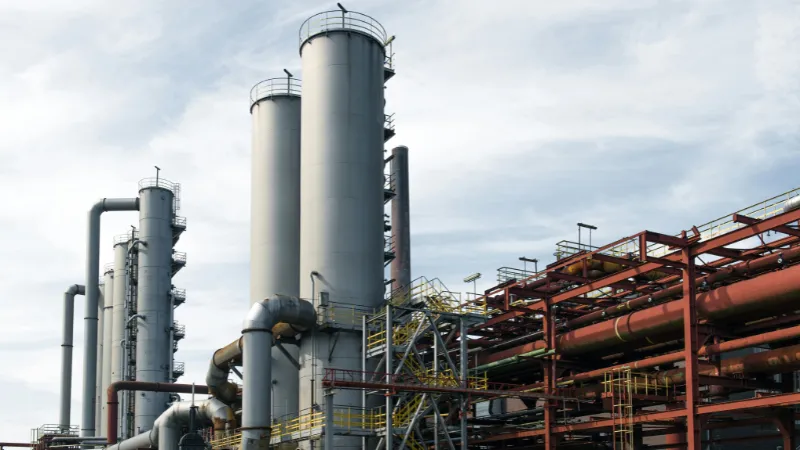
The physical reality of drilling, pumping, and refining resources is merging with the digital world. Operating heavy machinery in extreme weather conditions demands incredible precision. A single mistake on an offshore rig can cause massive financial loss and environmental damage. Digital tools offer the exact precision needed to run these complex operations safely. The energy industry is turning to advanced software and connected hardware to manage their mechanical assets. This technological shift changes how engineers and operators do their daily jobs. It brings a new level of control to highly dangerous environments. Engineers rely on precise measurements to avoid disasters. The traditional methods of manual reading and physical inspections are no longer sufficient for modern demands. The industry needs continuous monitoring and instant feedback loops.
 Follow us
 Follow us
Essential digital tools in modern energy
The core of this technical shift relies on a few specific categories of software and hardware. These tools work together to give engineers a complete picture of what is happening in the field at any given moment.
Connected sensors and remote monitoring
The internet of things involves placing smart sensors on physical equipment. Engineers install these sensors on pipes, pumps, and filters across remote extraction sites. These devices measure temperature, pressure, and flow rates constantly. They send this telemetry data back to a central control room. This setup is incredibly valuable for offshore drilling, where harsh conditions make physical inspections difficult and dangerous. Building the computer systems to handle this constant stream of data is a complex task. Many energy companies rely on nearshore software development teams to build these robust industrial platforms. These external teams have the specific skills needed to process sensor data reliably. Woodside, an Australian energy producer, uses these connected sensors extensively to monitor its natural gas production and prevent system failures.
Virtual environments for safety and training
Working on a drilling rig requires intense preparation. However, training new workers in an active offshore facility is very dangerous and expensive. Virtual reality solves this problem completely. Trainees put on digital headsets and enter a simulated workspace. They can practice operating heavy machinery without any physical danger. They learn how to handle emergencies safely. Aramco uses virtual reality to cut down the time and money spent on safety training. Augmented reality offers a different benefit. Maintenance workers wear special glasses that display technical manuals over the physical equipment they are fixing. These visual guides help technicians complete complex repairs step by step without holding a paper manual.
RECOMMENDED FOR YOU

Hospitality Startups: How Advanced Education Gives You a Competitive Edge
Team SR
Jul 23, 2026


Intelligent algorithms for physical maintenance
Artificial intelligence completely changes how maintenance teams operate. In the past, workers fixed machines after they broke down or on a strict calendar schedule. Now, intelligent algorithms analyze data from the equipment sensors. The software learns exactly how a healthy pump vibrates. If a pump starts vibrating differently, the algorithm alerts the maintenance team. They can replace a failing part before the whole pump breaks. This predictive approach stops unexpected shutdowns. Microsoft built a platform with British Petroleum to manage these exact types of autonomous predictions. The artificial intelligence also watches for safety violations on the work floor, keeping human workers protected.
Digital twins for exact asset replication
A digital twin is a highly detailed, three dimensional computer model of a physical asset. Engineers can create a digital twin of an entire refinery or a massive pipeline network. This virtual replica acts exactly like the real thing. Engineers use the twin to run simulations. If they want to increase the pressure in a pipe, they test it on the digital twin first. The simulation shows them if the pipe will leak or burst. This technology allows companies to find potential hazards and test solutions without risking their actual physical equipment.
Processing massive data volumes
All of these sensors, virtual models, and software programs generate massive amounts of information. Data analytics allows companies to make sense of all these numbers. By processing this information, companies can optimize their production methods. Exxon Mobil created a massive data lake project to collect operating details from all its chemical plants. The company analyzes this data to find inefficiencies in its manufacturing processes. By acting on these insights, Exxon Mobil successfully reduced its methane emissions by more than forty percent.
Steps for successful technology deployment
Deploying these technical systems requires careful planning. Engineering teams and IT departments should follow a clear path to ensure the software works properly with the physical machinery.
- Merging disparate databases to create a unified data architecture.
- Cultivating technical curiosity among the engineering staff and operators.
- Deploying sophisticated analytical models to process raw telemetry accurately.
- Collaborating with external technology vendors for custom system integration.
- Constructing exact digital replicas of critical physical infrastructure.
The importance of unified systems
From a technical standpoint, data silos are a massive problem. When one piece of software cannot talk to another piece of software, the entire system slows down. Engineers must design data architectures that connect the manufacturing execution systems with the enterprise resource planning software. When all systems share a single source of truth, automated processes run smoothly.
Building robust tech partnerships
Implementing advanced analytics is a highly complex engineering challenge. It requires developing custom algorithms and setting up large server infrastructures. Most internal IT departments at energy companies focus on keeping basic services running. They do not have the time or background to build advanced machine learning models. Forming partnerships with cloud computing providers and specialized software vendors gives the company the technical foundation it needs to succeed.
Conclusion
The application of modern technical tools in the oil and gas sector brings clear, measurable benefits. Connected sensors prevent catastrophic pipeline leaks. Virtual reality keeps workers safe during complex training sessions. Intelligent algorithms ensure machinery runs at peak performance. The success of these initiatives depends on solid engineering, unified data systems, and strategic partnerships with software experts. As the energy industry continues to face strict environmental rules and shifting market demands, these technical applications provide the exact tools needed to maintain safe and highly productive operations in the future. The integration of digital systems into physical spaces represents the next major phase of industrial engineering. Hardware and software must operate as a single unified unit. This technical evolution guarantees a safer and more productive future for the entire industry.
Recommended Stories for You
Team SR Mar 4, 2026

Team SR Jul 9, 2026

Team SR Oct 22, 2025

Team SR Sep 11, 2026

Team SR Sep 24, 2026
Trending Stories

Why UK Startups Need Better Access to Legal Documents as They Scale

Is Gamification as a Service the Next Major Battleground for Startups?

Top 10 Backlink Agencies Businesses Trust for Real Authority

How Local Taxi Services Help Keep Highland Tourism Moving

Are Working Students the Quietest Demographic Relying on the Essay Writing Service EssayService.com?

Building a Startup While Still in University: A Practical Guide

What to Know Before Adding Battery Storage to Your Home

How to choose between growing your team and improving your process