


Startup founders spend far too many hours updating sales spreadsheets, logging calls, and chasing cold leads. A new wave of AI-native CRM platforms promises to take those repetitive tasks off your plate completely. Let's see whether these automated systems live up to the hype or simply add unnecessary noise to your workflow.
 Follow us
 Follow us
What Autonomous Platforms Actually Do for Sales Teams
Traditional software requires manual updates after every phone call or email exchange. In contrast, AI-first platforms record interactions automatically, draft follow-up messages, and identify high-value contacts without human input. Early adopters report saving several hours each week on routine admin work, which frees up time for direct customer conversations.
These systems use automated agents to handle early-stage outreach and filter responses. When a prospect shows interest, the system schedules a meeting and updates the sales pipeline without anyone needing to touch a keyboard. For small teams trying to scale quickly, this hands-free tracking offers a clear operational boost.
Several of the best AI CRMs now offer these features as standard, though pricing and depth vary widely between platforms. It's worth checking what each one actually includes before committing, so you're not paying for tools your team won't use.
RECOMMENDED FOR YOU



Where AI Features Fall Short in Practice
Despite the impressive marketing claims, autonomous sales software isn't a magic solution. Many founders find that autonomous prospecting agents send generic messages that turn off potential buyers. When automated outreach lacks a human touch, conversion rates drop quickly and damage brand trust.
Another common issue involves data accuracy. Speech recognition and automated summarisation have improved, but they still misinterpret industry terminology and customer context. When reps rely blindly on AI-generated summaries, they risk walking into sales calls with incorrect information.
Integration with existing software can also prove tricky. Early-stage companies often rely on a patchwork of tools for marketing, billing, and customer support. If your new platform fails to sync smoothly with these existing systems, your team will waste time fixing errors instead of closing deals.
How Early Adopters Achieve Real Gains
The startups getting the best results don't hand full control over to automated tools. Instead, they use AI to handle routine data entry while keeping human team members in charge of customer relationships. Sales reps review automated drafts before sending messages, which maintains quality while speeding up the outreach process.
Focusing on data hygiene from day one makes a huge difference. AI models depend on clean input, so feeding accurate customer information into the system produces far better outcomes. Teams that clean up their databases before switching platforms experience far fewer errors and smoother daily operations.
It's also worth pointing out that training matters just as much as the technology itself. Founders who train their sales reps to double-check automated outputs get far more value from their software than those who expect instant results with zero supervision.
How to Choose the Right Tool for Your Business
Deciding to adopt an AI-first CRM comes down to your current sales bottlenecks and team capacity. If your sales reps spend half their week on admin tasks, automation provides immediate relief and helps your business grow without hiring extra staff right away. However, if your primary challenge is building deep, trust-based enterprise relationships, generic automated outreach won't solve your core problem.
Take time to test these platforms with small pilot projects before committing to long-term contracts. Focus on practical features like accurate call summaries and automatic logging rather than flashy autonomous agents. By setting realistic expectations and keeping your team involved in the process, you can turn modern sales software into a genuine competitive advantage.
Recommended Stories for You

Team SR Oct 9, 2025

Team SR Apr 22, 2026

Team SR Jul 24, 2026

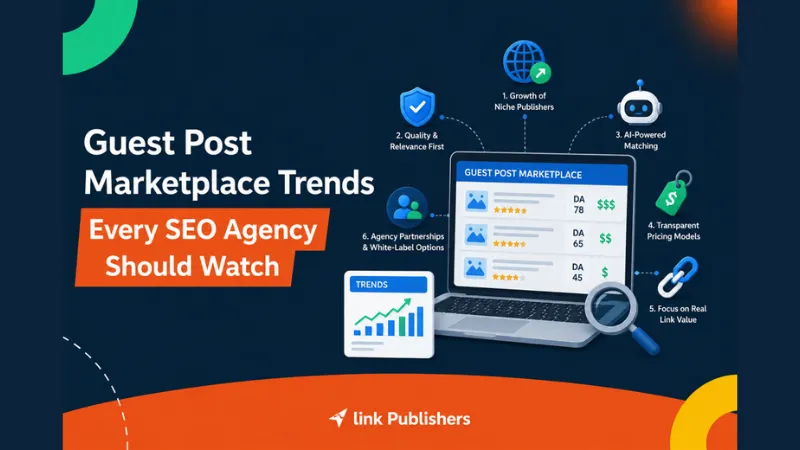
Team SR Jun 23, 2026

Team SR Jan 31, 2026
Trending Stories
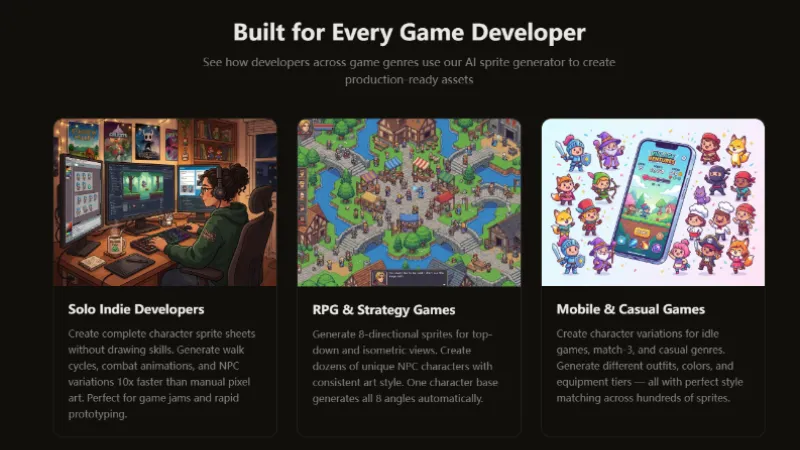
Credit Math For An AI Map Generator On Seed Budget

5 technical choices that make the difference between growth and stagnation

Is Gamification as a Service the Next Major Battleground for Startups?

Top 10 Backlink Agencies Businesses Trust for Real Authority
Are Working Students the Quietest Demographic Relying on the Essay Writing Service EssayService.com?

Why UK Startups Need Better Access to Legal Documents as They Scale

How Local Taxi Services Help Keep Highland Tourism Moving

Building a Startup While Still in University: A Practical Guide