

Silicone Sheets vs. Scar Creams: Which Actually Helps a Healing Scar
Nov 13, 2026 | By Sophie Carter
Why Scars Need Attention in the First Place
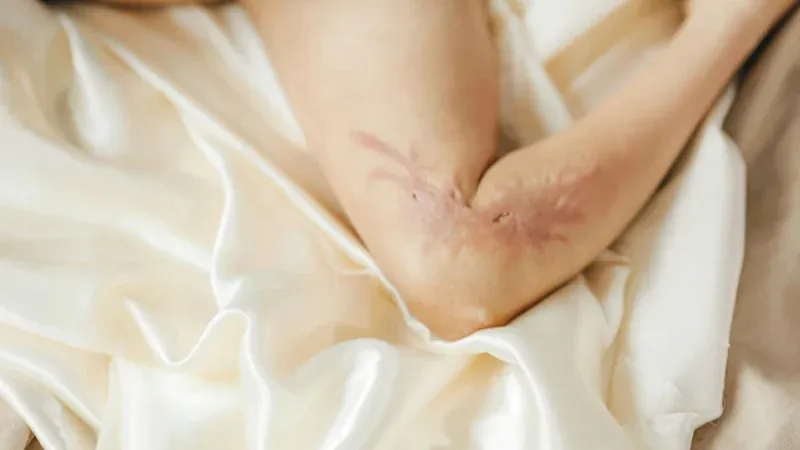
Any cut deep enough to reach the second layer of skin will leave a mark. The body closes the wound with new collagen but that collagen does not always lay down in a neat, flat pattern. Early scars are often raised, red, or itchy. Most settle down over twelve to eighteen months, but how you treat them during that window can change how noticeable the final scar will become. Two products come up again and again in that conversation: silicone sheets and scar creams. People tend to assume they do the same job. They do not. Knowing the difference can save you money and a fair amount of frustration.
 Follow us
 Follow us
How Silicone Sheets Work
Silicone sheeting is a thin, flexible pad that sticks directly over a healed incision or wound. It works by holding in moisture and slightly raising the skin's surface temperature, which seems to signal the scar to stop overproducing collagen. This is the treatment with the most research behind it. Multiple clinical studies going back decades show it can flatten raised scars and fade redness when worn consistently.
The catch is the word "consistently." Sheets need twelve to twenty three hours of wear a day for eight to twelve weeks to see real results. They also need to be washed and reused and they can be awkward on a joint, the face, or anywhere clothing rubs.
How Scar Creams Work
Scar creams and gels are a much broader category. Some contain silicone in a gel base which behaves similarly to a sheet but is easier to apply to curved or visible areas like the face or neck. Others rely on ingredients like onion extract, vitamin E, or various moisturizing agents. The evidence for these non-silicone ingredients is thinner. Vitamin E, in particular, has been shown in some studies to do little for scar appearance and can irritate skin in a small number of people.
RECOMMENDED FOR YOU


Silicone gels are the exception inside this category. They are not as occlusive as a sheet, so results are sometimes slightly less dramatic, but they are far more practical for daily use on a spot people see when they look in a mirror.
Comparing the Two Where It Matters
For a flat surface, like the back, stomach, or a limb, silicone sheets usually win on results. They stay in place well and cover a predictable area.
For the face, hands, or anywhere with a lot of movement, silicone gel is usually the better fit. It dries down to a thin film in a few minutes, does not need tape or adhesive borders, and can sit under makeup.
Understanding how scars heal is also an important part of plastic surgery, a field explored in the professional career of Dr. Theodore Gerstle. This knowledge helps explain why scar care often depends on the wound's location, depth, and healing progress.
The cost is comparable. Sheets cost more upfront but are reused for weeks. Gels are consumed with each application, so a tube runs out and needs replacing.
Timing matters for both. Neither should go on an open wound. Wait until the skin has fully closed, usually two to three weeks after a stitched incision, before starting either product. Starting too early can trap moisture in a way that slows healing instead of helping it.
Which One Fits Your Situation
A short way to decide:
- If the scar is on a flat, low-movement area and you do not mind the upkeep of a reusable sheet, start there.
- If the scar is on your face, neck, or hands, or you need something you can wear under clothing or makeup without anyone noticing, a silicone gel is the more realistic daily habit.
- If you are not sure which product is silicone-based, check the label for dimethicone or cyclomethicone. Those are the active silicone ingredients to look for regardless of which form you choose.
When Home Care Is Not Enough
Most scars respond to patience and one of these two products. A few do not. If a scar keeps growing past its original wound border, becomes hard and rope-like, or does not soften at all after several months of consistent treatment, that is worth a visit to a dermatologist or plastic surgeon rather than another trip to the pharmacy. Thicker scar types, like keloids, often need an in-office treatment such as a steroid injection or laser session that no over-the-counter product can replace.
For everything short of that, the choice between a sheet and a gel comes down to where the scar sits and how disciplined you can realistically be about wearing it every day. The product matters less than the habit of using it.
Recommended Stories for You

Team SR Apr 15, 2025


Sophie Carter Oct 7, 2026



Trending Stories

World of Warcraft: Mists of Pandaria Classic – Terrace of Endless Spring Raid Guide

How British Fintech Talent Built the Smoothest Payment System in Live Entertainment

How GoreAd Supports YouTube Visibility Without Asking for Account Access
How to Launch a Startup in Luxembourg: A Modern Entrepreneur’s Guide

The Small Business Owner’s Guide to Protecting Personal Finances

Soft2Bet Behavioral Analytics and Early Risk Detection

Best Crypto Exchanges in Turkey: The Definitive 2026 Guide

Real Estate Investment Opportunities UK Detailed 2026 Guide