


Many bright-eyed entrepreneurs are told that compliance requirements, government rules, consumer protections and other regulations make it difficult for businesses to succeed. There’s a pervasive assumption that the more rules a market has, the harder it becomes to build, scale and compete. Denmark’s digital economy is a useful example of why this isn’t always the case. Because regulation and innovation grew alongside one another and reinforced each other, its business environment is predictable, structured and trusted.
 Follow us
 Follow us
Consumers know what rights they have and what to expect from digital services, while businesses are met with clear rules that are consistently applied. In turn, they know what success depends on – delivering a strong product that people genuinely want to use – and can compete on that basis.
Denmark is an interesting case study of what happens when a digital market is designed to be accessible and easy to navigate. As it came about as a product of several overlapping choices, the questions worth asking are what Denmark has done differently and how founders can succeed in similar markets.
Why Trust Comes Easier in Denmark’s Digital Economy
The ‘Land of Fairy Tales’ might owe its nickname to Hans Christian Andersen, but founders may find a different kind of fairy tale here: a market where transparency is rewarded and consumer trust comes more easily. It’s certainly one of the reasons why Denmark has such a robust startup ecosystem. The idea of a digital market being ‘consumer-friendly’ can sound abstract, but it often boils down to the simple principle that users understand what they’re signing up for. When terms are clear, services minimise unnecessary friction and payment processes are straightforward, consumers spend less time deciphering what a business is all about.
RECOMMENDED FOR YOU


A question people search for: what does a boarding school scholarship actually cover?
Sophie Carter
Oct 3, 2026

While that’s not to say Denmark’s digital economy is the perfect expression of this, its established rules and consistent enforcement have been shown to reward predictability and openness. In low-trust digital markets, consumers need to be convinced. They might worry about whether websites will handle their money safely or wonder if a company is even legitimate. Trust then needs to be built after the user encounters the product, and brands need to work hard to convince them.
In markets like Denmark’s, there’s a higher baseline of trust. The system itself already reduces that uncertainty because there are consistent standards around data protection and pricing disclosure. Standardised expectations and institutional trust mean consumers can approach new services with much more confidence.
How Market Predictability Changes How Founders Compete
A predictable market doesn’t make growth automatic or eliminate competition, but it means businesses spend less effort getting past hesitation right before the user converts. These brands focus on communicating value rather than addressing basic concerns like pricing, safety or legitimacy. Early in the user journey, consumers require less reassurance and more guidance in evaluating quality and fit.
Structured markets reduce the wasted effort common in less structured ones. They strip the need to address the same doubts repeatedly and allow founders to focus on improving the product itself. Startups in heavily regulated or trust-sensitive categories often feel these advantages more intensely. The market naturally filters out weaker offerings, leaving products that are confusing and poorly executed to fade into the background.
Yet nothing comes without downsides. For some companies, high-trust markets make it difficult to keep winning customers through strong branding, emotional messaging and convincing ads. Surface-level messaging loses some of its power to persuade. While marketing still matters, its role narrows to building awareness and visibility. If the product is unreliable and poorly designed, marketing won’t offset that. For the broader market, however, it creates stronger pressure for products to deliver on their promises.
Digital Entertainment as a Reflection of Market Design
Digital entertainment provides a clear view into how Denmark’s market structure operates in practice. Gaming platforms, subscription products, iGaming and streaming services all depend on the same foundational conditions – a user experience that doesn’t require consumers to figure things out as they go. In these sectors, the differences between a weak and a strong product are stark.
Users won’t hesitate to abandon services that feel difficult or unclear, especially when recurring subscriptions and financial commitment are involved. Platforms have no choice but to be explicit about what they offer and consistent in how they deliver it. In a structured market where consumers are accustomed to consistency, platforms have more incentive to compete on quality and features.
That structure helps explain some of the broader trends in digital entertainment platforms. As consumers get more comfortable comparing platforms, success is often less about capturing attention and more about retaining trust once a user is hooked. This has created space for guides and comparison resources that help consumers filter through crowded industries. In travel, booking sites like Momondo.dk help users assess accommodation options; in iGaming, sites like Casino24.dk simplify platform comparisons. These resources thrive because they let consumers compare options more efficiently before committing.
Why Stronger Standards Can Strengthen Markets
Founders often treat regulation as a cost or an unfortunate reality of doing business, but it has been shown to function as a competitive advantage. When standards exist, they create base expectations for every company across the board. While this can raise the barrier to entry, it also tends to make markets more attractive for businesses willing to do things the right way.
In categories where trust is central to the customer experience, such as financial services or healthcare, providers depend on customers feeling confident in what they’re offered. When markets establish expectations, companies compete almost purely on execution. Competition becomes more demanding, but companies are often better positioned to build lasting advantages than those that rely on shortcuts.
Regulation can certainly be a barrier for some, but those prepared to meet higher standards tend to be rewarded over the long term.
The Gap Between Strong and Weak Digital Markets
Denmark isn’t the only country with high levels of digital adoption or strong consumer protections, and it doesn’t necessarily have a unique digital market. But it showcases what happens when trust and digital adoption develop in unison. In other markets, this may not be the case – perhaps there’s rapid startup growth but weak consumer protections, or strong regulations on paper but inconsistent enforcement.
Markets with stronger foundations will tend to reward credibility over time, while weaker ones can sometimes reward short-term attention. When trust is built into the market, sustainable growth is more likely to come from consistent value than from workarounds.
What Founders Can Take Away
There’s no real secret formula for growing a digital ecosystem. However, Denmark has given us a useful example of what happens when consumers and businesses operate within a clear and relatively predictable framework. Consumers become more confident in their decision-making, and businesses compete more directly on quality.
Founders may not be able to choose the regulatory environment they’re operating in, but they can reduce uncertainty in other ways. Denmark has demonstrated the advantage of clarity, and founders can replicate some of that within their own products. Consumers everywhere want as little uncertainty as possible when making product decisions. No matter where you build, it’s worth making trust easier to earn.
Recommended Stories for You




Team SR Feb 14, 2026

Team SR Jul 28, 2026

Team SR Jun 10, 2026
Trending Stories
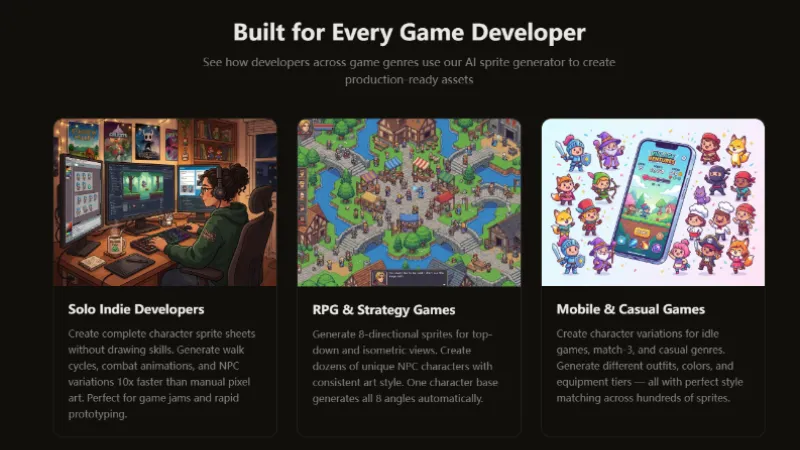
Credit Math For An AI Map Generator On Seed Budget

5 technical choices that make the difference between growth and stagnation

Is Gamification as a Service the Next Major Battleground for Startups?

Top 10 Backlink Agencies Businesses Trust for Real Authority
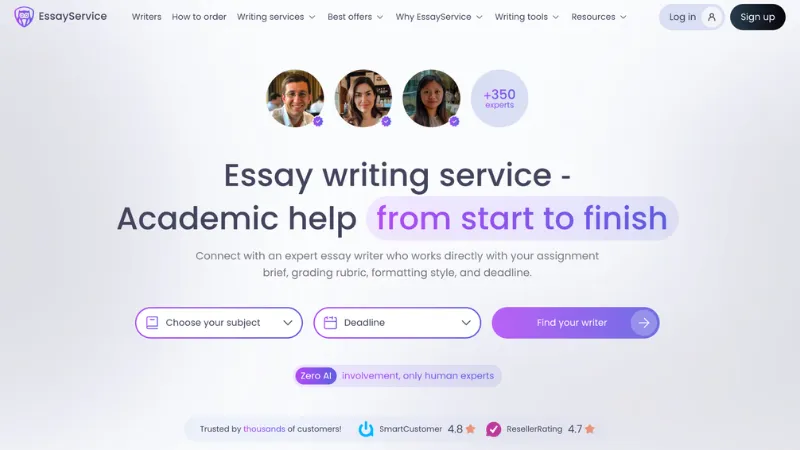
Are Working Students the Quietest Demographic Relying on the Essay Writing Service EssayService.com?

Why UK Startups Need Better Access to Legal Documents as They Scale

How Local Taxi Services Help Keep Highland Tourism Moving

Building a Startup While Still in University: A Practical Guide