

What International Buyers Now Expect From a Home in Thailand: Wellness, Technology and Flexible Living
Aug 12, 2026 | By Team SR
 Follow us
 Follow us
Thailand's premium residential market is being judged by a different standard in 2026. International buyers still care about location, architecture and long-term value, but a luxury home is increasingly expected to support everyday health, digital convenience and changing patterns of work and travel. CBRE's 2026 mid-year outlook notes resilient overseas demand for lifestyle properties, second homes and long-term investment opportunities. The strongest projects are selling an experience of living, not simply square metres.
Wellness Has Moved From Amenity to Design Principle
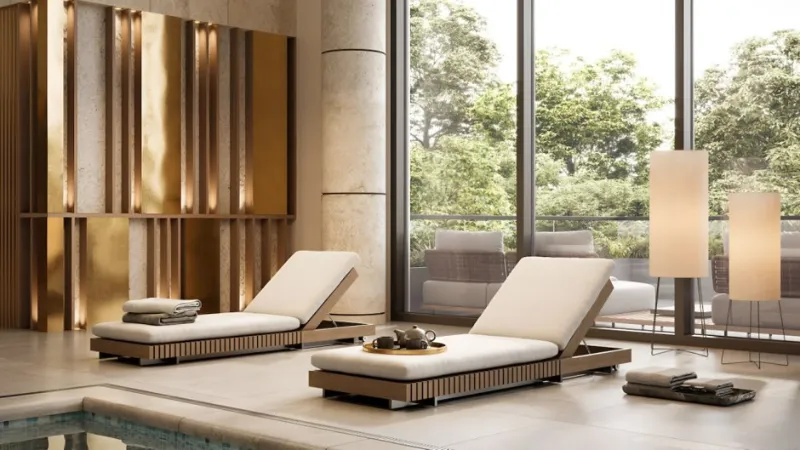
A gym and swimming pool are no longer enough to make a project feel wellness-focused. Buyers are paying closer attention to natural light, ventilation, air quality, green space, quiet zones and access to healthcare. Low-density planning can also provide more privacy, less noise and a stronger connection to nature.
Wellness can include walking routes, yoga and recovery areas, shaded outdoor spaces, pet-friendly planning and digital links to healthcare services. For families and retirees, multi-generational layouts matter too: a home should work for children, working adults and older relatives rather than one narrow lifestyle.
Smart Technology Must Be Useful, Not Decorative
RECOMMENDED FOR YOU


Buyers are also becoming more selective about technology. The priority is not the longest list of gadgets, but systems that make a home safer and easier to operate. Smart locks, app-based access, security monitoring, automated lighting, climate control and energy management are increasingly practical expectations in premium homes.
The same applies to sustainability. Air filtration, efficient cooling, solar-ready systems, EV charging and water-saving features can improve comfort and reduce operating friction. For part-time residents, remote control and monitoring are especially valuable because the property must remain manageable from abroad.
For overseas owners who want that flexibility without handling every detail themselves, Private Office Property offers Rental management in Thailand, with a process that reviews rental readiness, tenant fit, pricing expectations and the practical needs of the property before it is prepared for the market. For a premium residence, management quality can matter almost as much as design when the owner is not permanently based in the country.
Flexible Living Includes What Happens When the Owner Is Away
A second home may be a family base during winter, a remote-work retreat for several months and a rental property when the owner is elsewhere. That makes workspaces, reliable connectivity, durable finishes and professional operations part of the purchase decision.
Privacy, Service and Low-Density Living Add a New Layer of Luxury
Modern luxury in Thailand is also becoming quieter. Buyers are looking beyond visual impact toward privacy, controlled access, thoughtful landscaping and services that remove everyday friction. This helps explain the appeal of branded residences and hospitality-led projects, where professional operations and consistent maintenance can matter as much as the name on the building.
Outside Bangkok, this combination is visible in Phuket, Hua Hin and Koh Samui, where villas and resort-style residences can offer larger spaces, private outdoor areas and lifestyle amenities. The trade-off is that coastal homes require careful attention to maintenance, security, seasonality and local service quality. A beautiful property that is difficult to operate remotely is less flexible than it first appears.
The Future-Ready Home Is Defined by How Well It Works
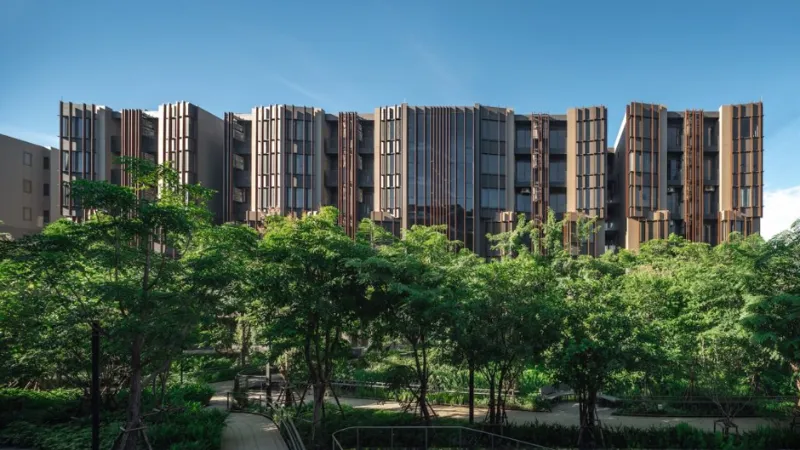
For international buyers in 2026, the strongest Thai homes are not simply the newest or most expensive. They combine physical wellbeing, practical technology, adaptable layouts and dependable management. Buyers should look beyond brochures and ask how a property performs in daily life: Is it healthy and comfortable? Can it be monitored remotely? Does it work for different generations? Can it be maintained or rented efficiently when plans change?
These questions are turning wellness, technology and flexible living from optional extras into core measures of residential quality. In Thailand's increasingly sophisticated premium market, the homes that answer them well are better aligned with how international owners actually live.
Recommended Stories for You

Team SR Jun 22, 2026

Team SR Jun 1, 2026

Team SR Jun 16, 2026

Team SR Jun 16, 2026

Team SR Jun 1, 2026

Team SR Oct 16, 2025
Trending Stories
Credit Math For An AI Map Generator On Seed Budget

5 technical choices that make the difference between growth and stagnation

Is Gamification as a Service the Next Major Battleground for Startups?

Top 10 Backlink Agencies Businesses Trust for Real Authority
Are Working Students the Quietest Demographic Relying on the Essay Writing Service EssayService.com?

Why UK Startups Need Better Access to Legal Documents as They Scale

How Local Taxi Services Help Keep Highland Tourism Moving

Building a Startup While Still in University: A Practical Guide