

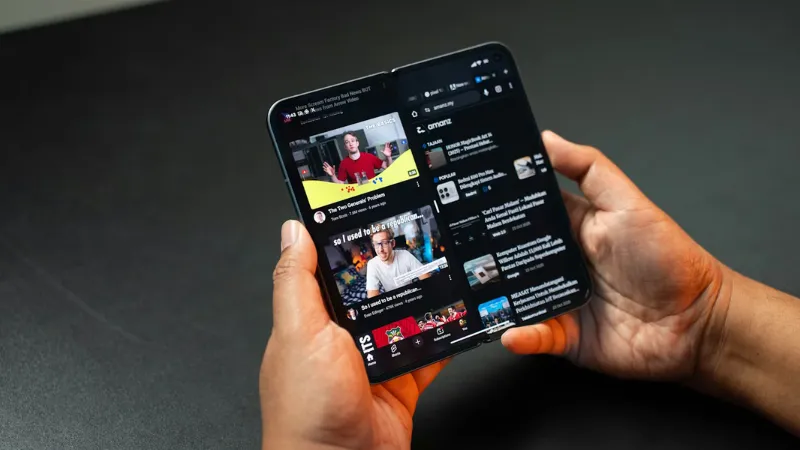
Not that long ago, video production felt like a separate universe. You needed a dedicated budget, a full crew, weeks of preparation, and a polished final product that had to be perfect. It was a campaign-level task. It was something you did once a quarter or maybe twice a year. That mindset is officially outdated, especially with the rise of new video trends reshaping the industry.
 Follow us
 Follow us
Today, video creation is part of the everyday content machine. It sits next to blog posts, newsletters, social updates, and paid ads. Businesses are no longer asking if they should create a video. The real question is how many videos they can create from the raw footage. Video has become a continuous workflow, fueled by growing video marketing adoption across industries. If your team still treats video like a fragile masterpiece instead of a flexible content format, you are already behind. Let’s dig deeper into the biggest video marketing trends.
Dozens of Short Clips from a Single Video
Instead of producing one long, polished video and moving on, businesses are extracting maximum value from every recording session. It can be an interview, a webinar, a podcast, or a product demo. That is your raw material. From that single source, you can create:
- Short vertical videos for social platforms
- Teaser social media videos
- Quote snippets
- Behind-the-scenes moments
- Educational micro-content
- Ad creatives to advertise a startup
The goal is content multiplication. You are not filming a video. You are capturing a content bank. A library of moments can be cut, reshaped, and reused across platforms through smart video adaptation.
RECOMMENDED FOR YOU


What iGaming Startups Can Teach the Wider Tech Industry About Scaling
Sophie Carter
Oct 7, 2026

This approach aligns perfectly with current video trends on social media, where frequency and consistency often outperform single high-budget productions. Efficiency is the new creativity, and it directly supports long-term business growth.
The “Edit-First” Approach
Businesses are planning videos based on how they will be edited. Traditionally, production came first. You would shoot everything. Then, editors would try to save the material in post-production. Now, teams think backwards. They ask:
- Where will this be published?
- What format does the platform prioritize?
- What length performs best according to current video marketing stats?
- Do we need subtitles? Hooks in the first 3 seconds?
Editing has become a part of the strategy. This “edit-first” mindset makes filming smarter. You frame shots vertically if needed. You leave space for captions. You record multiple hooks. You create intentional pauses for text overlays. Modern teams rely on fast tools to speed up workflows and reduce friction. The result? Faster production and better alignment with the future of video advertising.
Vertical Video Is the Default
Vertical video won. For social platforms, vertical is the golden standard. If you are still filming everything horizontally by default, you are limiting distribution potential. Vertical videos feel native on mobile, occupy more screen space, and perform better within today’s video trends on social media. They are designed for how people actually consume content.
Businesses now film in vertical from the start or set up dual-frame shoots. The psychological shift is clear. Teams are no longer apologizing for vertical. They are designing for it. Mobile-first production is no longer optional. It is one of the defining small business trends shaping digital marketing this year.
Speed Over Perfection
There was a time when brands obsessed over flawless lighting, studio-quality sound, and cinematic color grading for every single video. Now, speed wins. That does not mean quality is irrelevant. It means good and fast beats perfect and late. Current video marketing trends show that audiences care more about relevance and authenticity than ultra-polished aesthetics.
Fast editing cycles are becoming normal. Record today. Edit tomorrow. Publish the same week. Quick turnarounds allow businesses to react to trends, test ideas, and optimize based on performance data. Agility is becoming a competitive advantage, especially when paired with a smart video marketing strategy.
Hook-Driven Content
Attention spans are extremely short. Businesses now structure videos around powerful hooks. The first 2-5 seconds matter more than ever. Instead of slow intros, logos, and long context-setting, modern business videos start with:
- A bold statement
- A surprising fact
- A clear benefit
- A relatable problem
This structure supports the evolving future of video advertising, where scroll-stopping intros determine performance. Hooks are often recorded in multiple variations so editors can test and optimize quickly using AI editing tools. Testing has become part of a creative strategy.
Subtitles and Silent Viewing as Standard
Many viewers watch videos without sound. That means subtitles are no longer optional. Captions increase watch time, improve accessibility, and reinforce key messages. Businesses design content specifically for silent consumption, using bold text overlays and visual cues.
Some teams even experiment with creative tools like https://www.movavi.com/tools/reverse-video/ for short-form content, adding dynamic visual effects that capture attention in crowded feeds. Smart subtitling and formatting are part of strategic video adaptation for modern platforms.
Repurposing Across Platforms
Cross-platform distribution is not copy-paste. It is customization. A 10-minute YouTube video can become:
- 5 short vertical videos
- A LinkedIn insight clip
- A blog post
- A newsletter highlight
- A paid ad
Each platform has its own rhythm. Businesses that tailor the same message differently get more mileage from every production session. This approach strengthens video marketing adoption and ensures content works across multiple touchpoints. Repurposing is no longer optional. It is a core part of modern video marketing strategy.
Real People Over Corporate Scripts
Highly scripted, overly corporate videos are fading. Audiences connect more with founders speaking directly to the camera and team members sharing insights. Authenticity drives engagement. That is why this shift is closely tied to broader small business trends, where transparency and personality outperform polished corporate messaging. Let personality show. Accept small imperfections. They build trust. The latter fuels business growth.
AI-Assisted Editing and Workflow Automation
AI is reshaping workflows in a big way. Companies now use AI editing tools for:
- Automatic subtitles
- Rough cut generation
- Highlight detection
- Script-to-video creation
- Thumbnail suggestions
This does not replace creativity. It accelerates it. Teams also spend less time on manual editing and more time on strategy, quickly assembling and iterating on content versions. Basic tools like this help streamline the process by making it easier to combine clips and build different content variations without slowing down production cycles.
Video as Part of the Entire Funnel
Video is no longer just top-of-funnel awareness. Businesses use it for product education, onboarding, sales enablement, FAQs, and internal training. Instead of one brand film, companies build ecosystems of social media videos, tutorials, explainers, and testimonials. This integrated approach reflects the current state of the future of video advertising.
Video creation is not a side project. It is not a once-in-a-while campaign. It is a daily, integrated part of communication. The companies winning today understand the power of video marketing trends, adopt new formats quickly, and treat every shoot as a content engine. They move fast. They repurpose smartly. They optimize constantly. When you align your strategy with these new video trends, video stops being expensive. It becomes a driver of measurable business growth.
Recommended Stories for You

Team SR Jul 15, 2026

Team SR Aug 13, 2026

Oliver Bennett Jun 10, 2026

Team SR May 18, 2026

Team SR Aug 21, 2026

Team SR Aug 19, 2026
Trending Stories
Credit Math For An AI Map Generator On Seed Budget

5 technical choices that make the difference between growth and stagnation

Is Gamification as a Service the Next Major Battleground for Startups?

Top 10 Backlink Agencies Businesses Trust for Real Authority
Are Working Students the Quietest Demographic Relying on the Essay Writing Service EssayService.com?

Why UK Startups Need Better Access to Legal Documents as They Scale

How Local Taxi Services Help Keep Highland Tourism Moving

Building a Startup While Still in University: A Practical Guide