

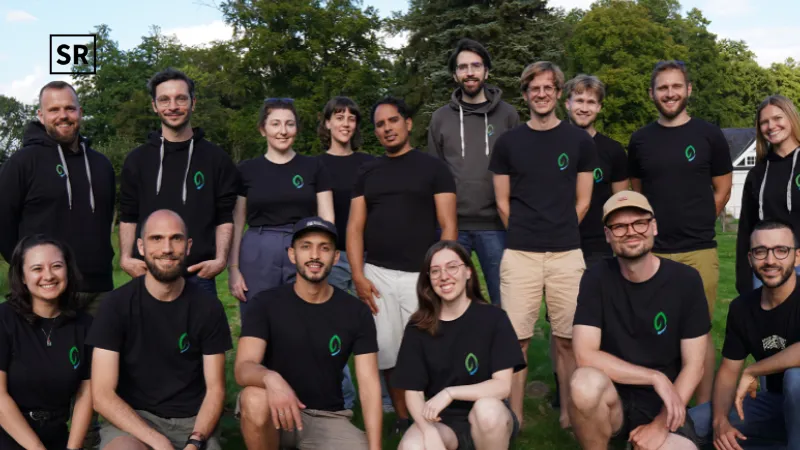
Seqana, a Berlin-based startup that uses satellite images and artificial intelligence to measure and track soil health, has raised €3.2 million in new funding.
 Follow us
 Follow us
The investment round was led by Pymwymic, with participation from existing investors HTGF and Counteract. The funding includes both equity investment and debt financing, as well as a startup loan from Landwirtschaftliche Rentenbank.
Read Also- FinTech startup Festina Finance Raises over €25 Mn in Funding
This new funding follows earlier investments from Counteract and HTGF, along with grant support from the European Space Agency, helping Seqana continue developing its technology for monitoring soil conditions and supporting sustainable agriculture.
RECOMMENDED FOR YOU
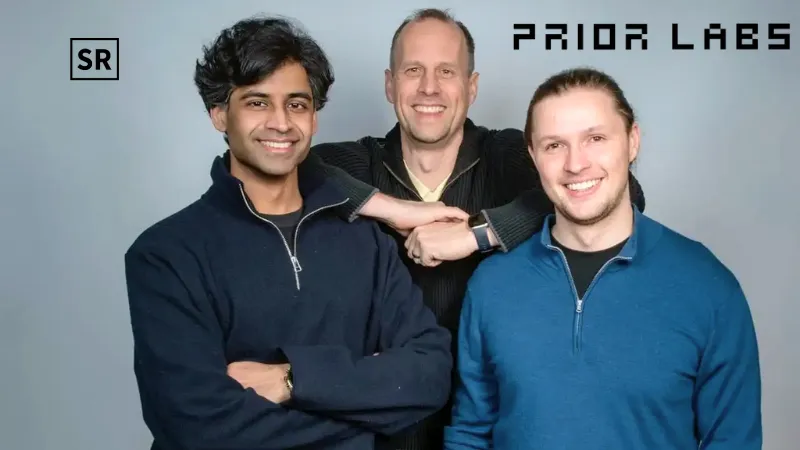
Prior Labs funding news – Freiburg-based Prior Labs Secures €9 Million in Pre-Seed Funding
Kailee Rainse
Feb 5, 2025

Ochy funding news – France-based Ochy Raises €1.7Million in Pre-Seed Round Funding
Kailee Rainse
Feb 19, 2025

“Carbon is core to what we do, and it stays that way. It’s how the market first learned to put a value on soil, and the discipline our measurement is built on. What this round adds is the ability to manage the rest of what healthy soil delivers: yield stability, product quality and ultimately supply chain continuity. Together, that gives companies a far fuller picture of the ground their supply depends on,” said Stefan Goenner, co-founder and CEO of Seqana.
“Seqana is turning soil organic carbon from an invisible asset into a measurable one. We are proud to back a technology with the potential to transform how agricultural resilience is understood and rewarded,” said Monique Meulemans, Partner at Pymwymic.
Founded in 2020, Seqana develops digital tools that help measure and monitor soil health on a large scale. Using satellite data and advanced technology, the company can track important soil health indicators accurately and efficiently.
Its goal is to make soil carbon monitoring, reporting, and verification (MRV) more affordable and scalable while maintaining high scientific standards and accuracy.
The company believes that soil health is becoming increasingly important for agriculture, food, and commodity businesses as they work to meet climate targets and reduce risks in their supply chains. Soil carbon, a key measure of soil health, is also one of the most effective and scalable natural ways to capture and store carbon from the atmosphere.
Recommended Stories for You


Oliver Bennett Jun 18, 2026

Kailee Rainse May 28, 2025


Trending Stories
Agurotech funding news – Amsterdam-based Agurotech Secures €2.25 Million in Funding

Le Fourgon funding news – Le Fourgon Secures €8.2 Million Extension to its Series A Round Funding
Rabot Energy Secures $50 Mn to Connect Home Batteries Into a Virtual Power Plant
Ghent-Based Ringtime Raises €1.8M Seed Round Led By Volta Ventures To Boost Blue-Collar Hiring

[Funding alert] Krakow-based LiveKid Secures €3.14 Million in Funding

PENEMUE Raises Over €1.7M To Detect And Combat Online Hate And Disinformation Using AI
Stacks funding news – Amsterdam-based Stacks Secures €2.8 Million in Pre-Seed Funding

Damisa funding news – UK-based Damisa Secures £2.25Million in Pre-Seed Funding