

Scaling a Beverage Start-up: When It Makes Sense to Invest in Your Own Bottling Machines
Nov 18, 2026 | By Sophie Carter
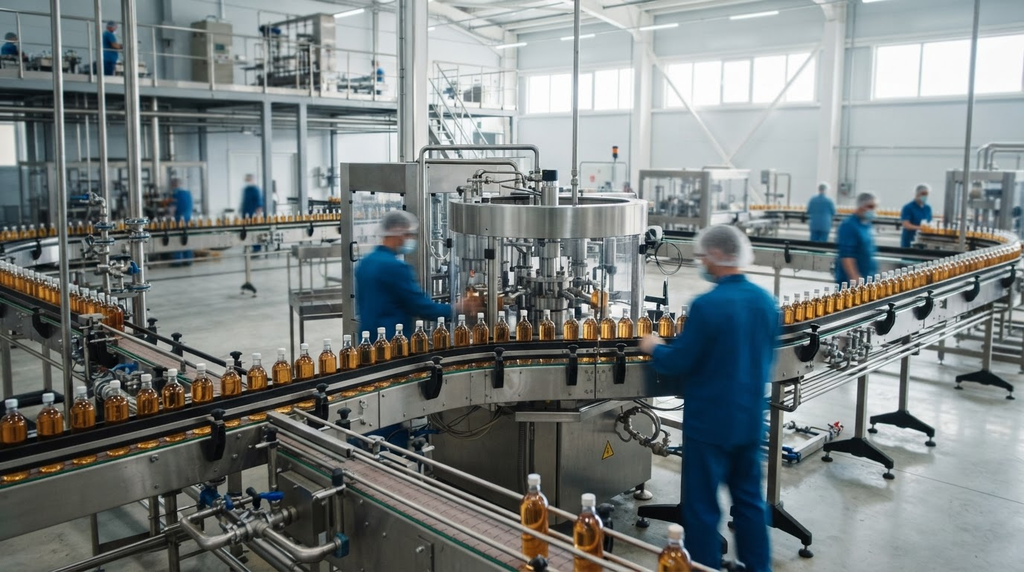
Starting a beverage brand usually begins with co-packers. Renting production lines allows new entrepreneurs to test recipes, build market demand, and establish a consumer base without committing massive capital to heavy machinery. However, growth brings a unique set of operational challenges. As sales volume increases, relying entirely on external facilities can introduce bottlenecks that limit profitability and supply chain reliability.
 Follow us
 Follow us
Recognizing the Operational Tipping Point
The decision to transition from outsourced production to in-house manufacturing is primarily driven by unit economics and volume stability. When production runs become frequent enough to keep dedicated equipment running for significant portions of the work week, outsourcing often becomes more expensive than owning the hardware. Additionally, managing minimum order quantities required by contract bottlers can tie up valuable working capital in excess inventory that takes months to sell.
Evaluating Control and Supply Chain Agility
Beyond direct financial savings, having direct oversight of the production environment offers distinct advantages in quality assurance and formulation security. Beverage innovators often experiment with new ingredients, seasonal variations, or carbonation levels. Working with external partners can slow down experimentation due to scheduling conflicts, cleaning cycles, and rigid facility protocols. Owning your infrastructure allows for rapid prototyping and immediate adjustments to market feedback, ensuring your supply chain remains responsive and resilient.
Integrating internal production requires careful planning, technical knowledge, and reliable hardware. For many growing brands, acquiring scalable bottling machines represents the first major step toward long-term manufacturing independence. Modern packaging technology offers modular configurations that can grow alongside your brand, accommodating different bottle sizes, fill levels, and capping requirements without demanding a complete line replacement.
RECOMMENDED FOR YOU

How to Launch a Mobile Catering Business in the UK: A First-Year Survival Guide
Team SR
Aug 27, 2026

Key Factors to Consider Before Buying
Before purchasing dedicated hardware, leadership teams must conduct a thorough operational assessment. Key considerations include:
- Facility requirements, including floor space, drainage, electrical loads, and sanitary utility access.
- Staffing needs, focusing on technical expertise required for routine maintenance, quality control, and sanitation.
- Maintenance schedules and the availability of spare parts to minimize unplanned downtime.
- Projected volume growth over the next several years to ensure the chosen equipment capacity matches demand.
Transitioning to self-manufacturing is a major milestone that transforms a beverage brand into a true production enterprise. By carefully timing this investment, founders can protect their margins, accelerate product development, and build a sustainable foundation for future expansion.
Recommended Stories for You
Sophie Carter Sep 30, 2026

Team SR Jul 7, 2026
Team SR Aug 29, 2026
The Best Booking Software for Small Business Owners Who Want to Stop Managing Schedules Manually
Sophie Carter Oct 9, 2026

Team SR Sep 12, 2026

Team SR Feb 14, 2026
Trending Stories

You Have a Consumer Problem. What Should You Do First? A Step-by-Step Legal Guide

World of Warcraft: Mists of Pandaria Classic – Terrace of Endless Spring Raid Guide
How British Fintech Talent Built the Smoothest Payment System in Live Entertainment

How GoreAd Supports YouTube Visibility Without Asking for Account Access
How to Launch a Startup in Luxembourg: A Modern Entrepreneur’s Guide

The Small Business Owner’s Guide to Protecting Personal Finances

Soft2Bet Behavioral Analytics and Early Risk Detection
Best Crypto Exchanges in Turkey: The Definitive 2026 Guide