

Rocker Cover Gasket Leak: Choosing the Correct Replacement Part for Your Engine
May 15, 2026 | By Kailee Rainse
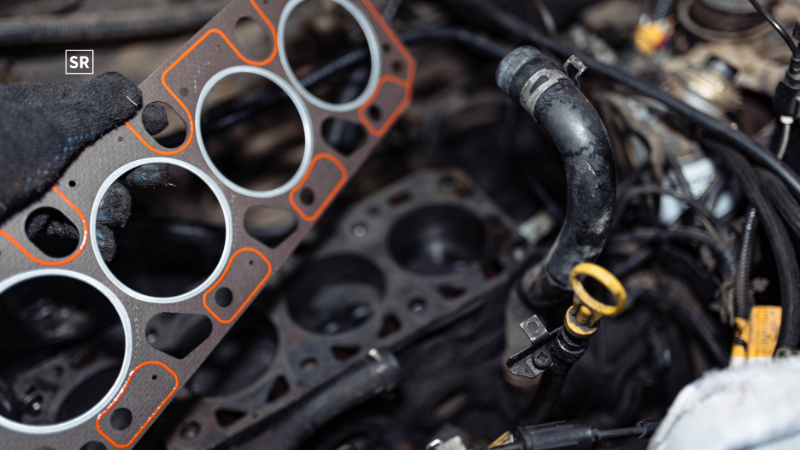
A rocker cover gasket leak may seem like a small engine problem at first. Many drivers notice a slight oil stain around the top of the engine and assume it is nothing serious. Some may only smell burning oil after a long drive, while others do not realize there is a problem until the engine bay becomes heavily coated with oil and dirt.
 Follow us
 Follow us
The reality is that even a small oil leak can slowly create larger engine problems over time. Engine oil rarely stays in one area once a seal begins to fail. It can run down the sides of the engine, drip onto hot metal parts, collect inside spark plug wells or spread across wiring and rubber hoses. This is why a rocker cover gasket leak should never be treated as only a cosmetic or cleanliness issue.
This guide explains the details that many simple repair articles often overlook. It covers how to confirm whether the leak is truly coming from the rocker cover gasket which engine parts can suffer damage if the issue is ignored, when replacing only the gasket is enough and when the complete rocker cover may also need replacement. It also explains why choosing the correct parts matters, especially for modern vehicles and BMW engines where small differences can affect fitment and long-term reliability.
Why A Small Rocker Cover Gasket Leak Can Become A Serious Problem
The rocker cover gasket sits near the top section of the engine, which means leaking oil can easily spread to many surrounding areas once the seal begins to fail. In the early stages, the problem may appear as nothing more than a thin wet line around the edge of the cover. As time passes, however, oil can travel down the engine block and reach parts that should never be exposed to engine oil.
RECOMMENDED FOR YOU



Heat from the engine often makes the issue worse. When leaking oil touches hot engine surfaces, it can create a strong burning smell that becomes noticeable inside or outside the vehicle. In more severe cases, drivers may even see light smoke rising from the engine bay after driving or while waiting in traffic.
Another problem is that oil leaks can hide other faults. Once the engine becomes dirty and oily, it becomes difficult to identify where fresh leaks are actually starting. A small leak that could have been repaired easily may eventually turn into a complicated diagnostic issue because oil has spread everywhere.
Ignoring the problem can also increase repair costs significantly. What starts as a simple gasket replacement can eventually damage ignition coils, spark plugs, rubber hoses, sensors, electrical connectors and surrounding engine components. A repair that could have been inexpensive early on may later become much more costly.
How To Confirm The Leak Is Really From The Rocker Cover Gasket
Not every oil leak near the top of the engine is caused by the rocker cover gasket. This is one of the most important things to understand before replacing parts. Misdiagnosing the leak wastes money and often fails to solve the problem.
Oil can escape from several nearby areas, including:
- Oil filler caps
- Breather hoses
- Oil filter housings
- Camshaft seals
- Vacuum pump seals
- Timing cover seals
- PCV system components
In many engines, oil can travel from one area to another making it look like the rocker cover gasket is leaking even when the real source is somewhere else.
A proper inspection should always begin with cleaning the engine area thoroughly. Old oil and dirt should be removed completely before the engine is run again. Once the engine is clean, fresh oil traces become easier to identify.
Professional mechanics may also use inspection mirrors, bright workshop lights or UV leak detection dye to locate the exact source of the leak. These methods help avoid replacing parts unnecessarily.
Common signs that the rocker cover gasket is the actual source include:
- Fresh oil around the outer edge of the rocker cover
- Oil collecting near the top section of the engine
- Oil running downward from the gasket line
- A burning oil smell after driving
- Oil inside spark plug wells
- Fresh oil returning shortly after cleaning
If the oil appears higher than the rocker cover itself, the leak may be coming from another engine component instead.
Hidden Damage That Oil Leaks Can Cause
Many drivers only focus on oil loss when they notice a gasket leak. While losing engine oil is serious, it is not the only risk associated with a failing rocker cover gasket.
One of the most common issues occurs when oil enters the spark plug wells or reaches the ignition coils. Oil contamination in these areas can cause engine misfires, rough idling, hesitation, reduced power, and poor acceleration. If left untreated, repeated misfires may eventually damage other engine components.
Oil exposure can also weaken rubber materials. Engine hoses, seals, and belts are not designed to stay covered in hot oil for long periods. Over time, oil can soften rubber surfaces, causing swelling, cracking or premature wear.
Electrical systems may also suffer damage. Oil can spread into electrical connectors and wiring plugs, leading to poor connections, sensor faults, warning lights or unpredictable engine behaviour. Modern vehicles rely heavily on sensitive electronics, so even a small electrical issue can become expensive.
Another major concern is oil reaching the exhaust manifold or heat shield. Since these components become extremely hot during operation, leaking oil can burn quickly and produce smoke or unpleasant smells that may enter the cabin through the ventilation system.
Heavy oil leaks may also cause issues during vehicle inspections or MOT checks, especially if oil contamination becomes severe around the engine bay.
When Replacing Only The Gasket Is Enough
In many situations, replacing only the rocker cover gasket is enough to solve the problem permanently. This is usually the case when the rocker cover itself remains in good condition and the leak is simply caused by an old, hardened gasket.
A proper gasket replacement should never be rushed. The old gasket must be removed carefully, the sealing surfaces cleaned thoroughly and the new gasket fitted correctly without twisting or stretching.
Bolt tightening is equally important. Uneven tightening or excessive torque can damage the new gasket or distort the rocker cover itself.
Replacing only the gasket is often sufficient when:
- The rocker cover is not cracked
- The cover surface is still flat
- Bolt holes are undamaged
- The leak is caused only by gasket wear
- There are no excessive crankcase pressure issues
- The sealing surfaces are clean and smooth
- The correct replacement gasket is used
When these conditions are met, the repair is far more likely to last for years without recurring leaks.
When The Entire Rocker Cover Should Be Replaced
Sometimes replacing only the gasket does not fully solve the problem. This often happens when the rocker cover itself has become warped, cracked, or damaged due to long-term heat exposure.
Modern rocker covers are commonly made from plastic or lightweight composite materials. While these materials help reduce engine weight, they can lose shape over time after repeated heating and cooling cycles.
If the rocker cover becomes warped, the gasket may no longer seal evenly. Even a brand-new gasket may begin leaking again because the cover surface is no longer flat.
Some rocker covers also include built-in breather systems or PCV components. If these internal systems fail, excessive pressure can build inside the engine, forcing oil past the gasket.
The full rocker cover may need replacement if:
- The cover has visible cracks
- The cover is warped or distorted
- The gasket has already been replaced but still leaks
- Integrated breather components have failed
- Bolt mounting areas are damaged
- The cover no longer sits evenly
- Excessive pressure exists inside the rocker cover area
Although replacing only the gasket may seem cheaper initially, it can become more expensive later if the cover itself is faulty.
Why The Quality Of The Replacement Part Matters
A rocker cover gasket operates in one of the harshest environments inside the engine bay. It must withstand constant exposure to heat, oil pressure, vibration, and temperature changes.
Low-quality gaskets may fit poorly, harden too quickly or fail prematurely under engine heat. Some aftermarket parts may appear similar to the original part but may not provide the same sealing performance.
Before buying a replacement gasket, always check:
- The exact vehicle model
- Engine code
- Production year
- Manufacturer compatibility
- OEM or trusted aftermarket quality
This is especially important for BMW engines because small engine variations can affect gasket shape and fitment.
Using the correct part from a trusted supplier can prevent repeat repairs, unnecessary labour costs, and future leaks.
A Quick Note From Apex Auto Parts
Apex Auto Parts supplies engine and replacement components for drivers, garages, and workshops across the UK. If you would like to learn more about common gasket problems, leak symptoms, and repair advice, you can explore our detailed guides covering rocker cover gasket failures and related engine issues.
Why BMW Rocker Cover Gasket Leaks Need Extra Attention
BMW engines are well known for developing oil leaks around the upper engine area as they age. A BMW rocker cover gasket leak should never be ignored because the engine bay layout often places sensitive parts close to the leak source.
In many BMW models, oil can quickly spread toward ignition coils, spark plug wells, sensors, and hot exhaust components. What begins as a small leak may soon lead to smoke, strong burning smells, rough idling or recurring misfires.
BMW owners should also pay close attention to part compatibility. Two vehicles with nearly identical model names may still use different engine versions with different gasket designs.
If a BMW continues leaking oil even after the gasket has been replaced, the rocker cover itself should be inspected carefully. In many cases, the plastic cover becomes warped over time and prevents proper sealing.
DIY Repair vs Professional Garage Repair
Some vehicle owners consider replacing a rocker cover gasket themselves. On older or simpler engines, this may be manageable for someone with basic tools and repair experience.
However, many modern engines are far more complex. Accessing the rocker cover may require removing engine covers, intake components, ignition coils, hoses, wiring, or fuel system parts.
One of the biggest DIY risks is improper sealing. If the gasket shifts during installation, if the surfaces are not cleaned correctly, or if bolts are tightened incorrectly, the leak may return almost immediately.
Over-tightening bolts can also crack plastic rocker covers or crush the gasket unevenly.
Professional garage repairs are often safer when:
- The engine bay is very tight
- The vehicle uses a complex engine design
- The car is a BMW or luxury vehicle
- The leak is affecting ignition components
- Previous repairs have already failed
An experienced mechanic can also inspect the rocker cover for hidden warping or breather system faults before reinstalling parts.
What To Check After A Rocker Cover Gasket Replacement
Replacing the rocker cover gasket is only part of the repair process. Once the new gasket has been installed, the engine should be checked carefully to make sure the leak has truly been fixed. A proper repair should remain clean and dry after the engine has reached operating temperature and completed several heating and cooling cycles. One of the first things to inspect is the area around the rocker cover itself. After the repair, there should be no signs of fresh oil forming around the gasket edge. In some cases, small traces of old oil may still be visible if the engine bay was not fully cleaned during the repair. However, fresh wet oil appearing shortly after installation is usually a warning sign that the gasket may not be sealing correctly. The second thing to monitor is any remaining burning oil smell. It is normal for a slight smell to remain briefly if old oil residue is still burning off hot engine components such as the exhaust manifold or heat shields.
This smell should gradually disappear after a few drives. If the burning smell continues for several days, there may still be an active leak or oil may still be reaching hot engine parts. Engine performance should also improve after the repair if oil contamination had affected the ignition system. Vehicles that previously suffered from rough idling, hesitation, or misfires due to oil entering spark plug wells should begin running more smoothly once the area has been cleaned properly. If the engine continues to misfire or run unevenly, additional inspection may be needed because damaged ignition coils or spark plugs may still need replacement. Checking the engine oil level is equally important. Drivers should monitor the dipstick or electronic oil level reading for several days after the repair. If the oil level continues to drop, there may still be another leak somewhere else in the engine. A follow-up inspection after approximately one week is often recommended. This gives enough time for fresh leaks to become visible if the repair was not fully successful.
Important things to check after replacing a rocker cover gasket include:
- Fresh oil around the gasket edge
- Continued burning oil smells
- Engine misfires or rough idling
- Oil inside spark plug wells
- Falling engine oil levels
- Smoke from the engine bay
- Oil around ignition coils or wiring
- Loose bolts or uneven gasket seating
Taking time to inspect the engine properly after the repair can help prevent future problems and confirm that the leak has been fully resolved.
How To Lower The Risk Of Future Leaks
No rocker cover gasket lasts forever, but proper engine care can significantly reduce the chances of early gasket failure. Heat, pressure, and poor maintenance are some of the main reasons why oil leaks develop over time. One of the most important maintenance habits is regular oil servicing. Clean engine oil flows properly through the engine and helps reduce internal stress on seals and moving parts. Old or dirty oil can create sludge buildup, which increases engine pressure and places extra strain on gaskets and seals. The cooling system also plays a major role in gasket life. Engines that regularly run hotter than normal place additional stress on the rocker cover gasket and the rocker cover itself.
Overheating can cause gaskets to harden prematurely and may even warp plastic rocker covers. Cooling system problems such as low coolant levels, weak thermostats, blocked radiators, or failing cooling fans should always be repaired quickly before they begin affecting other engine components. Engine breathing systems should also be inspected regularly. Modern engines rely on breather valves and PCV systems to control internal crankcase pressure. If these systems become blocked or fail, excessive pressure can build inside the engine and force oil past even a new gasket. Simple maintenance habits can greatly reduce the risk of future rocker cover gasket leaks.
Helpful ways to reduce future leaks include:
- Change engine oil at the correct service intervals
- Always use the recommended oil grade
- Repair cooling system problems early
- Inspect breather hoses and PCV valves regularly
- Never ignore burning oil smells
- Clean old oil leaks before diagnosing new ones
- Use high-quality gaskets designed for the engine
- Replace damaged rocker covers instead of only replacing the gasket
- Avoid over-tightening rocker cover bolts
- Check for excessive engine pressure during servicing
Good maintenance not only protects the gasket but also helps keep the entire engine cleaner, safer, and more reliable over the long term.
Conclusion
A rocker cover gasket leak may appear minor at first, but it should never be ignored for too long. Even a small oil leak can gradually spread across the engine and affect ignition components, electrical wiring, hoses, belts, sensors, and hot exhaust surfaces. Once oil reaches these areas, repair costs can increase quickly. The most important step is identifying the real source of the leak before replacing parts unnecessarily. If the gasket itself has simply worn out and the rocker cover remains in good condition, a properly fitted gasket replacement is often enough to solve the issue. However, if the rocker cover is cracked, warped, or suffering from breather system faults, replacing only the gasket may not fully stop the leak.
BMW owners should be especially careful because many BMW engines operate in tight engine bays with high heat levels and sensitive ignition systems. Even a small leak can create burning smells, repeated misfires, or oil contamination around electrical components. Matching parts using the exact engine code is essential to avoid fitment problems. Keeping the engine clean and dry makes future inspections easier and helps identify problems earlier before they become serious. Addressing a rocker cover gasket leak quickly is one of the simplest ways to prevent larger engine repairs, protect nearby components, and maintain long-term engine reliability.
Recommended Stories for You



Team SR Aug 7, 2025

Oliver Bennett Jul 6, 2026

Kailee Rainse Aug 12, 2025

Kailee Rainse Oct 10, 2025
Trending Stories

Best PayPal Alternatives for Freelancers in the UK 2026

How to Become a Freelancer in 2026: A Step-by-Step Guide

ImmuPharma Share Price Prediction (2025–2030): Expert Analysis & Predictions

EnergyPathways Share Price Prediction (2025-2030): Expert Analysis & Predictions

Invinity Energy Share Price Prediction (2025–2030): Expert Analysis & Predictions

Ilika Plc Share Price Prediction (2025–2030): Expert Analysis & Predictions

Tax Code 1257L Explained: Meaning, Tax-Free Allowance, W1, M1 & X

10 Best t-shirt brands for custom printing in 2026