


Brands spend enormous amounts of time refining their messaging, perfecting their websites, and creating digital experiences designed to attract attention. Yet many businesses overlook one important question: If your brand existed as a physical space, what would it communicate to the people who encountered it?
 Follow us
 Follow us
Whether customers walk into a retail store, attend an event, visit an exhibition stand, or simply pass by a branded installation, physical environments tell stories long before anyone reads a slogan or speaks to a representative. Every visual choice sends a message about quality, personality, values, and professionalism.
The strongest brands understand that physical presence is not separate from brand identity. It is one of the most powerful ways to reinforce it.
First Impressions Are Often Visual
People make rapid judgements based on what they see. A cluttered, poorly maintained environment can suggest a lack of attention to detail, while a carefully designed space can immediately communicate confidence and credibility.
RECOMMENDED FOR YOU



This principle applies to businesses of every size. From independent retailers to multinational organisations, the visual presentation of a physical space influences how customers perceive the brand behind it.
The colours used, the quality of printed materials, the consistency of branding, and the overall atmosphere all contribute to a narrative that customers absorb almost instantly.
Before a conversation begins, the environment has already started speaking.
Consistency Builds Trust
One of the most recognisable characteristics of successful brands is consistency. Customers expect the same personality whether they interact with a company online, through advertising, or in person. When physical environments align with the wider brand identity, they create familiarity and reinforce trust.
A modern technology company might favour clean lines, minimal distractions, and contemporary displays. A luxury retailer may prioritise premium materials, sophisticated lighting, and carefully curated visual elements. A family-focused organisation may create a welcoming and approachable atmosphere.
The key is not copying competitors but ensuring that every physical touchpoint reflects the same values and personality customers encounter elsewhere.
Physical Spaces Create Emotional Responses
People rarely remember every detail of a brand interaction, but they often remember how it made them feel. Physical environments play a major role in shaping those emotions. Large-scale graphics can create excitement. Open, welcoming layouts can encourage comfort and engagement. Creative installations can inspire curiosity and conversation.
This emotional connection is particularly valuable because it transforms a transactional experience into a memorable one. Customers are far more likely to engage with brands that create positive and distinctive impressions.
The physical environment becomes part of the customer experience rather than simply a backdrop to it.
Every Surface Communicates Something
Many businesses think about branding in terms of logos and signage, but every visible surface contributes to the overall message. Walls, displays, exhibition stands, retail environments, promotional structures, and event spaces all represent opportunities to reinforce brand identity. High-quality printed textiles and display materials can help organisations create immersive environments that feel cohesive and professional.
Soyang soft signage materials allow businesses to apply branding across a wide range of applications, from exhibition displays and retail environments to event graphics and promotional installations. The growing demand for textile-based display solutions highlights how brands are increasingly using physical environments to create stronger visual experiences.
When every element works together, the result feels intentional rather than fragmented.
Memorable Brands Think Beyond Function
A physical space should certainly be practical, but the most successful brands understand that functionality alone is rarely enough. Consider the environments that leave lasting impressions. They often incorporate visual storytelling, thoughtful design choices, and creative applications of branding that transform ordinary spaces into experiences.
Exhibitions, trade shows, retail stores, and promotional events provide opportunities to showcase not only products and services but also the personality of the organisation behind them.
By viewing physical spaces as communication tools rather than merely operational necessities, brands can create stronger emotional and commercial outcomes.
Adaptability Matters More Than Ever
Modern brands frequently operate across multiple environments. They may appear at industry exhibitions one week, retail activations the next, and corporate events shortly after. This flexibility requires branding solutions that can be adapted across different settings while maintaining consistency. Textile-based display systems and soft signage have become increasingly popular because they offer versatility, portability, and strong visual impact across a variety of applications.
The ability to create a recognisable presence in different locations helps organisations strengthen brand recognition wherever audiences encounter them.
What Is Your Space Saying?
Every physical environment communicates something, whether intentionally or not. A brand that invests in thoughtful design, consistent presentation, and engaging visual experiences sends a message of professionalism, confidence, and attention to detail. A brand that neglects its physical presence risks creating confusion or missing opportunities to connect with customers.
The most effective organisations recognise that branding extends far beyond digital channels. If your brand had a physical presence that could speak, would it tell the same story your marketing does?
For businesses willing to think carefully about that question, the answer can become a powerful competitive advantage.
Recommended Stories for You

Team SR Dec 18, 2025

Team SR Apr 24, 2026

Team SR Oct 9, 2025
Team SR Jul 24, 2026

Team SR Sep 1, 2026
Trending Stories
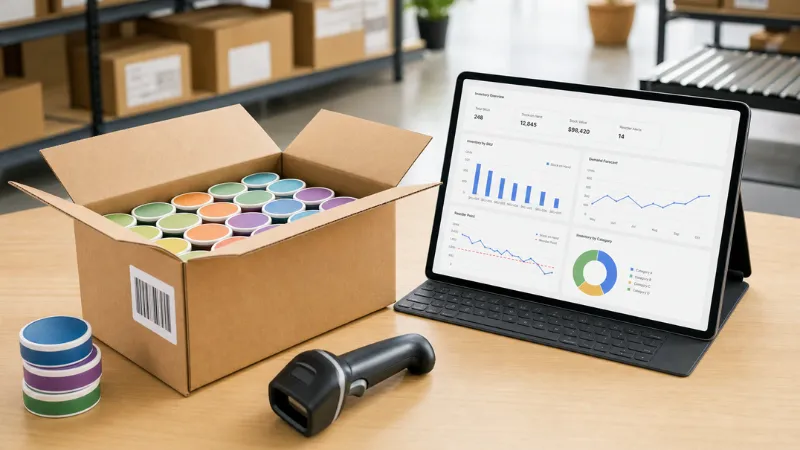
Using Data Analytics to Improve Inventory Management for Nicotine Alternatives

What Automotive Repair Businesses Should Look for in Paint Products
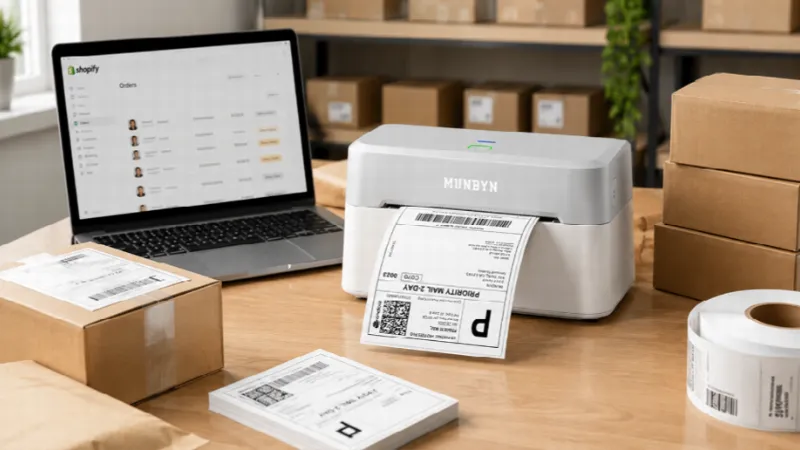
Why Every Growing Entrepreneur Needs a Label Printer for Small Business

Self-Employed and Turned Down for Credit? Why Irregular Income Trips Up High-Street Lenders, and the Alternatives
How Can Direct Mail Help Agents Promote a New Listing?

The Key Cybersecurity Challenges for Startups in the Context of Rapid Business Scaling

A complete beginner’s guide to understanding patents

3 SASE Platform Providers Helping Startups Secure Remote Workforces