

How to Start a Candle Business in the USA in 2026: Complete Guide
Sep 15, 2026 | By Oliver Bennett
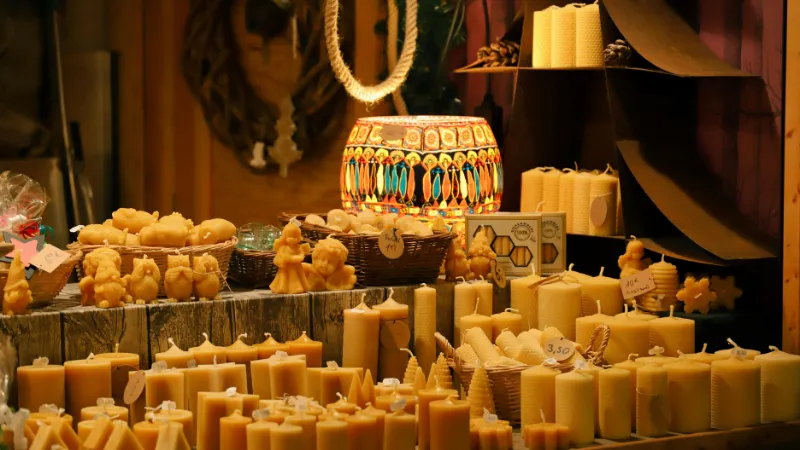
Starting a candle business can be a simple way to turn a creative idea into a real product.
 Follow us
 Follow us
Candles are used for home décor, gifts, relaxation, and everyday living. That gives a small brand several ways to find customers.
You do not need a large factory to get started either. A small home setup can be enough for your first batches. You can sell through your own website, local markets, craft fairs, or wholesale accounts.
The candle market is competitive, though. Good packaging alone is not enough. You also need to think about pricing, product safety, shipping, labeling, and customer demand.
RECOMMENDED FOR YOU



This guide explains how to start a candle business in the USA in 2026.
Why Start a Candle Business?
One reason new entrepreneurs choose candles is the relatively low cost of starting small.
You can make limited batches at home. This can keep your early overhead under control. Candles can also be sold through several channels, which gives you more ways to reach buyers.
There is also plenty of room for creativity.
You can experiment with scents, wax types, jars, colors, shapes, and packaging. That makes it easier to build a niche brand instead of selling a product that looks like everything else.
The global candle market is also expected to grow over the coming years, with demand connected to home fragrance, gifting, décor, and wellness.
Is a Candle Business Profitable?
A candle business can make money, but your pricing needs to cover more than just wax and fragrance.
You also have to account for packaging, shipping, payment fees, marketing, and your own production time.
The source gives an example of retail prices for an eight-ounce scented candle ranging from about $15 to $30, with premium products priced higher.
Wholesale pricing is usually lower because retailers need room to make their own profit.
That means you need to know your numbers before you choose a retail price.
For example, the source gives an eight-ounce candle priced at $24 with a $7.50 cost of goods sold. That leaves $16.50 in gross profit before other expenses.
The lesson is simple. Know your costs before you start selling.
Choose the Type of Candle You Want to Sell
You do not have to make every kind of candle.
A clear product category can make your brand easier to market.
Soy Candles
Soy candles use wax made from soybeans. They may appeal to customers who prefer plant-based products.
You can make your soy collection stand out through scent combinations, jar design, packaging, or the way you source your materials.
Scented and Aromatherapy Candles
Scented candles are one of the most familiar options.
You can create collections around moods, seasons, places, or everyday routines. Aromatherapy candles are another option and often use essential oils to create a particular scent experience.
Decorative Candles
Decorative candles focus more on design.
Shapes, colors, and sculptural details can make them feel more like décor pieces than traditional candles.
1. Do Market Research
Before buying a lot of supplies, study your market.
Think about the customers you want to reach. Look at competing candle brands. Pay attention to their prices, scents, packaging, and overall presentation.
The source breaks the candle market into three broad segments: prestige, mid-market, and mass-market.
A luxury brand may focus on premium packaging and distinctive scents.
A mid-market brand may target a wider group of shoppers.
Mass-market candles compete mainly on price and broad appeal.
Choose a segment that fits your product and your budget.
You should also test your idea before investing in a large production run. Small batches can help you see which scents, prices, and packaging customers actually like.
2. Build Your Brand Identity
Your brand tells customers what to expect before they even smell the candle.
Start with your story.
Why did you decide to make candles? Who are you making them for? What should people feel when they use your products?
Your answers can shape everything from your packaging to your website.
It also helps to define a few clear brand values. These might include handmade quality, sustainability, accessible luxury, or something else that genuinely fits your business.
Your visual identity matters too.
Think about your logo, photography, packaging, website, and social media. They should feel connected.
3. Choose a Candle Business Name
Keep your name easy to remember.
A short name is often easier for customers to say, search, and share.
Before you commit, check whether the name is available as a .com domain. Check social media usernames too.
It is also smart to search the trademark database before making the name part of your packaging and marketing.
Doing this early can save you from an expensive rebrand later.
4. Write a Simple Business Plan
Your business plan does not need to be a huge document.
It should answer the main questions.
What will you sell? Who will buy it? Who are your competitors? How will you make the candles? Where will you sell them?
You should also include your expected costs, pricing approach, sales goals, and possible challenges.
The source notes that many store owners use a lean business plan and update it as the business grows.
That approach can work well for a small candle brand.
5. Work Out Your Startup Costs
Starting small can help keep your first investment manageable.
The source gives estimated costs of around $350 to $500 for materials and $100 to $200 for equipment. Packaging and shipping materials may cost up to about $2 per unit, while general liability insurance is estimated at around $55 per month.
An ecommerce platform is another expense to consider.
The reference estimates that a small home-based operation could get started with roughly $600 to $800 in initial investment, depending on what you buy and how much you produce.
Your actual number may be higher or lower.
It depends on your materials, equipment, packaging, branding, and first production run.
6. Register Your Candle Business
Once your business idea is ready, take care of the legal side.
You need to choose a business structure. A sole proprietorship is simple, while an LLC can create more separation between personal and business assets.
You may also need an Employer Identification Number (EIN), depending on how your business is structured and operated.
Check your state and local requirements for taxes, business licences, and permits.
It is also a good idea to open a separate business bank account. Keeping business money apart from personal spending makes bookkeeping much easier.
7. Set the Right Price
One of the most important choices you will make is pricing.
First, figure out how much it will cost overall.
Include wax, fragrance, wicks, jars, labels, boxes, shipping materials, and other supplies.
Then think about your time.
If you spend hours making, testing, packing, and shipping candles, your price needs to leave room for that work.
Do not forget business expenses either. Insurance, marketing, software, utilities, and payment processing fees can all affect your real profit.
Your selling price should give you enough room to make money after these costs are paid.
8. Make Candles to Sell
You can start by making candles in a small home workspace.
For a basic soy candle, the source lists materials such as soy wax, cotton wicks, fragrance or essential oils, a double boiler, a thermometer, jars, and candle molds.
Start with small batches.
Test different fragrances and blends before choosing your final collection. Fragrance is especially important because scent is one of the main reasons customers buy candles.
Follow the instructions for your wax and fragrance suppliers. Pay attention to recommended fragrance loads, dye use, and pour temperatures.
9. Take Candle Safety Seriously
This is one area where you should not cut corners.
Candles involve heat and an open flame. Safety testing and proper labeling should be part of your product development process.
The source cites ASTM guidelines and federal regulations pertaining to candle safety and warnings. Fire safety information on candle units for sale is covered by ASTM F2058. Flame height, tip-over limits, secondary ignition, and end-of-useful-life performance are all covered by ASTM F2417.
Test the finished candle in the exact form you plan to sell.
That means testing the final wax, fragrance, wick, dye, vessel, and label together.
You should also keep records of your burn testing, materials, warning labels, insurance, and compliance documentation.
Product liability insurance is also worth considering for a candle business.
10. Build Your Online Store
Your online store is where customers can learn about your brand and buy your products.
You can use an ecommerce platform to manage your website, product listings, payments, inventory, and orders.
Make it simple to navigate the store.
Make use of crisp product images. Describe the burn details, ingredients, size, and aroma.
The images ought to properly depict the candle's appearance in an actual setting.
Planning is also necessary for shipping.
In warmer weather, candles may melt or soften. Glass jars may shatter while being delivered. The goods must be shielded from impact and heat by your packaging.
11. Create a Marketing Plan
A good candle can still sit on a shelf if nobody knows it exists.
Instagram, TikTok, and Pinterest can all work well for candle brands. You can post product photos, candle-making videos, packaging clips, scent comparisons, and behind-the-scenes content.
Customer reviews are useful too.
Ask happy customers to share photos or feedback. That gives new buyers something real to look at before making a purchase.
Email marketing can help you stay connected with past customers.
Offline events are worth trying as well. Craft fairs, local markets, and pop-ups give customers a chance to smell your candles before buying them. They also give you direct feedback.
Wholesale can become another sales channel once your product and pricing are ready.
Starting a Candle Business From Home
A home-based candle business can help keep costs down.

But your workspace still needs to be organised.
Keep production materials, curing candles, finished inventory, and shipping supplies in clearly defined areas. This makes production easier to track as your order volume increases.
You also need to check local zoning rules.
Home-based businesses can still be subject to restrictions. Customer visits, signs, storage, deliveries, and regular carrier pickups may affect what you are allowed to do at home.
Check your local rules before your business gets too large for your current space.
How to Grow Your Candle Business
You do not need to launch with dozens of scents.
Start with a small collection.
Once you know which products sell, expand carefully.
You could add seasonal scents, travel-size candles, bundles, or subscription boxes.
Holiday sales can also be important.
The source notes that a significant share of candle purchases happens around Christmas, with many shoppers viewing candles as gifts.
Plan seasonal products ahead of time.
New labels, photography, and promotions should be ready before the holiday rush begins.
Conclusion
Starting a candle business in 2026 does not require a huge investment.
You can begin from home. You can produce small batches. You can sell online and test your products before expanding.
But the creative side is only part of the business.
You need a clear niche, sensible pricing, safe products, attractive packaging, and a plan for reaching customers.
Start small. Test your scents. Listen to buyers. Keep track of your costs.
Then grow the parts of the business that are actually working.
A candle may be a small product, but building a successful candle brand takes planning, consistency, and attention to detail.
FAQs
Is a candle business profitable in 2026?
How much does it cost to start a candle business?
Can I start a candle business from home?
What type of candles can I sell?
Do I need a business license to sell candles?
How should I price my candles?
Is candle making a good business to start from home?
Where can I sell homemade candles?
How can I grow my candle business?
Recommended Stories for You

Team SR Jan 20, 2025

Team SR Dec 6, 2025
Oliver Bennett Oct 7, 2026

Team SR Jun 24, 2025

Kailee Rainse Dec 28, 2024

Team SR Jul 7, 2024
Trending Stories

Startup Leveraging AR/ VR Technology

Government Grants For Women Owned Businesses 2024
Best Insurance For Startups 2024

Best Startups In Europe 2024

Best Platforms for Startup Promotion

Top Student Startup in Europe

Best Venture Capital Firms London 2024
The Top Disruptar brand, Revolutionizing the European