

How Fintech Is Transforming Online Trading: Faster Payouts, Smarter Tools and Better Risk Management
Aug 19, 2026 | By Team SR
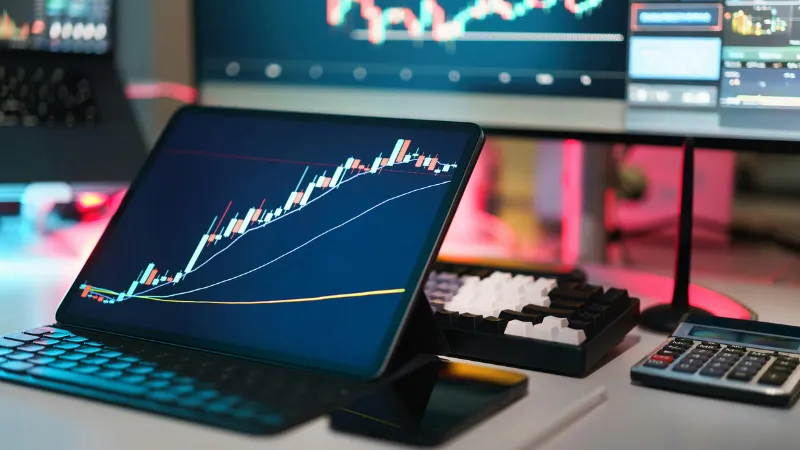
Online trading has changed considerably over the past decade. The basic idea remains the same: traders analyse markets, open positions and manage their exposure. What has changed is almost everything around that process.
 Follow us
 Follow us
Fintech has made trading platforms faster, more accessible and increasingly automated. Tasks that once required manual calculations or lengthy processing can now be completed in seconds. Traders can analyse potential risk before entering a position, manage accounts from mobile devices and, in some cases, access withdrawn funds much faster than was previously possible.
These developments are changing what traders expect from brokers and trading platforms.
Faster Payouts Are Becoming Part of the User Experience
Trading technology has traditionally focused on what happens inside the market: execution speed, charting tools, pricing and order management.
RECOMMENDED FOR YOU


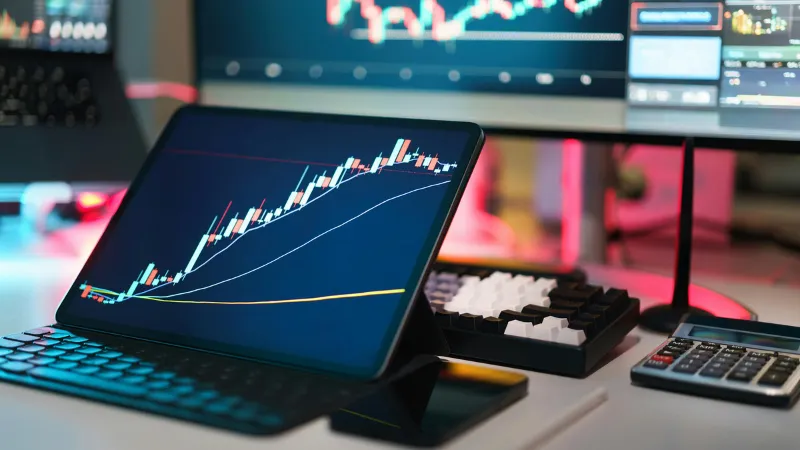
Payment technology is now becoming just as important.
For traders, the experience does not end when a position is closed. Deposits, withdrawals and access to funds are also part of the relationship with a trading provider.
Older financial systems often relied heavily on manual processing. Withdrawal requests could pass through several stages before funds were sent to the client. Fintech infrastructure allows more of these processes to be automated, particularly when digital payment methods are involved.
Automation does not remove compliance requirements. Brokers still need procedures for identity verification, security and anti-money-laundering controls. However, technology can reduce unnecessary delays once the required checks have been completed.
As a result, withdrawal speed is increasingly becoming a competitive factor. Industry awards such as NordFX Best Fastest Payout Broker also reflect how payment efficiency is becoming part of the broader discussion around broker service quality.
For traders, this creates a simple expectation: if markets operate digitally and trades can be executed almost instantly, account transactions should also become more efficient.
Trading Decisions Are Becoming More Data-Driven
Fintech is also changing how traders prepare before opening a position.
A common mistake among inexperienced traders is to focus almost entirely on whether they believe a market will rise or fall. But direction is only one part of a trading decision.
Position size, leverage, margin requirements, potential profit or loss and the distance to a stop-loss level can all affect the amount of capital at risk.
Historically, traders often calculated these figures manually or used spreadsheets. Today, many calculations can be completed instantly through dedicated tools.
A trading calculator, for example, can help a trader estimate important trade parameters before placing an order. This does not predict whether a trade will be profitable. Instead, it helps answer a different and often more useful question: what could this position mean for the account?
This distinction is important.
Good trading technology cannot eliminate market risk, but it can make that risk easier to understand.
Risk Management Is Moving Closer to the Trade
Risk management was once treated as something traders reviewed after developing a strategy. Increasingly, fintech tools are integrating it directly into the trading process.
Modern platforms can display margin levels, floating profit and loss, available equity and other account information in real time. Traders can also use alerts, stop-loss orders and position-sizing tools to define risk before entering the market.
This creates a more structured workflow.
Instead of simply deciding to buy gold, Bitcoin or a currency pair, a trader can first consider how large the position should be, how much margin it requires and how much could be lost if the market moves against the trade.
The technology is simple, but the behavioural change can be significant.
When risk information is immediately available, traders have fewer reasons to make decisions based entirely on intuition.
Mobile Technology Has Removed the Trading Desk
Another major change has been the shift from desktop-only platforms to mobile trading.
A trader no longer needs to sit in front of several monitors to follow financial markets. Smartphones now provide access to charts, economic news, open positions and account information from almost anywhere with an internet connection.
That convenience has helped make online trading more accessible, but it has also created new challenges.
Constant access can encourage overtrading. A price notification can quickly become an impulsive trade if a trader has not already defined a strategy.
This means the most useful mobile trading technology is not simply technology that makes it easier to open positions. It should also make it easier to monitor exposure, review account information and manage existing trades.
Fintech has made trading more convenient. The responsibility for deciding when not to trade still belongs to the user.
Automation Is Taking Over Repetitive Tasks
Automation is another area where financial technology is reshaping trading.
Platforms can now handle many routine processes without constant manual input. Traders can set price alerts, predefined orders, stop-loss levels and take-profit targets. More advanced users can employ algorithmic strategies that follow predefined rules.
Automation can also extend beyond trade execution.
Account verification, transaction processing, reporting and risk monitoring can all use automated systems behind the scenes.
The main benefit is efficiency. Computers are particularly useful for repetitive processes where consistent rules need to be applied quickly.
However, automation should not be confused with guaranteed performance. A poorly designed automated strategy can lose money just as easily as a poorly planned manual trade. Technology improves execution of a process; it does not automatically make the underlying decision correct.
Better Technology Is Also Raising Trader Expectations
Each improvement in fintech tends to create a new baseline.
Once traders become accustomed to real-time prices, delayed quotes become unacceptable. Once mobile trading becomes standard, desktop-only access feels restrictive. As digital payments become faster, lengthy withdrawal processing becomes more noticeable.
The same applies to analytical tools.
Traders increasingly expect platforms to provide more than a buy and sell button. They want useful information that helps them understand costs, margin requirements and exposure before they commit capital.
This puts pressure on trading providers to compete not only through pricing but also through the quality of the overall digital experience.
The strongest platforms are therefore becoming combinations of several technologies: market access, analytical software, payment infrastructure, risk-management systems and mobile applications.
Fintech Does Not Remove Trading Risk
Despite these advances, there is an important limit to what technology can achieve.
Markets remain unpredictable.
A faster platform cannot guarantee that a position will be profitable. A trading calculator cannot know where a market will move next. Automated withdrawals cannot compensate for poor risk management.
The real value of fintech is not that it removes uncertainty. It reduces friction around the decisions traders already need to make.
It can provide information faster, make calculations easier and automate processes that previously required more time and effort.
That gives traders better tools. How those tools are used remains equally important.
The Next Stage of Online Trading
Online trading is likely to become even more technology-driven as financial platforms continue to integrate automation, analytics and faster payment infrastructure.
Artificial intelligence may increasingly assist with market research and data interpretation. Risk-management systems could become more personalised. Payment processing is also likely to become increasingly automated as digital financial infrastructure develops.
But the direction is already clear.
The future of trading technology is not simply about executing trades faster. It is about improving the entire process around a trade — from analysing risk before an order is placed to managing the position and accessing funds afterwards.
For traders, that means fintech is gradually turning the trading platform from a basic execution tool into a much broader financial decision-making environment.
Recommended Stories for You

Team SR Jun 23, 2026

Team SR Sep 1, 2026

Team SR Jun 24, 2026
Team SR Mar 21, 2026

Team SR Dec 24, 2025
Trending Stories

A Startup Founder’s Guide to Choosing the Right Digital Growth Channels

Technical Applications for Modernizing Oil and Gas

What Free Really Means When You Register an LLC: State Fees, Service Fees, and First-Year Tools
Winning New Customers: How FinTech Startups Can Stand Out In A Competitive Market

How to Choose a Nonprofit Board Seat That Fits Your Life, Not Just Your Calendar

From Spreadsheet to WhatsApp: Smarter Follow-Up for Growing Teams

From First Apartment to Graduation: What Students Need From a Boston Property Manager

The Business Behind The Job: What Customers Never See In A Construction Company