

 Follow us
 Follow us
Running a business as a sole trader gives you freedom. However, managing invoices, expenses, payments and tax records can take time. Accounting software makes these tasks easier. It helps you keep your finances organised and gives you more time to focus on your business.
The best accounting software depends on your budget and business needs. Some tools are suitable for basic bookkeeping. Others offer automatic expense tracking, bank connections, financial reports and tax support.
For UK sole traders, tax compliance is also important. Making Tax Digital (MTD) for Income Tax starts in April 2026 for eligible self-employed people and landlords with qualifying income above £50,000.
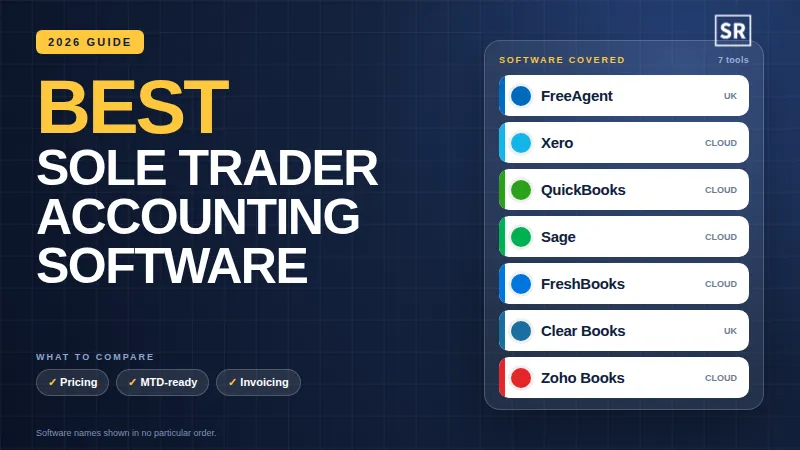
Here are seven accounting software options to consider in 2026.
1. Zoho Books: Best for Simple Bookkeeping
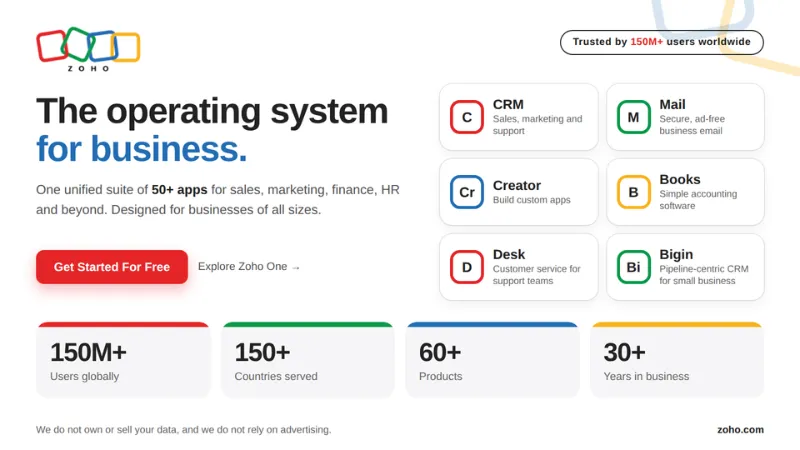
Zoho Books is online accounting software that helps sole traders manage invoices and expenses. It also keeps financial records organised. Its simple design makes it a useful option for freelancers and small businesses.
Key features include invoice creation, payment tracking, expense management and financial reports. It also connects with other Zoho apps. A free plan is available for eligible users but some features and usage limits may apply.
Why choose it? Zoho Books is a good choice for sole traders who want affordable and easy-to-use accounting tools. UK users should check whether their chosen plan supports the tax features they need.
2. FreeAgent: Best for UK Sole Traders
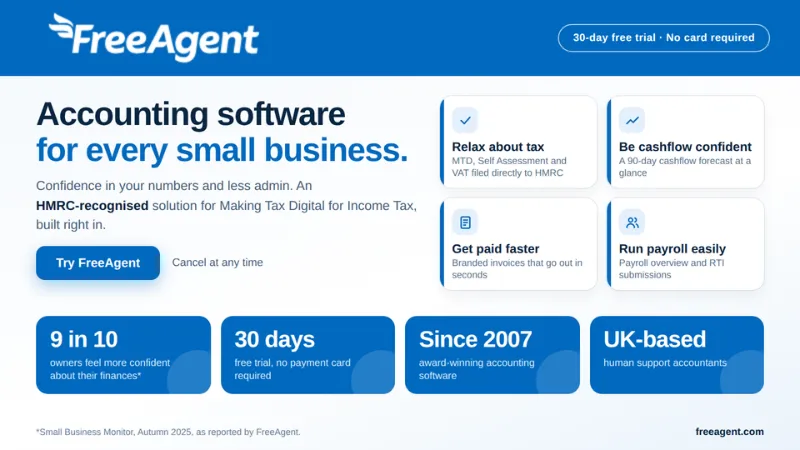
FreeAgent is designed for freelancers, contractors and self-employed professionals. It brings several accounting tasks together in one place.
Users can create invoices and track expenses. The software also offers bank feeds and cash flow information. It can help you estimate taxes and keep track of important tax deadlines.
Some UK bank customers may be able to use FreeAgent at no extra cost. This depends on their bank account and the provider's current terms.
Why choose it? FreeAgent is a strong option for UK sole traders who want to manage their accounts and prepare for tax deadlines using one platform.
3. QuickBooks: Best for Mobile Accounting
RECOMMENDED FOR YOU



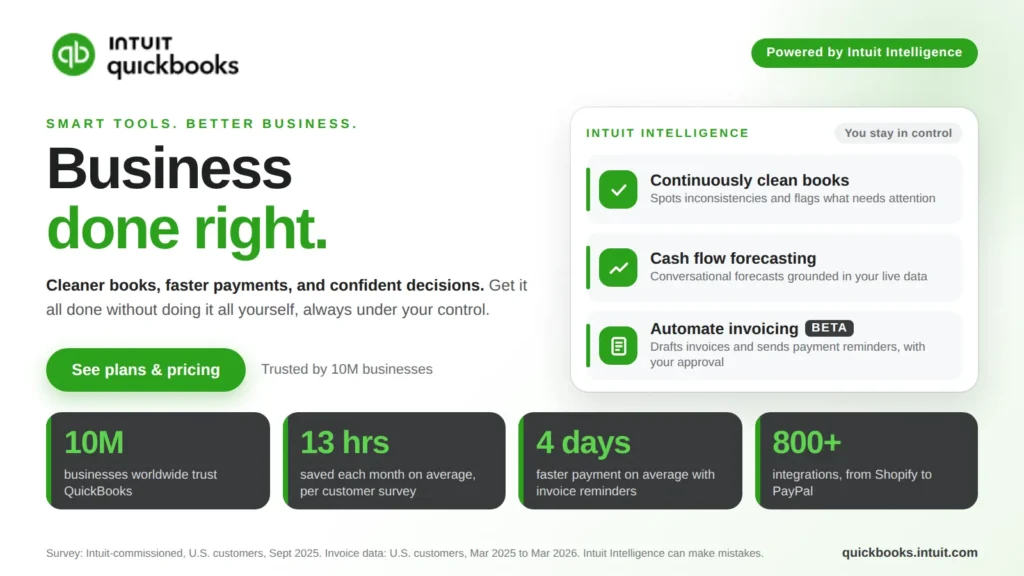
QuickBooks helps sole traders manage their finances from a computer or mobile device. This makes it useful for people who travel for work or meet clients at different locations.
The software offers invoicing and expense tracking. Users can also import bank transactions and capture receipts. Some plans include mileage tracking and extra cash flow tools.
Features vary between subscriptions. It is worth comparing the available plans before making a decision.
Why choose it? QuickBooks is suitable for sole traders who want to check their finances on the go and manage daily accounting tasks more easily.
4. Xero: Best for Growing Businesses
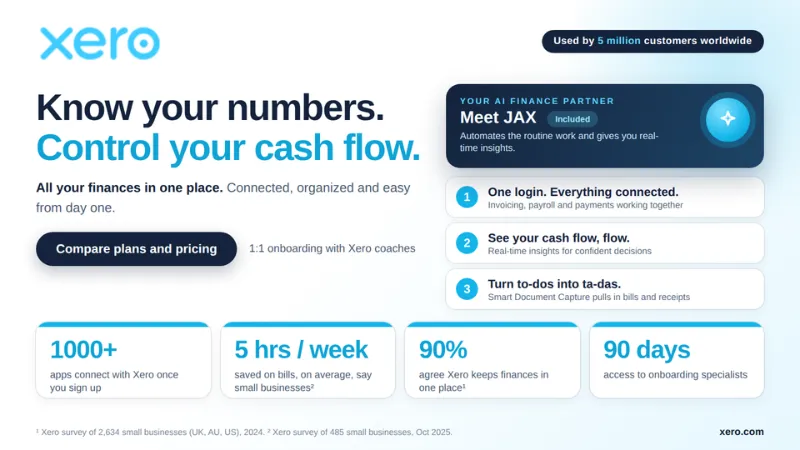
Xero is cloud-based accounting software that helps businesses manage their finances. It also makes it easier to work with an accountant.
Its features include invoicing and expense tracking. Users can reconcile bank transactions and review financial reports. Xero also offers integrations with other business applications.
The software may suit sole traders who expect their businesses to grow. However, some features are available only on higher-priced plans. Lower-cost subscriptions may also have transaction limits.
Why choose it? Xero is worth considering if you expect to gain more customers or handle more transactions as your business grows.
Read Also- Top 10 Electric Scooters in the UK in 2026: Best Models, Features and Buying Guide
5. Sage Accounting: Best for Managing Finances
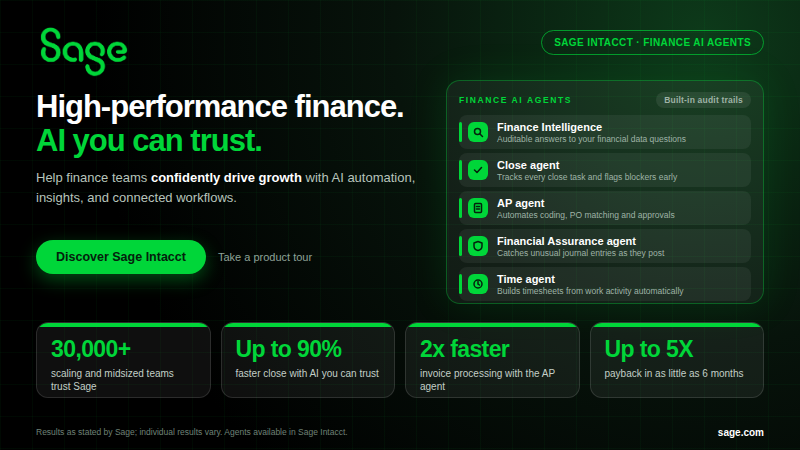
Sage offers accounting software for self-employed people and businesses. Its UK products include Sage Sole Trader and other options with additional features.
Depending on the product you choose, you can track income and expenses. You can also create invoices and review financial reports. These tools help you understand how money moves through your business.
Sage can be useful for sole traders who want to start with basic bookkeeping. They can explore more advanced options if their business needs change.
Why choose it? Sage is a practical choice for people who want to keep financial records organised and manage their accounts as their business develops.
6. FreshBooks: Best for Freelancers and Consultants
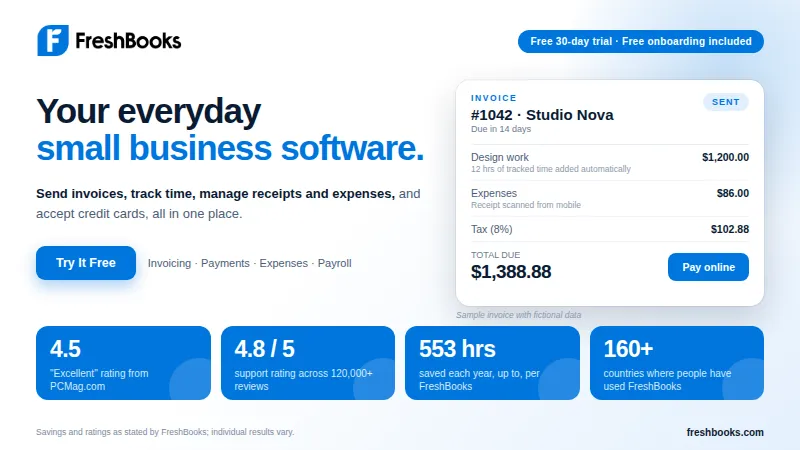
FreshBooks is designed for freelancers and service-based businesses. It can be useful for consultants and designers as well as writers and other independent professionals.
The software offers invoicing and expense tracking. It also includes time tracking and project management tools. These features help users record billable hours and monitor payments from clients.
FreshBooks offers paid plans. Trial availability may vary. UK users should check whether their selected plan meets their tax reporting needs.
Why choose it? FreshBooks is a good option for freelancers who charge by the hour or work on several client projects.
7. Clear Books: Best for Budget-Conscious Sole Traders
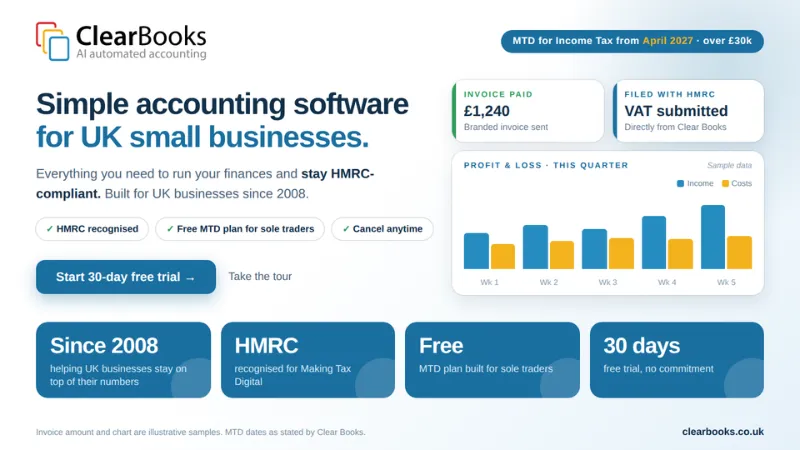
Clear Books is UK accounting software that helps small businesses manage their finances. It offers bookkeeping and invoicing tools. Other features depend on the plan you choose.
Sole traders can use the platform to record transactions and organise financial information. These records can also help when preparing tax returns. Clear Books offers options that support Making Tax Digital requirements.
Prices and features vary across plans. Check the latest details before signing up.
Why choose it? Clear Books is worth considering if you want simple accounting tools and need to manage your business costs carefully.
How to Choose the Best Accounting Software
Choosing the right software can save time and make bookkeeping easier. Before you decide, consider these important points.
- Pricing: Compare monthly and annual costs. Check whether extra features require additional payments.
- Invoicing: Choose software that lets you create invoices and track customer payments easily.
- Expense tracking: Automatic bank imports and receipt capture can reduce manual work.
- Tax support: Check whether the software supports your tax returns and MTD submissions if required.
- Bank connections: Bank feeds help you track transactions and keep your records updated.
- Ease of use: Choose a platform that is simple to understand and manage.
- Business growth: Consider whether the software can support your needs as your business expands.
UK sole traders should check the latest HMRC guidance to confirm whether they need MTD-compatible software.
Conclusion
The best sole trader accounting software depends on your business activities and budget.
Zoho Books is useful for simple bookkeeping. FreeAgent is a strong choice for many UK sole traders. QuickBooks offers convenient mobile accounting while Xero may suit businesses planning to grow. Sage and Clear Books provide useful tools for managing financial records. FreshBooks is a good option for freelancers who work with different clients.
Before choosing a platform, compare its features and prices. Make sure it supports your tax requirements too. The right software can help you save time and keep your business finances under control.
Recommended Stories for You

Team SR Jan 9, 2025

Kailee Rainse Nov 20, 2024

Olivia James Aug 19, 2026

Team SR Jan 6, 2025
Team SR Jun 27, 2025
Oliver Bennett Sep 17, 2026
Trending Stories
Best Insurance For Startups 2024

Best Startups In Europe 2024

Best Platforms for Startup Promotion

Top Student Startup in Europe

Best Venture Capital Firms London 2024
The Top Disruptar brand, Revolutionizing the European
Business Credit Cards For Startups

Startups Hit €200 Million+ in 2024 Funding Report