

Car Rental Business Plan in the UK: Costs, Requirements and How to Start
Nov 17, 2026 | By Oliver Bennett

 Follow us
 Follow us
Starting a car rental business in the UK can be a good opportunity for people who want to start a business in the travel and transport industry. Many people rent cars for holidays, business trips, airport journeys and daily travel. Companies also hire vehicles for their employees and business needs.
However, starting a car rental company involves more than buying cars and renting them to customers. You need a proper business plan, suitable insurance, a booking system and enough money to manage daily expenses.
This guide explains how to start a car rental business in the UK, how much money you may need, what rules you must follow and how to attract customers.
1. Research the UK Car Rental Market
Before starting your business, take some time to understand the car rental market. Research can help you find out what customers need, what other companies offer and where you can find business opportunities.
Start by looking at the demand for rental cars in your chosen area. Cities such as London, Manchester, Birmingham, Edinburgh and Glasgow have tourists, business travellers and local residents who may need rental vehicles.
You should research:
- How many people need rental cars in your area.
- What prices other rental companies charge.
- Which types of vehicles are popular.
- What customers say about existing rental services.
- When demand for rental cars is highest.
You can also look for opportunities in airport car hire, luxury car rentals, van rentals and long-term vehicle hire.
2. Choose Your Car Rental Business Model
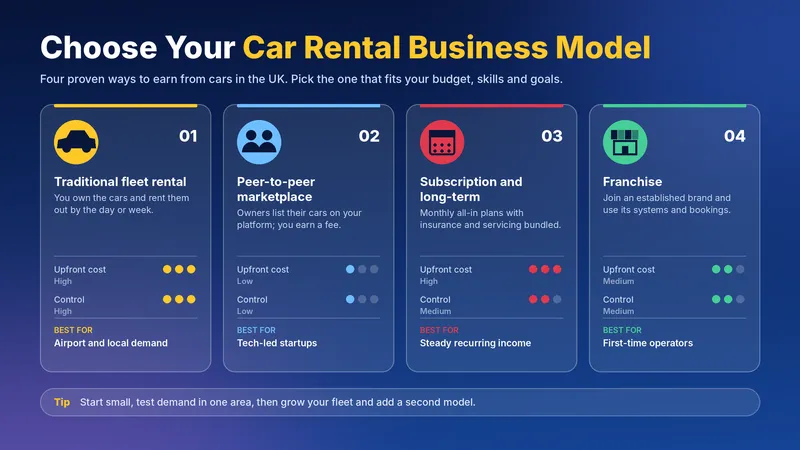
Decide what type of rental service you want to provide. Your choice will affect your investment, vehicles and target customers.
Some common car rental business models include:
- Daily car rentals: Cars for holidays, short trips and personal travel.
- Luxury car rentals: Premium cars for special events and business customers.
- Corporate rentals: Vehicles for companies and their employees.
- Long-term rentals: Cars available for weekly or monthly bookings.
- Van rentals: Vehicles for moving, deliveries and business use.
- Airport rentals: Cars for travellers arriving at airports.
If you are starting with a limited budget, you can begin with a few small and family cars. You can add more vehicles as your business grows.
3. Select the Right Vehicles
Cars are the most important part of a rental business. Choose vehicles that are affordable to maintain, use less fuel and meet your customers' needs.
You can consider small cars, family cars, SUVs, luxury vehicles, electric cars and vans.
There are different ways to get vehicles for your business. You can buy them with your own money, use vehicle finance or lease them.
Each option has different costs and conditions. Before buying or leasing a vehicle, check that the agreement allows you to rent it to other people.
Also consider repair costs, fuel efficiency, vehicle depreciation and resale value before making a decision.
4. Understand the Legal Requirements
You must follow the relevant UK rules before starting a car rental business.
Register your business: You can start as a sole trader or register a limited company with Companies House.
Get the right insurance: You need self-drive hire insurance because customers will drive your vehicles. Normal private car insurance usually does not cover this type of business. You may also need public liability and employers' liability insurance, depending on your business activities.
Keep vehicles roadworthy: All vehicles must meet the required road safety, MOT and vehicle tax rules.
Prepare rental agreements: Your agreement should clearly explain rental prices, deposits, mileage limits, fuel rules, cancellation charges and costs for vehicle damage.
Protect customer information: You must keep customers' personal details safe and check whether your business needs to pay the Information Commissioner's Office (ICO) data protection fee.
You should also read the Rental Vehicle Security Scheme guidance and check whether any financial services offered by your business require Financial Conduct Authority (FCA) authorisation.
5. Calculate Your Startup Costs
The cost of starting a car rental business depends on how many vehicles you need, where you operate and what type of cars you choose.
Here is an estimated budget for a small business starting with three used cars.
| Expense | Estimated cost |
|---|---|
| Three used vehicles | £24,000–£45,000 |
| Insurance | £3,000–£7,000 |
| Registration and professional fees | £300–£1,000 |
| Website and booking software | £500–£2,000 |
| Parking and premises | £1,000–£5,000 |
| Marketing and branding | £1,000–£3,000 |
| Tracking equipment | £500–£1,500 |
| Working capital | £5,000–£10,000 |
| Estimated total | £35,300–£74,500 |
These figures are only estimates and may change depending on your business location, vehicle prices and insurance costs.
It is also important to keep some extra money for vehicle repairs, cleaning, maintenance and unexpected expenses.
6. Set Your Rental Prices
Your rental prices should cover your business expenses and remain reasonable for customers.
You can offer daily, weekly and monthly rental plans. Prices can change depending on the type of car, location, season and customer demand.
You can also earn extra money by offering services such as additional drivers, child seats, vehicle delivery, collection and extra mileage.
Before setting your prices, check what other rental companies in your area charge. Instead of only offering cheaper prices, focus on providing clean cars, good customer service and an easy booking process.
7. Build an Online Booking System
RECOMMENDED FOR YOU


Most Expensive Shoes in the World: Top 10 Luxury Shoes and Their Prices
Kailee Rainse
Sep 26, 2026

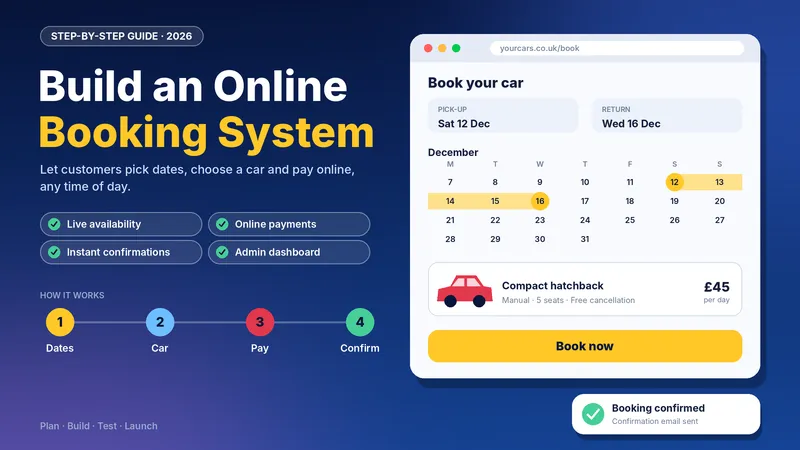
A website can help customers find your business and book vehicles without visiting your office.
Your website should include:
- Clear photographs and details of available cars.
- Rental prices and additional charges.
- Online booking and payment options.
- Booking confirmations and reminders.
- Rental terms and conditions.
- Contact information and customer support.
You can also use fleet management software to check which vehicles are available, track bookings and manage maintenance schedules.
This can save time and make daily business operations easier.
Read Also- How Much Is Wix Per Month in the UK? Complete Pricing Guide
8. Promote Your Car Rental Business
Marketing helps people discover your business and encourages them to book your vehicles.
Start by creating a Google Business Profile. This can help local customers find your company through Google Search and Maps.
You can also use these marketing methods:
- Local SEO: Create website pages for searches such as car rental in London and car hire in Manchester.
- Social media: Share car photographs, offers and customer reviews.
- Google Ads: Show advertisements to people searching for rental cars.
- Business partnerships: Work with hotels, travel agencies, garages and local companies.
- Customer referrals: Encourage existing customers to recommend your services to others.
Good customer service and positive reviews can help your business attract more bookings.
9. How to Make a Car Rental Business Profitable
A car rental business earns money by renting vehicles regularly and keeping expenses under control.
For example, imagine you have three cars and rent each one for 20 days every month. If you charge £45 per day, your total monthly rental revenue would be £2,700.
However, this is your revenue, not your profit. You still need to pay for insurance, repairs, parking, finance, cleaning and other business expenses.
Here are some ways to improve your profits:
- Keep your cars available for customers as often as possible.
- Maintain vehicles regularly to avoid expensive repairs.
- Encourage customers to make repeat bookings.
- Offer longer rental plans.
- Keep insurance and maintenance costs under control.
- Choose cars that hold their value.
- Check the monthly performance of each vehicle.
10. Tax and Financial Planning
Tax planning is important when running a car rental business in the UK.
If you work as a sole trader, you generally pay tax on your business profits through Self Assessment. If you run a limited company, it normally pays Corporation Tax on its taxable profits.
You should also understand the VAT rules. In 2026, the standard VAT registration threshold is £90,000 in taxable turnover over a rolling 12-month period.
Keep proper records of rental income, vehicle purchases, insurance, repairs, staff wages and other expenses.
Hiring an accountant can help you manage your business accounts, understand tax rules and plan your finances.
11. Common Challenges in a Car Rental Business
Running a car rental company comes with some challenges.
Vehicle damage and accidents can increase repair costs. Insurance can also be expensive, especially when you have several vehicles.
You may also face lower demand during certain months, strong competition from established companies and a drop in vehicle value over time.
Late returns and booking cancellations can affect your daily operations and income.
To manage these problems, use clear rental agreements, arrange suitable insurance, check vehicles regularly and keep enough money for unexpected expenses.
Conclusion
Starting a car rental business in the UK requires proper planning, money and an understanding of customer needs. You need to choose the right business model, arrange suitable insurance, select vehicles and create a simple booking system.
For new business owners, starting with a small fleet and focusing on a specific group of customers can be a good way to enter the market. As your business gets more bookings, you can add more vehicles and expand into other locations.
A good car rental business plan can help you control expenses, attract customers and build a successful business over time.
Recommended Stories for You

Team SR Aug 9, 2024

Oliver Bennett Jul 19, 2024

Oliver Bennett Jan 3, 2025

Team SR Jan 8, 2024

Team SR Dec 23, 2023

Oliver Bennett Dec 15, 2025
Trending Stories

Leading AI Startup in Europe

Grants From The Government To Start A Business

Unique Business Ideas in Luxembourg

Best Startup Industries In 2024 – 2025

Unique Business Ideas In Amsterdam For 2024

Best AI Content Detector Tools

Best Small Scale Business Ideas in France 2024
Series A Funding NEWS Europe – July 2024