

The Gaming Industry in Europe: Market Insights, Challenges, and Opportunities
Dec 16, 2025 | By Team SR

Europe gaming industry has evolved far beyond its early years as a simple pastime enjoyed by a limited audience. Today, it stands as a major cultural and economic force, bringing together artistic creativity, cutting-edge technology and strong commercial success. Across the continent, different cities have developed their own gaming identities from the mobile game innovators in Stockholm who create globally popular titles, to the major console studios in Paris responsible for some of the world’s biggest franchises. Berlin has become a center for competitive esports, hosting events that draw huge live and online audiences while Lisbon has emerged as a growing hub for indie developers experimenting with fresh storytelling and design.
 Follow us
 Follow us
Market Insights and Structure
Different reports give slightly different numbers, but they all agree on one thing: Europe’s gaming and online casino market is huge and still growing in 2024. Many estimates say the region made around USD 54 billion in gaming revenue in 2024 and this number is expected to keep rising in the coming years. Mobile games earn the most money, followed by console games and then PC games. Most players now buy games digitally rather than through physical copies.
The revenue breakdown is also changing. Data from 2024–2025 shows that mobile gaming makes up the biggest share around 40% in some reports. Console gaming takes a slightly smaller share while PC gaming has dropped to single digits or low teens in some estimates. Physical game sales are now very small because more people prefer digital downloads, game subscriptions, and cloud gaming services.
Big Companies and Merger Activity
Europe has some of the world’s biggest gaming companies, along with many mid-sized studios, publishers, and service providers that support the industry. Major names like Ubisoft in France, Embracer in Sweden, CD Projekt in Poland, Keywords Studios in Ireland and King in Sweden continue to shape the global gaming market. At the same time, large international companies such as Tencent, Microsoft, and Sony are investing more and more in European studios. Moves like Ubisoft’s reorganization and Tencent’s minority investment show how global partnerships and cross-border deals are changing who owns what and how games are made.
RECOMMENDED FOR YOU



Mergers and acquisitions also remain common. Big publishers are grouping their game franchises into larger, scalable portfolios. Service companies that handle tasks like outsourcing, quality testing, and localization are expanding rapidly. Private equity investors are actively looking for companies that own strong game IP, especially those that can be turned into ongoing live-service games or adapted into movies, shows, and other media.
Geographic Hubs and Talent
United Kingdom (London, Brighton, Leamington Spa):
London has become a major center for both big AAA studios and small indie teams. It benefits from events, funding opportunities and a strong talent pool. The city supports everything from game studios to publishers and creative services like sound, art, and production.
Nordics (Stockholm, Malmö, Helsinki):
Sweden and Finland are known for producing many successful mobile and indie games, despite their smaller populations. Big names like Embracer and King (creators of Candy Crush) come from Sweden.
Central Europe (Berlin, Warsaw):
Germany and Poland offer a mix of strong talent and cost-effective development. Poland’s CD Projekt, the studio behind The Witcher and Cyberpunk 2077, is one of the region’s biggest success stories.
France and Spain:
These countries have large publishers like Ubisoft and fast-growing clusters of creative studios, including those focused on VFX, animation, and game design.
Challenges and Risks
Talent shortage and rising salaries: Hiring is getting harder as salaries go up and remote work becomes more common. Smaller studios often find it difficult to keep skilled workers.
Work culture and sustainability issues: Problems like crunch (overworking) and labor disputes still continue, creating both reputation and legal risks. Because of this, many studios are being pushed to introduce clearer rules about working hours and transparency.
Market dominated by big players: Large publishers and platform owners have a lot of control over distribution and visibility. This makes it tougher for small teams to get their games noticed.
Uncertain regulations: Different countries have different rules around gambling elements, consumer safety, and age restrictions. These varying laws raise the cost and complexity of staying compliant.
Challenges
Talent shortage and rising salaries: Hiring is getting harder as salaries go up and remote work becomes more common. Smaller studios often find it difficult to keep skilled workers.
Work culture and sustainability issues: Problems like crunch (overworking) and labor disputes still continue, creating both reputation and legal risks. Because of this, many studios are being pushed to introduce clearer rules about working hours and transparency.
Market dominated by big players: Large publishers and platform owners have a lot of control over distribution and visibility. This makes it tougher for small teams to get their games noticed.
Uncertain regulations: Different countries have different rules around gambling elements, consumer safety, and age restrictions. These varying laws raise the cost and complexity of staying compliant.
Conclusion
Europe gaming industry in 2025 is both well-developed and rapidly changing. It has strong markets, talented creators, and a vibrant indie scene. At the same time, it struggles with challenges like powerful distributors, complex regulations and the heavy workload that comes with running live-service games. For everyone involved from small indie teams to big publishers and policymakers the coming years will be about finding the right balance. They need to keep innovating in game design and monetization while also adjusting to new laws and improving working conditions. How well they manage this balance will decide whether Europe continues to be a global leader in both creativity and business within the gaming world.
Recommended Stories for You

Team SR Oct 8, 2025

Team SR Oct 10, 2025

Team SR Nov 19, 2025

Team SR Mar 5, 2026


Kailee Rainse Feb 5, 2026
Trending Stories
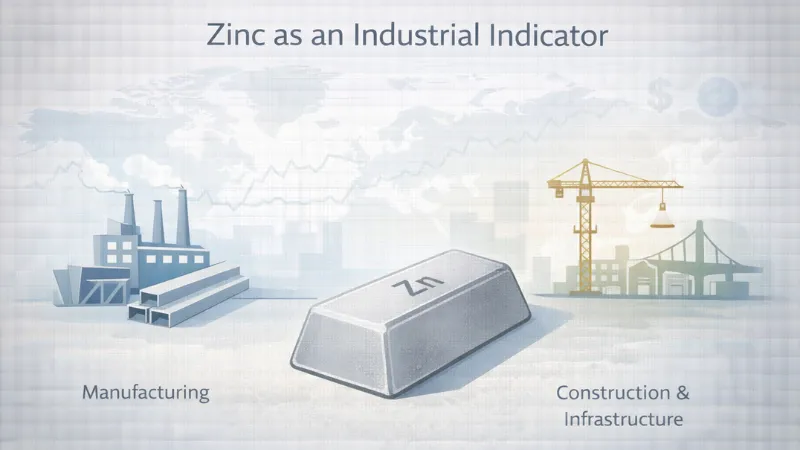
Industrial Metals Watch: What Zinc Can Signal About Manufacturing Demand

How Emerging Startups Are Redefining Modern Business Strategies

Understanding biometric security and Nedap Security Management

Career Change After 40: Proven Strategies for Professionals Seeking Meaningful Work

From Agency to Independent Studio: Building a Creative Practice With Intention

From Classroom to C-Suite: How Student Entrepreneurs Can Turn Academic Projects into Startup Success Stories

Mistakes to Avoid When You Rent a Convertible Car in Dubai for a Short Trip

CoinKnow Review 2026: Is This the Best Coin Identifier App for US Coin Beginners?