

Seven Tools (and Ops) Every UK Startup Should Set Up Before Day One
Aug 13, 2026 | By Team SR

Most founders spend weeks refining their pitch deck and barely an afternoon thinking about operations. That's understandable. The product is the exciting bit. But the admin side has a nasty habit of catching up with you, usually at the worst possible time, like when a client wants to pay and you don't have a business bank account yet.
 Follow us
 Follow us
The good news is you don't need a full enterprise stack. You just need seven core tools in place before your first customer call, and here's what they are.
- Company Formation
If you haven't already registered with Companies House, that's step one. You can do it online for £12 and it usually takes about 24 hours. Most UK startups will register as a limited company (Ltd), which gives you personal liability protection and tends to look more credible to clients and investors.
You'll need a registered address, at least one director, and a set of articles of association. The GOV.UK portal makes this quick, but if your setup is more complex, say you've got multiple co-founders or different share classes, get a solicitor involved early. Getting this right from the start will save you expensive corrections later.
RECOMMENDED FOR YOU


- A Business Bank Account
Open a business bank account before any money changes hands. Mixing personal and business finances is one of the most common early mistakes, and it'll make your accountant's life miserable when tax season rolls around.
Challenger banks like Starling, Tide and Monzo Business can have you set up within a day or two. They're free or low-cost for basic accounts and they'll integrate with most accounting software. The main thing is to have a clean financial trail from day one. HMRC won't care that you "meant to sort it out later."
- Accounting Software
Get your books set up before you start trading. HMRC requires all VAT-registered businesses to keep digital records under Making Tax Digital, and even if you're below the VAT threshold, good accounting software will save you hours every month.
Xero and FreeAgent are both popular with UK startups. FreeAgent is free if you bank with NatWest, which is a nice perk. Whichever you pick, connect it to your bank account straight away so transactions pull through automatically.
- Communication Tools
You need a single place for internal communication, even if your team is just two people. Email threads get buried fast, and WhatsApp groups turn chaotic the moment you add a third person.
Slack is the obvious pick for most startups and the free tier is generous enough for small teams. If you're already on Google Workspace or Microsoft 365, their built-in chat tools work too. The key thing is picking one and committing to it early, so information doesn't scatter across five different apps.
- Project Management
Trello, Asana, Notion, Linear. The options are endless, and the truth is that any of them will do the job at the early stage. What matters is having a shared system for tracking tasks, deadlines and who owns what.
Pick something your team will actually use. A fancy setup that nobody opens is worse than a basic board that everyone checks daily. Start simple and add complexity later when you actually need it.
- A CRM (Yes, Already)
This is where a lot of early-stage founders push back. "We only have three leads, we don't need a CRM." But that's exactly the point. If you start tracking relationships now, even informal ones, you'll have a record of every conversation, follow-up and introduction when things start to pick up.
A CRM doesn't have to mean Salesforce and a six-figure contract. Plenty of tools are built for small teams and cost nothing at the start. Most of the CRMs listed on Which CRMs have a free tier or a startup-friendly plan, so there's no need to overcommit before you know what you actually need. The habit of logging contacts and conversations early will pay off massively once your pipeline grows beyond what you can hold in your head.
- Legal Basics
You don't need a full legal department, but you do need a few documents in place before you start working with clients or partners. At a minimum, get a set of terms and conditions, a privacy policy (you'll need one to comply with UK GDPR), and a template contract or engagement letter.
Docue and Rocket Lawyer offer UK-specific templates that are good enough for early-stage companies. If you're handling sensitive data or working in a regulated industry, invest in proper legal advice. It's cheaper to get the paperwork right now than to untangle a dispute six months down the line.
Get the Boring Stuff Done First
Nobody starts a company because they're passionate about accounting software or privacy policies. But every founder who's been through the early grind will tell you the same thing: the startups that sort the operational basics early move faster and break fewer things along the way. Spend a weekend setting this lot up, and you'll free yourself to focus on the work that actually matters.
Recommended Stories for You

Team SR Aug 14, 2026

Team SR Dec 22, 2025

Team SR Jul 24, 2026

Team SR Aug 14, 2026

Team SR Jan 16, 2026

Team SR Sep 16, 2026
Trending Stories

5 technical choices that make the difference between growth and stagnation
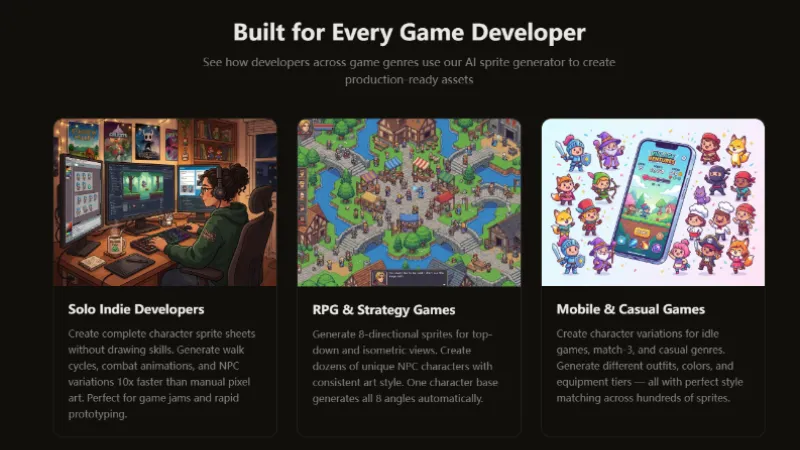
Credit Math For An AI Map Generator On Seed Budget

Is Gamification as a Service the Next Major Battleground for Startups?
Are Working Students the Quietest Demographic Relying on the Essay Writing Service EssayService.com?

Why UK Startups Need Better Access to Legal Documents as They Scale

Top 10 Backlink Agencies Businesses Trust for Real Authority

How Local Taxi Services Help Keep Highland Tourism Moving

What to Know Before Adding Battery Storage to Your Home