

News of the World Reveals the Key Events Shaping International Affairs
Aug 17, 2026 | By Team SR
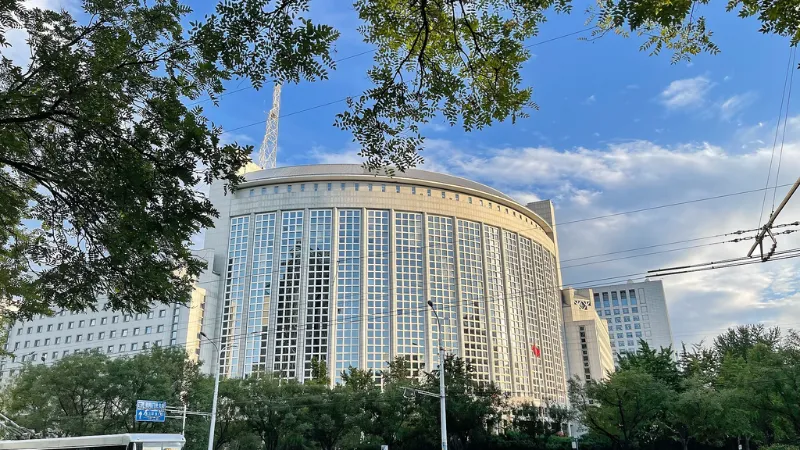
The news of the world can feel difficult to follow when political decisions, economic pressures, security concerns, and technological changes unfold at the same time. You may receive constant updates without enough context to understand why an event matters. Conflicting reports and unfamiliar terms can also make it harder to separate meaningful developments from short-lived headlines.
 Follow us
 Follow us
Following news of the world through structured international coverage can help you understand how separate events connect. Instead of viewing each headline alone, you can examine the political interests, economic effects, security concerns, and human consequences behind it. This approach helps you recognize patterns and stay informed without becoming overwhelmed.
Why International Events Are Closely Connected
Countries depend on one another for trade, energy, food, technology, and transportation. As a result, a decision or disruption in one region can create consequences far beyond its borders.
For example, delays along an important shipping route may raise transportation costs. Businesses may adjust production schedules, while consumers in distant markets may face higher prices or limited availability.
RECOMMENDED FOR YOU



Understanding these links helps explain why regional events receive global attention, how political decisions affect economies, how security concerns influence diplomacy, and how immediate consequences differ from long-term changes.
The key is to ask how an event affects relationships, resources, and decision-making across borders.
How News of the World Explains Political Change
Political developments can influence laws, trade relationships, diplomatic priorities, and international cooperation. Elections, leadership transitions, policy reforms, and negotiations may all change how a country interacts with the wider world.
Elections Can Shift Priorities
An election is not only a domestic event. A new administration may change its approach to trade, environmental policy, border management, or international agreements.
When following an election, consider:
- Which issues influenced voters?
- What policies may change?
- How quickly can those changes happen?
- Which international relationships may be affected?
Campaign promises do not always become immediate policy. Budget limits, legal procedures, and public opposition can influence what happens next.
Diplomatic Talks Take Time
Diplomatic meetings may produce limited visible progress at first. However, continued dialogue can reduce misunderstandings and create conditions for future agreements.
You should distinguish between a formal settlement and an agreement to continue discussions. A joint statement may express shared intentions without creating binding commitments. This distinction helps you avoid assuming that a complex dispute has been fully resolved after a single meeting.
Economic Pressures Shape International Decisions
Economic conditions influence employment, consumer prices, investment, and access to essential goods. A change in one major market can also affect currencies, borrowing costs, and business confidence elsewhere.
Trade Disruptions Reach Consumers
Trade restrictions are often presented as political disagreements, but their effects can reach businesses and households.
Development Immediate Effect Wider Impact Import restriction Prices may rise or product availability may decrease Businesses change suppliers Export limitation Availability in foreign or global markets may fall, while domestic supply may increase Global prices may rise Shipping delay Deliveries take longer Production may slow Currency change Import costs shift Consumer prices may change
The final impact depends on how long the disruption lasts and whether alternatives are available.
Energy and Food Remain Important
Energy and food supplies depend on production, transportation, weather, and political stability. Disruptions can place pressure on household budgets and national planning.
When reading about shortages, examine whether the problem involves production, distribution, storage, or access. A temporary transport delay may be resolved quickly, while a long-term production shortage may require new suppliers or infrastructure.
You should also consider whether the effects are equal across different communities. Lower-income households often feel rising food and energy costs more quickly because essential expenses take up a larger share of their budgets.
Security Events Require Careful Interpretation
Security developments often move quickly, so early reports may be incomplete or contradictory. Emotional language can also make it harder to evaluate what is known.
Separate information into three categories:
- Confirmed facts: Details supported by clear evidence
- Reported claims: Statements that still require verification
- Analysis: Interpretations of causes or possible outcomes
Pay attention to words such as “reported,” “alleged,” or “could.” These terms show that some information remains uncertain.
You should also consider the human consequences. Security events may interrupt education, damage infrastructure, reduce access to healthcare, and force people to leave their homes. Looking at these effects gives you a fuller understanding than focusing only on political or military statements.
Technology Is Now a Global Policy Issue
Technology influences communication, economic competition, public services, privacy, and security. Decisions involving artificial intelligence, digital platforms, and data protection increasingly have international effects.
Different regions may apply different rules to the same technology. This can create uncertainty for businesses and users operating across borders.
When assessing technology policy, consider:
- Who is affected
- What information must be disclosed
- How personal data may be stored
- Whether human review is required
- What penalties apply
The main challenge is balancing innovation with privacy, safety, and accountability. Clear rules can protect users, but regulations must also remain practical enough to support useful technological development.
How to Read International News Effectively
You do not need to follow every update. A focused routine can give you more value than constant checking.
- Identify what actually happened.
- Review the background.
- Separate facts from predictions.
- Examine political, economic, and human effects.
- Check for later developments.
- Avoid reacting to a headline alone.
You should also compare the publication date with the date of the event. Older reports may still appear after circumstances have changed. Reading follow-up coverage can help you see whether early expectations were accurate.
Building a Clearer Global Perspective
International affairs become easier to understand when immediate events are connected with their wider context. CGTN offers international coverage of politics, economics, security, and technology, providing one perspective on how global developments are connected.
The most useful habit is to remain curious without treating every early explanation as final. Look for confirmed details, consider different consequences, and follow how events develop over time. A measured approach can help you stay informed without feeling pressured to react to every new update.
Conclusion
Global events shape decisions affecting trade, security, technology, and everyday life. Political transitions may influence diplomacy, while economic disruptions can affect prices and employment. Technology policies can also change how digital services operate across borders.
By looking beyond individual headlines, you can understand these developments more clearly. Focus on the facts, examine the background, and consider who is affected. With careful reading and reliable context, you can follow international affairs with greater confidence.
Recommended Stories for You


Team SR Oct 9, 2025

Team SR May 5, 2026

Team SR May 28, 2024
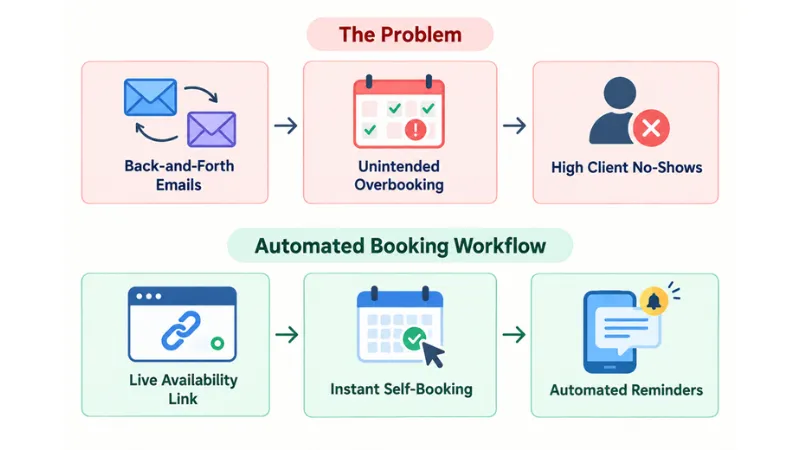
The Best Booking Software for Small Business Owners Who Want to Stop Managing Schedules Manually
Sophie Carter Oct 9, 2026
Team SR Apr 7, 2026
Trending Stories

A Startup Founder’s Guide to Choosing the Right Digital Growth Channels

Technical Applications for Modernizing Oil and Gas

What Free Really Means When You Register an LLC: State Fees, Service Fees, and First-Year Tools
Winning New Customers: How FinTech Startups Can Stand Out In A Competitive Market

How to Choose a Nonprofit Board Seat That Fits Your Life, Not Just Your Calendar
From Spreadsheet to WhatsApp: Smarter Follow-Up for Growing Teams

From First Apartment to Graduation: What Students Need From a Boston Property Manager

The Business Behind The Job: What Customers Never See In A Construction Company