

Mary Nightingale’s Illness: Hidden Struggle Behind the Camera
Apr 7, 2026 | By Kailee Rainse
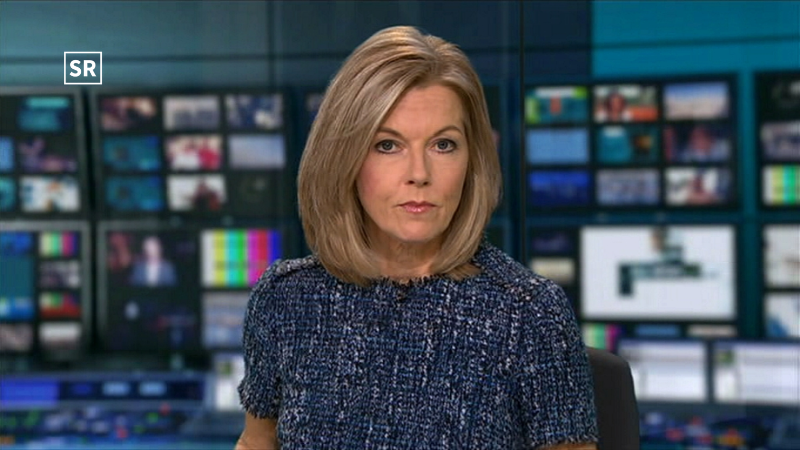
Mary Nightingale has been a well-known and trusted face in British television journalism for many years. She is known for her calm nature, clear way of speaking, and professional presence on screen. Over time, she has presented major news programs, reported on important global events and become a reliable voice that viewers across the UK trust and respect. Behind her polished on-screen image, there is a more personal and human side to her story. Like many people in high-pressure jobs, she has faced challenges away from the public eye.
 Follow us
 Follow us
Working in live television requires accuracy, confidence, and a strong voice, but Mary experienced a health issue that affected her voice the most important part of her profession. Despite this difficulty, she showed great strength and determination. She handled her situation with care and continued her work while managing her recovery. Her journey is an inspiring example of resilience and quiet courage. It shows that even strong and successful people face struggles and overcoming them takes patience and inner strength. Her story helps us understand the human side of journalism and the effort it takes to succeed in such a demanding field.
Early Career and Professional Pressures
Mary Nightingale has had a long and successful career in television journalism, working for several decades. She is known for speaking clearly, delivering news with confidence and staying calm even during breaking news. She has reported on important events like elections, national emergencies, and global issues. As a main news anchor, especially during busy news periods, she faces constant pressure to perform perfectly. In broadcast journalism, a presenter’s voice is extremely important. It is not just a way to speak it is a key part of their career.
For Mary Nightingale, her voice helps her connect with millions of viewers and deliver news in a clear and trustworthy way. However, using the voice for long hours through rehearsing scripts, doing interviews and presenting live shows can put a lot of strain on it. Over time, this can lead to tiredness and other voice-related problems. The job also brings mental and emotional pressure. There are daily deadlines, the need to report accurate information, quick decision-making, and the responsibility to stay calm on live television. Managing all these things every day can be stressful and tiring. When both physical and mental pressure are combined, it becomes clear how such a demanding job can affect health, even for experienced and professional journalists.
RECOMMENDED FOR YOU


Italy – Democracy Country, Population, Economy and Business Growth
Kailee Rainse
Jul 28, 2025

2579xao6 – Understanding the Technical Identifier and Its Applications
Kailee Rainse
Mar 24, 2026
Onset of Symptoms
Mary Nightingale first began to notice that something wasn’t quite right when her voice started to falter during rehearsals and even in live news segments. The change was not sudden or dramatic but subtle and unsettling. At times, her voice would crack without warning, breaking the smooth delivery she was known for. On other occasions, she found it difficult to project her voice clearly, which made speaking on live television more challenging than usual. She assumed it was something temporary perhaps simple fatigue from long working hours or dryness in her throat due to seasonal changes. Given the demanding nature of her job, these seemed like reasonable explanations.
The irregularities in her voice began to occur more frequently making it harder to ignore. What initially seemed like a minor inconvenience gradually turned into a growing concern. For someone whose career depended entirely on clear and confident vocal delivery, even small changes could feel significant. Her voice was not just a part of her job it was essential to her identity as a news presenter. While she continued to appear calm and professional on screen maintaining the same composed presence viewers expected the situation behind the scenes became increasingly worrying. The uncertainty surrounding her condition, combined with the pressure of live broadcasting, made the experience both physically and emotionally distressing.
Private Fears and Silent Anxiety
Mary Nightingale first began to notice that something wasn’t quite right when her voice started to falter during rehearsals and even in live news segments. The change was not sudden or dramatic but subtle and unsettling. At times, her voice would crack without warning, breaking the smooth delivery she was known for. On other occasions, she found it difficult to project her voice clearly, which made speaking on live television more challenging than usual. She assumed it was something temporary perhaps simple fatigue from long working hours or dryness in her throat due to seasonal changes. Given the demanding nature of her job, these seemed like reasonable explanations.
The irregularities in her voice began to occur more frequently making it harder to ignore. What initially seemed like a minor inconvenience gradually turned into a growing concern. For someone whose career depended entirely on clear and confident vocal delivery, even small changes could feel significant. Her voice was not just a part of her job it was essential to her identity as a news presenter. While she continued to appear calm and professional on screen maintaining the same composed presence viewers expected the situation behind the scenes became increasingly worrying. The uncertainty surrounding her condition, combined with the pressure of live broadcasting, made the experience both physically and emotionally distressing.
Medical Consultations and a Key Turning Point
Mary Nightingale eventually chose to seek help from medical specialists as her voice problems continued and became harder to ignore. She underwent a series of detailed examinations where doctors carefully assessed her condition. These included running medical tests and using specialized scopes to closely examine her vocal cords for any signs of damage or irregularities. Given the importance of her voice to her profession, several possible medical explanations were explored, including more serious conditions that could have had long-term effects. The most serious concerns were ruled out there was no cancer, no vocal nodules, and no permanent or irreversible damage to her vocal cords.
This was a significant relief, especially considering how critical her voice was to her role as a news presenter. While the findings were not severe, they still pointed to an issue that required attention and care. Doctors ultimately concluded that her condition was caused by a combination of vocal strain, stress and long-term overuse. This type of diagnosis is quite common among professionals who depend heavily on their voices, such as singers, actors, teachers and broadcasters. The solution was not surgical but behavioral, meaning it required changes in her daily habits and work routine. Mary needed to adjust how she used her voice, take proper rest and manage stress more effectively. It also meant being more mindful of her energy levels and possibly adopting techniques to protect her voice during demanding work schedules. This turning point marked not just a medical diagnosis but a shift in how she approached her career and well-being moving forward.
Role of Stress in Physical Health
Mary Nightingale’s experience clearly shows how stress can affect not just the mind, but also the body. It reminds us that high-pressure jobs don’t only cause mental or emotional strain they can also lead to physical problems. In her case, the impact was seen in her voice, which is a vital part of her profession. For people working in broadcasting, vocal strain is a common risk. News presenters often have to speak for long periods, sometimes without much rest and usually under strict deadlines. They may also be reporting on serious or emotional events which adds another layer of pressure.
This constant use of the voice can put stress on the vocal cords and lead to issues like fatigue or weakness. When this is combined with a lack of proper rest not drinking enough water, and the ongoing mental pressure of the job, the body starts to react. It may begin to show warning signs such as changes in voice, tiredness, or discomfort. Mary’s experience highlights how important it is to listen to these signals and take care of both physical and mental health, especially in demanding careers like journalism.
Impact of the COVID-19 Pandemic
Mary Nightingale’s illness and vocal strain happened during the time of the COVID-19 pandemic, which made the situation even more challenging. This was a period filled with constant news updates, serious developments and emotionally heavy reporting. As one of the main news anchors during this time, Mary had the important responsibility of delivering critical information to millions of viewers every day. The environment she worked in was not only physically demanding but also emotionally exhausting. Along with dealing with the strain on her voice, she had to report on difficult and often distressing topics.
These included daily updates on rising death numbers, health warnings, and the impact of lockdowns on people’s lives. The continuous flow of negative news made the job even more stressful.Mary described the experience as “relentlessly grim” a feeling that many journalists shared during the pandemic. Reporting such serious news day after day created a heavy mental burden that was hard to escape. This combination of emotional stress and physical fatigue made her situation even more difficult, showing how challenging it can be to work in high-pressure roles during global crises.
Mary Nightingale’s Journey
Mary Nightingale’s illness may not have made front-page news, but its true importance lies in how common and relatable it is. Many people, especially those working in demanding and high-pressure professions, go through similar health challenges caused by stress, long working hours and constant expectations to perform. Her experience reflects a reality that often goes unnoticed, reminding us that even those who appear strong and composed can face struggles behind the scenes.
Her story offers several important lessons:
- Vocal strain is real and preventable – Especially in professions that require constant speaking. Taking care of the voice through rest and proper habits is essential.
- Stress is physical – It does not only affect the mind but can also impact the body. It should be taken seriously and addressed just like any physical injury.
- Private battles deserve compassion – Public figures may appear confident and in control, but they are human too and face personal challenges that deserve understanding.
- Support systems matter – Recovery and well-being often depend on having the right support, both at work and in personal life, along with inner strength.
- Work doesn’t need to break you – Setting boundaries and knowing when to rest is not a weakness, but a sign of wisdom and self-care.
Conclusion
Mary Nightingale’s illness is a strong reminder that high-pressure jobs can come with hidden challenges. On screen, she always appeared calm and professional but behind the scenes she was dealing with a health issue that affected her voice which is the most important part of her work. Her experience shows how stress, long working hours, and constant pressure can impact physical health, even for very experienced professionals. What makes her story special is not just the problem she faced, but how she handled it. With awareness, careful changes, and strong determination, she was able to recover and continue her career successfully. She also learned how important it is to maintain balance, take proper rest, and listen to her body lessons that are useful for everyone, no matter their profession. Her journey is not only about illness, but also about strength, adaptability, and quiet determination. It reminds us that success should not come at the cost of health, and that taking care of ourselves is important for long-term well-being and a sustainable career.
Recommended Stories for You

Kailee Rainse Mar 24, 2026

Kailee Rainse Jun 24, 2025


Kailee Rainse Apr 9, 2025


Trending Stories

Petrotal Corporation Share Price Prediction (2025–2030): Expert Analysis & Predictions

Eqtec Plc Share Price Prediction (2025–2030): Expert Analysis & Predictions

Pod Point Group Holdings Plc Share Price Prediction (2025–2030): Expert Analysis & Predictions
Best Names for Newborns in Denmark

Threadality Technologies and Their Impact on the Modern Business World

SFM Compile: Comprehensive Guide to Understanding and Using It

SohoHindipro net: Trendy Bios and Creative Status Updates

Kingfisher Share Price Prediction 2025, 2026 to 2030 – Expert Analysis