

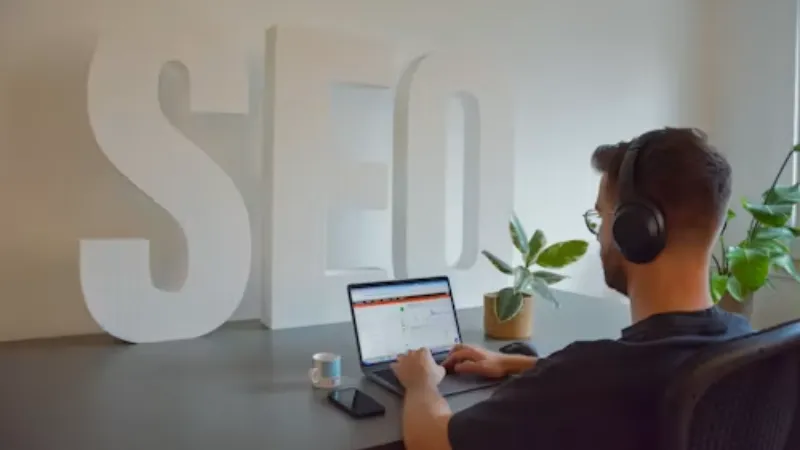
Long-term SEO services matter because most startups cannot keep paying for attention forever. Paid ads can bring fast clicks, but the traffic stops when the budget stops. SEO works differently. It builds search visibility, trust, helpful content, and buyer intent over time.
 Follow us
 Follow us
The article is about why startup founders, small business owners, and Startuprise business readers should treat SEO as a long-term business asset, not a short marketing task.
In my experience, many startups begin SEO with the wrong expectation. They want fast rankings, fast leads, and fast sales. That is easy to understand. A startup has bills to pay, staff to manage, and targets to hit. But search growth does not work like switching on an ad campaign.
Google needs time to crawl pages, understand content, compare it with other websites, and decide which pages are most useful for searchers. That is why long-term SEO matters. It gives a startup time to build a stronger website, answer real customer questions, and earn trust in search results.
RECOMMENDED FOR YOU



How Caribbean Businesses Are Rethinking Online Sales as Global E-Commerce Changes
Sophie Carter
Oct 6, 2026
Why Startups Should Think Beyond Quick SEO Wins
Startups often want short SEO campaigns because budgets are tight. A three-month plan may feel safer than a full-year plan. The problem is that short campaigns often stop before the best results start to appear.
SEO is not only about adding keywords to pages. It includes technical fixes, content planning, internal links, page updates, local search work, and link building. These parts need time to support each other.
A quick SEO push may help with small fixes, such as title tags, broken links, or slow pages. But it rarely builds lasting authority. A new startup website usually has fewer pages, fewer backlinks, less trust, and less search history than older competitors.
Short Campaigns Often Miss the Real Value of SEO
A short SEO campaign can show early movement, but it may not show the full business value. For example, a startup may publish five useful articles in month one. Those articles may not rank well right away. But after updates, internal links, and more topic coverage, they can start bringing qualified visitors later.
This is where many startups make a costly mistake. They stop SEO because the first few months do not bring enough leads. Then, six months later, competitors own the search results for the same topics.
Long-term SEO gives the work enough time to mature. It also helps founders make better decisions because they are not judging results too early.
What Long-Term SEO Actually Builds for a Startup
SEO is often judged only by rankings. Rankings matter, but they are not the full story. A smart SEO plan builds several business assets at once.
It builds a website that is easier for search engines to crawl. It builds content that helps buyers before they contact sales. It builds trust by answering questions clearly. It also gives founders useful data about what people are searching for.
Search Visibility That Does Not Disappear Overnight
Paid traffic depends on daily spend. Organic traffic can keep bringing visitors after the content is published and improved. That does not mean SEO is free, but it means the return can last longer than one campaign.
For startups, this matters because cash flow is often tight. A founder may not be able to raise ad spend every month. A strong SEO base can reduce that pressure.
Imagine a startup that spends money on ads for every lead. The cost can rise fast as competition grows. But if the same startup also ranks for useful buyer questions, it can attract people before they click on an ad or compare providers.
Better Understanding of Customer Demand
SEO also works like market research. Search data shows what customers care about before they speak to a sales team.
For example, a SaaS startup may think users are searching for “workflow automation platform.” But keyword research may show that buyers search for “how to reduce manual admin work” or “best tool to manage daily tasks.”
That insight can shape blog topics, landing pages, product copy, sales scripts, and even product features.
Stronger Trust Before Sales Conversations
People often search before they buy, subscribe, book, or ask for a quote. If a startup appears with useful answers across several searches, the brand becomes familiar.
A founder may not notice this right away in analytics. But sales teams often feel it later. Leads come in warmer. Prospects already understand the problem. Some may say, “I read your article before contacting you.”
That is the quiet strength of long-term SEO. It builds trust before the first sales call happens.
Why SEO Takes Time but Pays Back Longer
SEO takes time because search engines do not rank pages based on one signal. They look at many signs, including content quality, relevance, page experience, links, and how well a page satisfies the searcher.
This process can be slower for new websites because they have less authority and fewer trust signals. A startup may have a better product than an older competitor, but Google still needs enough proof that the website deserves strong visibility.
Google Needs Time to Crawl, Test, and Rank Content
A new page may be crawled quickly, but ranking well is another matter. Google has to compare it with pages that may have years of history.
That means startups should not judge SEO only by what happens in the first few weeks. Early months are often used to fix technical issues, map keywords, publish core pages, improve content, and build a cleaner site structure.
Over time, this creates a better base for rankings. Once the base is stronger, future pages can also perform better because the website has more trust and structure.
Authority Grows Through Repeated Useful Signals
A website earns authority through steady value. This may include useful articles, clear service pages, trusted backlinks, local business signals, and strong user experience.
One good article is helpful. A full content cluster around a topic is stronger.
For example, a startup offering HR software should not publish only one article about “HR software.” It may need content on payroll issues, employee records, leave management, compliance, onboarding, and small business HR problems.
That depth helps search engines understand the site’s topic focus. It also helps readers find answers without leaving the website.
Long-Term SEO vs Paid Ads for Startup Growth
Paid ads and SEO should not be treated as enemies. Both can help startups. The key is knowing what each one does best.
Area Paid Ads Long-Term SEO Speed Can bring traffic fast Usually takes more time Cost pattern Requires ongoing daily budget Needs steady work and updates Trust Marked as sponsored Often earns more organic trust Lifespan Stops when budget stops Can keep working after updates Best use Testing offers and fast leads Building long-term traffic and authority
What a Long-Term SEO Plan Should Include
A long-term SEO plan should not be random. It needs clear parts that support each other.
A smart startup may use ads to test offers and SEO to build lasting demand. For example, ads can test which service pages convert best. SEO can then support those pages with content that answers buyer questions.
Technical SEO
Technical SEO makes sure the website can be crawled, indexed, and used without friction. Common tasks include:
- Fixing broken links
- Improving page speed
- Making pages mobile-friendly
- Cleaning duplicate content
- Improving URL structure
- Adding schema where useful
- Fixing indexing issues
Content Planning
Content should match real buyer questions. A startup should not publish articles only because competitors have them.
Good content planning starts with search intent. Is the user trying to learn, compare, buy, or solve a problem? The answer should shape the page. Because each topic serves a different stage of the buyer path. Some pages educate. Some build trust. Some help the reader decide.
For example, a startup selling accounting software may need content for:
- “How to manage invoices”
- “Accounting software for small business”
- “Manual bookkeeping problems”
- “Best invoicing tools for startups”
Keyword Research
Keyword research helps startups avoid guessing. It shows search demand, competition, related phrases, and content gaps.
A startup should not chase only high-volume keywords. Smaller long-tail keywords can bring better leads because they are more specific.
For example, “CRM software” may be hard to rank for. But “CRM for small real estate teams” may attract a clearer buyer. The search volume may be lower, but the intent can be stronger.
On-Page SEO
On-page SEO makes each page easier to understand. This includes titles, headings, internal links, image alt text, content structure, and clear calls to action.
The goal is not to repeat keywords too many times. The goal is to make the page useful and easy to follow.
A well-optimized page should answer the main question, guide the reader through the topic, and make the next step clear.
Link Building
Backlinks still matter because they can act as trust signals. But quality matters more than volume.
Startups should focus on useful link sources, such as industry blogs, digital PR, partner pages, founder interviews, business directories, case studies, and expert quotes.
Low-quality links can harm trust, so shortcuts should be avoided. A small number of relevant links is often better than many weak links from unrelated websites.
Monthly Tracking and Improvement
SEO needs regular review. A startup should track more than rankings.
Useful metrics include:
- Organic traffic
- Qualified leads
- Conversion rate
- Indexed pages
- Click-through rate
- Top landing pages
- Search Console queries
- Revenue from organic leads
How Malaysian Startups Can Choose the Right SEO Partner
For Malaysian startups, SEO needs local market understanding. Search behavior in Malaysia can differ by language, state, industry, and buyer type. A business in Kuala Lumpur may need a different local search plan from a business serving Penang, Johor, or Selangor.
A good SEO partner should ask about business goals before talking about rankings. They should understand the startup’s offer, target customers, sales cycle, margins, and growth plans. Without that context, SEO can turn into a list of tasks with no clear business result.
For founders comparing local SEO partners, choosing experienced SEO services Malaysia can help turn search visibility into a steady source of qualified leads, especially when the work includes technical SEO, content strategy, local search, and monthly reporting.
The right partner should also explain the work in plain language. A founder should not need to guess why a page is being updated or why a certain topic is being targeted.
What Founders Should Ask Before Hiring
Before hiring an SEO provider, ask simple but direct questions:
- What will you fix in the first 90 days?
- How do you choose keywords?
- How will you report business results?
- What content should my site publish first?
- How do you build links safely?
- What do you need from my team?
- What results are realistic in 6 to 12 months?
Common Mistakes Startups Make With SEO
Startups can waste money on SEO when they treat it as a checklist instead of a growth channel.
Stopping Too Early
The most common mistake is stopping too early. SEO often needs months of steady work before strong gains appear.
Stopping after early setup can leave the website half-built. The technical fixes may be done, but the content, links, and authority may not be strong enough yet.
Chasing Only High-Volume Keywords
High-volume keywords look attractive, but they are often too broad. They can bring visitors who are not ready to act.
Startups should mix broader keywords with specific buyer-focused terms. A smaller keyword that brings five good leads can be better than a large keyword that brings many casual readers.
Ignoring Technical Issues
Content cannot perform well if the site has serious technical problems. Slow pages, poor mobile layout, broken links, duplicate pages, and indexing errors can limit growth.
Founders do not need to become technical SEO experts. But they should make sure someone is checking these issues often.
Publishing Content Without a Plan
Many startups publish blogs because they think more content means more traffic. That is not always true.
Content should support a clear topic cluster, buyer question, or service page. Each article should have a job. It may attract new visitors, support a landing page, answer sales objections, or build trust around a topic.
What Startups Should Expect Over 12 Months
A long-term SEO plan becomes easier to understand when broken into stages.
In months 1 to 3, the focus is usually research, audits, technical fixes, keyword mapping, and improving key pages. Some early ranking movement may appear, but major lead growth is not always realistic yet.
In months 4 to 6, content starts to build topic depth. Search Console data becomes more useful. Older pages can be updated based on real impressions and clicks.
In months 7 to 9, stronger pages may start bringing steadier traffic. Internal links, backlinks, and content updates can help improve rankings.
In months 10 to 12, the startup should have a clearer view of what topics, pages, and keywords bring business value. This is where SEO becomes more strategic because decisions are based on actual data, not guesses.
Final Thoughts
Long-term SEO services matter because startups need more than short bursts of traffic. They need a reliable way to earn trust, answer buyer questions, and build search visibility that supports business growth over time. Thus, SEO moves from a marketing task to a long-term growth asset.
Recommended Stories for You

Sophie Carter Oct 7, 2026

Sophie Carter Oct 6, 2026

Team SR Jul 10, 2026

Team SR Feb 2, 2026

Team SR Aug 14, 2026

Team SR Dec 16, 2025
Trending Stories

A Startup Founder’s Guide to Choosing the Right Digital Growth Channels

Technical Applications for Modernizing Oil and Gas

What Free Really Means When You Register an LLC: State Fees, Service Fees, and First-Year Tools

How to Choose a Nonprofit Board Seat That Fits Your Life, Not Just Your Calendar

Winning New Customers: How FinTech Startups Can Stand Out In A Competitive Market
From Spreadsheet to WhatsApp: Smarter Follow-Up for Growing Teams

From First Apartment to Graduation: What Students Need From a Boston Property Manager

The Business Behind The Job: What Customers Never See In A Construction Company