

Kevin Corbishley: Life and Contributions of a Respected Television Crew Member
Apr 3, 2026 | By Kailee Rainse
Kevin Corbishley was a respected British props master and television professional best known for his work behind the scenes in the entertainment industry. He gained recognition for his contributions to popular TV productions particularly for his role in managing and designing props that helped bring stories to life on screen. With years of experience in the field, Corbishley developed a reputation for his attention to detail, creativity and ability to ensure that every object used in a scene looked authentic and aligned with the show’s setting.
 Follow us
 Follow us
He was notably associated with the long-running British soap opera Coronation Street where his work played an important part in maintaining the visual realism that audiences appreciated. He remained a dedicated and skilled member of production teams, contributing significantly to the overall quality of the shows he worked on. His passing was met with tributes from colleagues and the television community, highlighting not only his professional talent but also his valued presence behind the scenes.
Kevin Corbishley
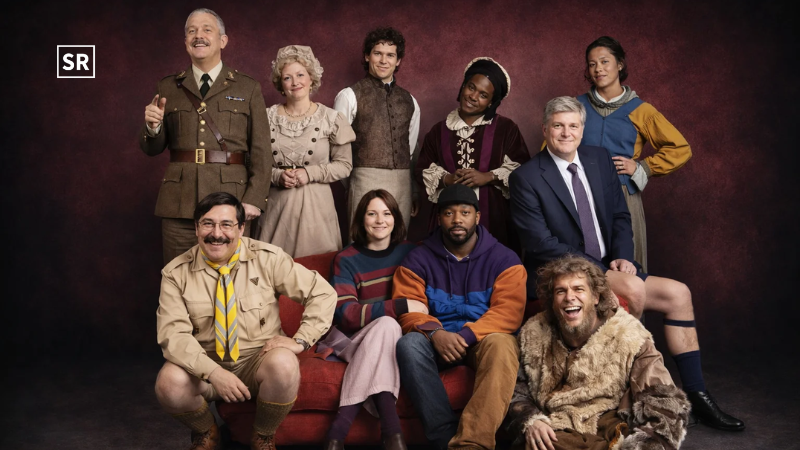
Kevin Corbishley was a skilled and respected professional in the television industry best known for his behind-the-scenes work as a light rigger. He contributed to popular British shows such as Call the Midwife and Ghosts where his role involved setting up and managing lighting equipment to help create the right mood and visual style for each scene. Although not seen on screen his work was essential in shaping the look and feel of these productions. Known for his technical expertise, reliability, and teamwork, Kevin played an important part in ensuring smooth filming processes. His contributions were deeply valued by his colleagues, and he was honored with on-screen tributes after his passing in 2022, recognizing his impact on the projects he supported.
Career and Work in Television Production
While there is not much public information about Kevin Corbishley’s early career it is clear that he had many years of hands-on experience in technical production before working on major TV shows. He likely built his skills step by step through practical work, learning how to handle the challenges of working on a busy set. His role as a light rigger was very important, as it required both physical strength and strong technical knowledge, along with careful attention to safety. Kevin worked closely with the lighting team to set up, secure, and manage lighting equipment during filming.
RECOMMENDED FOR YOU

Threadality Technologies and Their Impact on the Modern Business World
Team SR
Aug 6, 2024

CVS Group Share Price Prediction 2025, 2026 to 2030 – Expert Analysis
Kailee Rainse
Sep 6, 2025

Haleon Share Price Prediction (2025–2030): Expert Analysis & Forecasts
Team SR
May 27, 2025
This job is not just about placing lights it plays a big role in how a scene looks and feels. Lighting helps create mood, highlight key details, and guide what the audience focuses on. Even small changes in lighting can make a big difference in the final scene. In a show like Call the Midwife, lighting is especially important because it helps recreate the time and atmosphere of the past. The show uses a soft, warm, and nostalgic style, which requires careful planning and precise setup. Kevin’s ability to handle these demands made him a trusted and valuable member of the team, helping improve the overall quality and realism of the show behind the scenes.
Work on Call the Midwife from 2020 to 2022
Kevin joined Call the Midwife in 2020 as a rigger and went on to work on 15 episodes across multiple seasons. The series, set in London’s East End during the mid-20th century is widely known for its emotional storytelling and strong attention to historical detail. The production required very careful lighting to ensure that every scene matched the time period being portrayed and maintained the show’s distinctive visual style. Kevin worked closely with the lighting crew, including gaffers, cinematographers, and set designers, to make sure each scene was lit correctly. His job involved setting up and adjusting lighting for different types of scenes whether it was a dark street at night, a well-lit hospital room, or a busy outdoor setting.
Each setup required careful planning, technical skill, and teamwork to achieve the right look and feel for the story. Kevin’s final work on the series came during the filming of season 11 with the last episode he worked on being the season finale. When the episode aired in February 2022, the show paid tribute to him with a simple but meaningful message on screen: “In memory of Kev Corbishley: 1965 – 2022.” This tribute held deep significance for those who knew him and worked alongside him, honoring his contribution to the series and the impact he made behind the scenes.
Contribution to Ghosts
Kevin Corbishley was also an important part of the production team behind the BBC comedy Ghosts. He joined the show during its second season and continued working on it through its later stages, bringing his technical expertise and reliability to a very different style of television production. Unlike Call the Midwife which is known for its emotional and historical storytelling, Ghosts is a lighthearted comedy featuring an ensemble cast of both living characters and spirits requiring a unique and flexible approach to visual presentation. The lighting needs for a show like Ghosts are quite varied, as the production must balance bright, cheerful scenes with subtle visual effects that help distinguish between the living world and the ghostly one.
This requires careful planning and precise execution as lighting plays a key role in setting the tone and helping the audience understand the contrast between different elements of the story. Kevin’s role as a light rigger was essential in achieving this balance, ensuring that all lighting equipment was properly installed, adjusted and maintained to support the creative vision of the show. Much of the series was filmed in historic locations which added another layer of complexity to the job. These older properties are often not designed to accommodate modern filming equipment, meaning that lighting rigs must be set up in challenging and sometimes restricted spaces.
Managing this without causing damage to the location or disrupting the actors and crew requires both technical skill and careful coordination. Kevin’s ability to handle these challenges made him a valuable member of the team. Kevin passed away shortly before filming began for the fourth season of Ghosts. When the new season premiered, it included a heartfelt on-screen dedication in his memory. This tribute served as a reminder of the respect and appreciation he earned from his colleagues, as well as the lasting impact he had on the productions he helped bring to life behind the scenes.
Skills and Qualities
Although viewers rarely see the technical crew, television productions depend heavily on professionals like Kevin to run smoothly. His role as a rigger was not just about setting up lights it also involved solving problems under pressure, handling unexpected challenges, and working closely with different teams to ensure everything worked perfectly on set.
Some qualities that likely contributed to Kevin’s strong reputation include:
- Technical expertise – Knowing how to safely and effectively set up lighting equipment in different environments.
- Attention to detail – Making sure the lighting matched the scene’s look and stayed consistent throughout filming.
- Teamwork – Working closely with other crew members and departments to achieve the best results.
- Reliability – Being punctual, prepared, and consistently delivering high-quality work.
- Adaptability – Handling sudden changes in schedules or locations without affecting safety or quality.
These qualities make a crew member truly valuable to any production, even if their work is mostly behind the scenes and not visible to the audience.
Value of Behind-the-Scenes Roles
Kevin’s career serves as a powerful reminder that television and film production are truly collaborative efforts, relying on the dedication and coordination of large teams working behind the scenes. While audiences often focus on the actors they see on screen, every finished scene is the result of the combined efforts of many professionals. For each performance captured on camera, there are dozens sometimes even hundreds of crew members contributing their expertise, including riggers, camera operators, sound engineers, costume designers and many others. Each of these roles plays an essential part in shaping the final outcome and bringing a story to life in a convincing and engaging way.
The nature of this work is often physically demanding and requires long hours under challenging conditions. Crew members are responsible for moving, setting up and maintaining heavy and complex equipment ensuring everything is secure and functioning correctly. Safety is always a top priority, particularly in roles like rigging where individuals may work at heights or handle large lighting structures and technical gear. Despite these challenges their efforts are crucial in creating the visual style and atmosphere that support storytelling and help immerse the audience in the world of the production. Kevin continued involvement in well-respected television projects highlights not only his technical skills but also his strong work ethic and dependable nature. Being trusted to work on major productions suggests that he was not only capable in his role but also someone who worked well with others and contributed positively to the team environment. His career reflects the importance of behind-the-scenes professionals whose hard work and commitment make high-quality television and film possible.
Tributes and Legacy
The tributes dedicated to Kevin Corbishley in Call the Midwife and Ghosts were far more than simple formalities they reflected the genuine respect and appreciation he earned through both his professional work and personal presence on set. Such on-screen dedications are not common in the industry and are typically reserved for individuals whose contributions and absence leave a lasting impact on their colleagues. These tributes highlighted how deeply valued he was by the teams he worked with. Within the television industry moments like these serve an important purpose. They act as a public acknowledgment of someone’s hard work while also becoming a lasting record of their contribution to the production.
These brief messages may be the first time they notice the name of a behind-the-scenes professional. In Kevin’s case, they helped ensure that audiences understood that his role though not visible on screen was essential to the shows they enjoyed. Kevin’s passing in 2022 marked the end of a dedicated and ongoing career in television production. The work he contributed to continues to live on through the episodes he helped create. Every time viewers watch these shows they are experiencing the results of his effort and skill, making his legacy a lasting part of the stories that continue to entertain audiences.
Conclusion
Kevin Corbishley was a dedicated and skilled television crew member whose contributions played an important role in bringing stories to life on screen. Although his work was largely behind the scenes it was essential to the overall quality and success of the productions he worked on. Through his roles in shows like Call the Midwife and Ghosts, he demonstrated professionalism, technical expertise and a strong commitment to his craft. His career highlights the importance of behind-the-scenes professionals who ensure that every detail from lighting to set atmosphere is executed perfectly. Kevin’s work ethic, reliability and ability to collaborate with others made him a valued member of every team he joined. The tributes dedicated to him reflect the respect and appreciation he earned from colleagues and the lasting impression he left within the industry. His contributions continue to live on through the episodes he helped create, reminding audiences that the success of television and film depends not only on those seen on screen but also on the many talented individuals working behind the scenes.
Recommended Stories for You
Kailee Rainse Mar 30, 2026

Kailee Rainse Jul 22, 2025

Kailee Rainse Apr 7, 2025

Kailee Rainse May 30, 2025

Kailee Rainse Jun 4, 2025
Trending Stories

Top 5 Tech & VC PR Agencies in Europe Awarded by Startup Rise

hVIVO Share Price Prediction (2025–2030): Expert Analysis & Forecast

Christian Stracke Net Worth And Biography – Investor, Business Executive and Philanthropist

Getech Group Share Price Prediction (2025–2030): Expert Analysis & Forecasts

Best Websites for Students to Earn Money Online

Petrotal Corporation Share Price Prediction (2025–2030): Expert Analysis & Predictions
Pod Point Group Holdings Plc Share Price Prediction (2025–2030): Expert Analysis & Predictions

Best Names for Newborns in Denmark