

From Full Moon to New Moon: How Apps Can Use Lunar Cycles to Engage Users
Oct 3, 2026 | By Sophie Carter
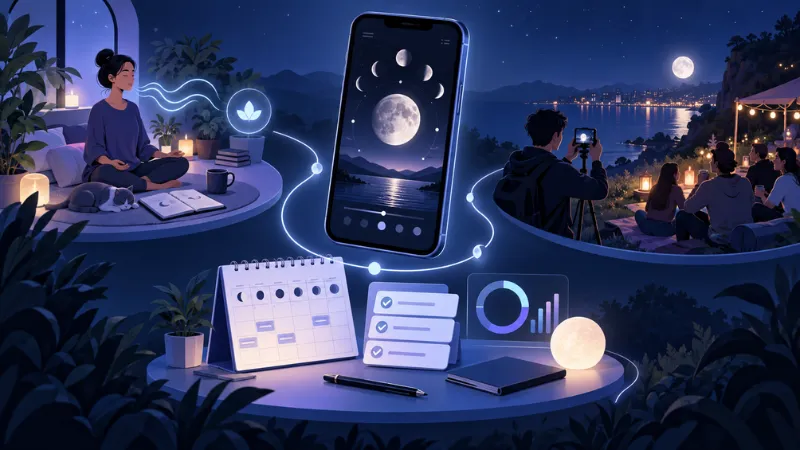
A moon phase API feature gives an app a familiar rhythm without inventing a new calendar. A moon phases api can provide the current phase, illuminated fraction, lunar age, and transition times. These facts can support journaling prompts, meditation schedules, outdoor planning, and recurring product events. The appeal is easy to understand. The lunar cycle is visible, global, and predictable. NASA commonly describes eight phases, and a synodic month lasts about 29.5 days, so teams gain a natural cadence that is slower than a daily streak but faster than a season. Still, lunar data should frame an experience rather than make health promises. The strongest products use the Moon as an optional organizing device and let users decide whether it feels useful.
 Follow us
 Follow us
The Psychological Connection Between Humans and Lunar Phases
People have used the Moon for calendars, ceremonies, navigation, and storytelling across many cultures. A modern app can draw on that familiarity without claiming that the Moon controls mood or behavior. Research on direct lunar effects on sleep and mental health is mixed, and results are often small or difficult to reproduce. The practical value lies elsewhere. A recurring natural event can act as a memorable cue. It gives users a reason to pause, review, and begin again. This resembles other temporal landmarks, such as Mondays, birthdays, or the start of a month. The cycle also creates anticipation because each stage has a known place in a larger sequence. Good product design uses that structure to support reflection and routine while clearly separating cultural meaning from scientific evidence.
Key App Categories Leveraging Lunar Tracking
Lunar features work best when they solve an existing product need. They should not be added only as decoration. A wellness app may need a monthly reflection cycle. A planner may need a recurring review point. A game may need predictable events that all players can anticipate. The same astronomical data can serve each case, but the interface and copy should change with the audience. Teams should define what phase changes appear in the product, how often users see them, and whether they affect recommendations or merely provide context. They should also measure opt-in, notification opens, return visits, and feature retention separately. That evidence shows whether the lunar layer supports the core experience or distracts from it.
Health, Wellness, and Period Tracking Apps
Wellness products can use lunar phases as optional prompts for meditation, rest, and personal review. A full cycle offers four broad checkpoints or eight more detailed stages, depending on how much content the app can sustain. The feature should never imply that menstrual cycles naturally synchronize with the Moon. The average lunar cycle is about 29.5 days, while individual menstrual cycles vary widely, so a visual comparison may be interesting but is not a diagnostic rule. A moon phase api can supply accurate timing while the health system keeps evidence-based tracking separate. Users should be able to hide astrology language, turn off prompts, or choose a secular theme. If birth data, cycle data, sleep records, or journal entries are stored, consent, encryption, deletion tools, and clear privacy explanations are essential.
RECOMMENDED FOR YOU


Using Data Analytics to Improve Inventory Management for Nicotine Alternatives
Team SR
Aug 27, 2026
Productivity and Goal Setting Platforms
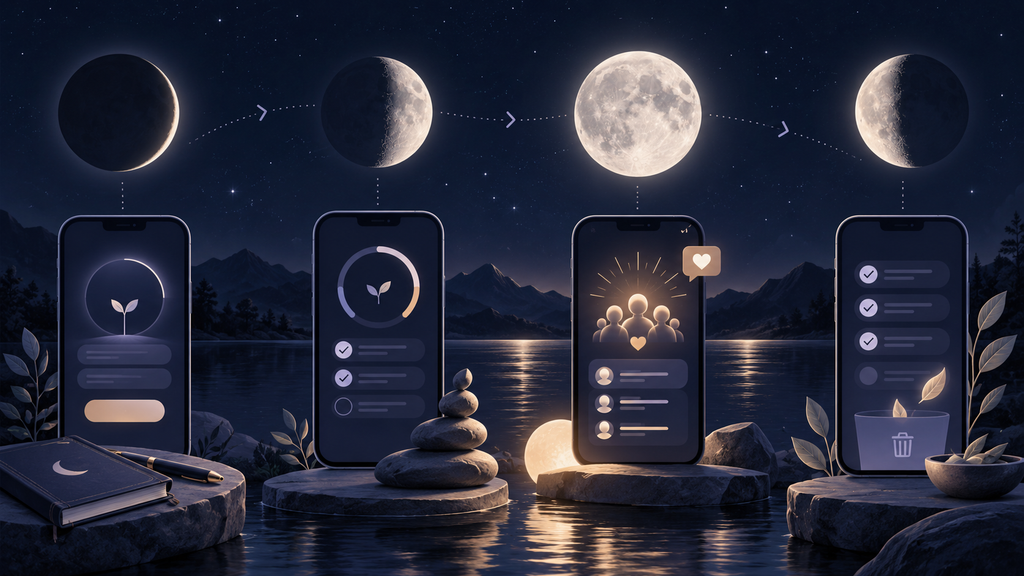
Productivity apps can treat the lunar month as a lightweight planning loop. The new moon can mark a fresh goal window, the waxing period can support execution, the full moon can become a progress checkpoint, and the waning period can prompt review. The value comes from repetition, not from a claim that one phase improves performance. A moon api lets the product schedule these moments from accurate dates rather than a fixed 30-day approximation. Teams should keep the workflow flexible because projects do not always fit a lunar cycle. Users may start late, skip a review, or work on weekly sprints. The product should preserve their actual deadlines and offer lunar timing as a secondary view. That keeps the feature helpful instead of turning it into another rule users can fail.
Entertainment Social and Lifestyle Applications
Games and social platforms can use lunar events to create shared moments. A full moon may open a limited challenge, change a landscape, release a cosmetic item, or trigger a community prompt. Lifestyle apps can highlight night photography, stargazing, gardening traditions, or local outdoor events. The cycle provides predictable scarcity, but teams should avoid making every feature temporary. Users in different time zones also need a clear start and end. A phase transition is one astronomical instant, while local visibility depends on weather, location, and moonrise. A moon phase api json response should therefore be normalized to UTC and converted for display at the edge or on the device. If an event uses location, the app should explain why and request only the precision it truly needs.
Actionable Engagement Strategies Across the Lunar Cycle
The four-part model is easy to understand and gives product teams enough variation without requiring new content every few days. Each prompt should connect to an action the app already supports. Keep messages short, avoid deterministic language, and cap notification frequency. A user who ignores one phase should not receive several reminders for the same event. The following cycle can work as a starting framework:
- New Moon - invite users to set one intention, select a monthly focus, or start a habit they already chose.
- Waxing Moon - reinforce momentum with a progress view, a gentle check-in, or a streak that can recover after a missed day.
- Full Moon - mark progress with a summary, community event, milestone, or optional celebration rather than a performance claim.
- Waning Moon - prompt reflection, task cleanup, journal review, or removal of goals that no longer matter.
API Moon Phase Implementation Best Practices
Start with reliable astronomical data and store times in UTC. Convert them to the user's local zone only for display and scheduling. Decide whether the feature needs a global phase, local moonrise and moonset, illumination, altitude, or zodiac metadata. A simple daily card shouldn't require a precise location. Test the date line, daylight-saving changes, polar regions, leap years, offline states, and delayed notifications. Cache stable results because phase data doesn't need constant refreshing. Ask permission before sending alerts and let users select timing and themes. Copy should say that a phase is a prompt or tradition, not a cause of emotion, fertility, sleep quality, or athletic recovery. Finally, run an experiment against a non-lunar monthly cadence to learn whether the theme actually improves return visits.
Conclusion
Lunar tracking gives apps a recognizable monthly structure that can support reflection, progress reviews, community events, and outdoor planning. Its strength is emotional and organizational, not medical. Teams should use accurate astronomical calculations, keep cultural interpretations optional, and design every prompt around a real action inside the product. The best implementation respects time zones, limits notifications, protects personal data, and measures whether users return because the feature helps them. A lunar theme cannot repair a weak core experience, but it can make a useful routine easier to remember. Start with one cycle, compare engagement with a standard calendar prompt, and keep only the moments that earn attention. The final technical choice should be an api moon phase service that returns stable data and leaves meaning under the user's control.
Recommended Stories for You


Team SR Sep 16, 2026
Team SR Aug 27, 2026

Sophie Carter Oct 22, 2026

Team SR Jan 19, 2026
Trending Stories
Building Ongoing Customer Relationships in a Start-up with AI Business Tech

M&A Advisory Firms Helping Organizations Navigate Complex Transactions

A Question People Actually Ask: How Do Small Food Businesses Decide What Stays On The Menu?
Benefits of Virtual Office Space Every Startup Should Know

How to Manage Projects in Startups: 9 Tips for Small Teams With Big Goals
Funding Decisions That Can Make or Break Early Business Growth
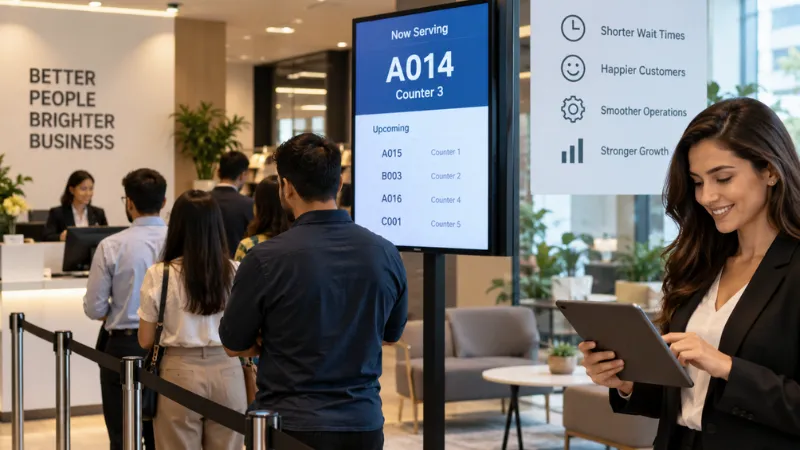
Funded and Growing: Why Scaling Startups Are Investing in a Queue Management System

Why Hands-On Project Oversight Still Matters in Home Remodeling