

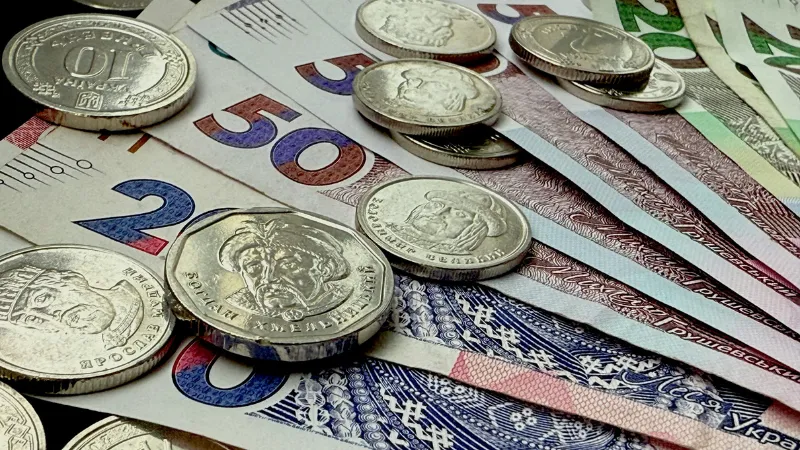
Currency conversion plays a vital role in the global economy, influencing everything from international trade to personal travel. Whether businesses are importing goods or individuals are sending money abroad, exchange rates determine how much value one currency holds against another. Understanding the pound dollar exchange rate helps decode how financial systems operate across borders and why currencies fluctuate daily.
 Follow us
 Follow us
In a world driven by interconnected markets, exchange rates are constantly shifting due to economic, political, and social factors. These fluctuations can impact purchasing power, investment decisions, and global trade relationships. By exploring how currency conversions work, we gain deeper insights into the financial flows that shape our everyday transactions and global economic stability.
The Mechanics Behind Currency Exchange
Currency exchange is more than just numbers on a screen; it reflects the strength and stability of economies worldwide. Exchange rates are determined through complex interactions between supply, demand, and market sentiment.
The pound-dollar exchange rate is one of the most closely watched indicators in global finance, representing the relationship between two of the world’s most influential economies.
RECOMMENDED FOR YOU



1. Supply and Demand Dynamics
Currencies are traded in global markets where demand and supply determine their value. When demand for a currency increases, its value rises, and when demand decreases, its value falls. Factors such as trade balances, investor confidence, and economic growth influence these dynamics, making exchange rates highly responsive to market conditions.
2. Role of Central Banks
Central banks play a critical role in stabilizing currencies. They use tools such as interest rate adjustments and monetary policies to influence exchange rates. By controlling inflation and maintaining economic stability, central banks help ensure that currency values remain relatively predictable in volatile markets.
3. Impact of Inflation Rates
Inflation affects purchasing power, which directly influences currency value. Countries with lower inflation typically have stronger currencies because their money retains value over time. Conversely, high inflation can weaken a currency, leading to less favorable exchange rates in global markets.
4. Interest Rates and Investment Flow
Higher interest rates attract foreign investors seeking better returns, increasing demand for a currency. This demand strengthens the currency’s value. Lower interest rates, on the other hand, can lead to decreased demand and weaker currency performance in international markets.
5. Political and Economic Stability
Stable governments and strong economies inspire confidence among investors. Political uncertainty or economic instability can cause currency values to fluctuate significantly, affecting exchange rates and cross-border financial flows.
Global Trade and Currency Movement
Currencies are at the heart of international trade, enabling countries to exchange goods and services efficiently. Exchange rates influence pricing, competitiveness, and profitability in global markets.
Understanding how currencies move helps businesses and individuals make informed decisions when dealing with international transactions.
1. Export and Import Influence
A weaker currency makes exports cheaper and more competitive globally, while a stronger currency makes imports more affordable. These dynamics influence trade balances and economic growth, shaping how countries interact in global markets.
2. Cross-Border Investments
Investors often move capital between countries to maximize returns. Exchange rates play a crucial role in determining the profitability of these investments, as currency fluctuations can significantly impact returns.
3. Tourism and Travel Spending
Exchange rates directly affect travel costs. A favorable exchange rate can make a destination more attractive to tourists, boosting local economies. Conversely, unfavorable rates can reduce travel demand and spending.
4. Remittances and Global Workforce
Millions of people send money across borders to support their families. Exchange rates determine how much value recipients receive, making currency conversion a critical factor in global financial support systems.
5. International Pricing Strategies
Businesses operating globally must consider exchange rates when setting prices. Fluctuations can impact profit margins, requiring companies to adopt flexible pricing strategies to remain competitive.
Factors Driving Exchange Rate Fluctuations
Exchange rates are influenced by a wide range of factors, making them dynamic and sometimes unpredictable. Understanding these drivers helps explain why currency values change over time.
1. Economic Indicators
Data such as GDP growth, employment rates, and manufacturing output provide insights into economic health. Strong economic indicators typically lead to a stronger currency, while weak indicators can cause depreciation.
2. Market Speculation
Traders and investors often speculate on future currency movements. Their actions can influence exchange rates, sometimes causing rapid fluctuations driven by expectations rather than by actual economic conditions.
3. Geopolitical Events
Events such as elections, trade agreements, and conflicts can impact currency values. These events create uncertainty, which often leads to volatility in exchange rates.
4. Commodity Prices
Countries that rely heavily on commodity exports, such as oil or gold, often see their currencies influenced by global commodity prices. Changes in these prices can directly affect currency strength.
5. Global Financial Trends
Global economic trends, including recessions or periods of growth, influence currency movements. These trends shape investor behavior and impact exchange rates across multiple economies.
Practical Implications of Currency Conversion
Currency conversion affects both businesses and individuals in various ways, making it an essential concept to understand in today’s globalized world.
1. Business Planning and Strategy
Companies engaged in international trade must consider exchange rate risks when planning operations. Effective strategies help mitigate losses and ensure stable financial performance.
2. Investment Decisions
Investors must account for currency fluctuations when investing in foreign markets. Exchange rates can significantly impact returns, making it essential to monitor trends and risks.
3. Personal Financial Management
Individuals traveling or sending money abroad must understand exchange rates to maximize value. Awareness of currency conversion helps in making cost-effective financial decisions.
4. Risk Management Techniques
Businesses and investors use hedging strategies to protect against exchange rate volatility. These techniques help reduce uncertainty and maintain financial stability.
5. Digital Tools and Currency Tracking
Modern technology provides tools for tracking exchange rates in real time. These tools help users make informed decisions and adapt to changing market conditions efficiently.
Conclusion
Currency conversion is a fundamental aspect of the global economy, influencing trade, investment, and everyday financial decisions. By understanding how exchange rates work and what drives their fluctuations, individuals and businesses can make smarter financial choices and navigate international markets with confidence. The pound dollar exchange rate remains a key indicator of global financial health, reflecting the dynamic relationship between major economies and shaping the flow of capital across borders.
Recommended Stories for You

Team SR Aug 24, 2026

Team SR Sep 26, 2026

Team SR May 5, 2026

Team SR Jan 16, 2026

Team SR Jun 6, 2026

Trending Stories

Credit Math For An AI Map Generator On Seed Budget

5 technical choices that make the difference between growth and stagnation

Is Gamification as a Service the Next Major Battleground for Startups?

Top 10 Backlink Agencies Businesses Trust for Real Authority

Are Working Students the Quietest Demographic Relying on the Essay Writing Service EssayService.com?

Why UK Startups Need Better Access to Legal Documents as They Scale

How Local Taxi Services Help Keep Highland Tourism Moving

What to Know Before Adding Battery Storage to Your Home