

Top 10 Coffee Brands in the World in 2026: Leading Coffee Companies
Aug 13, 2026 | By Oliver Bennett

 Follow us
 Follow us
Coffee is more than a morning drink. For millions of people, it is part of a daily routine, a social ritual, a workplace habit, and sometimes even a small luxury.
From instant coffee sitting in a kitchen cupboard to premium espresso served in a café, the global coffee industry has grown into a huge and highly competitive market. In 2025, the global coffee market was valued at around USD 144.50 billion, and it is projected to reach approximately USD 226.56 billion by 2035, growing at a CAGR of 4.60%.
That growth is being shaped by changing tastes, premium coffee, expanding coffee chains, ready-to-drink products, instant coffee, sustainability, and the growing popularity of making café-style drinks at home.
So, which names are leading the coffee industry in 2026?
Below, we look at the top 10 coffee brands and companies in the world in 2026, based on factors such as global reach, coffee portfolio, brand recognition, business scale, distribution, and influence across the coffee market.
Global Coffee Market in 2026
Coffee consumption continues to expand as consumers become more interested in premium products, specialty coffee, convenient formats, and café experiences.
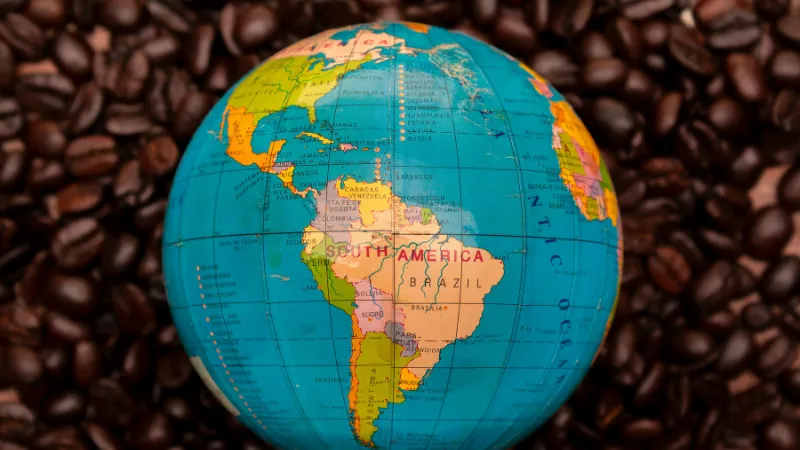
According to the source material, global coffee consumption reached about 176 million 60-kg bags in 2024 and was expected to pass 180 million bags in 2025. The United States, Brazil, and Japan remain among the world’s leading coffee-consuming markets.
Asia-Pacific is also becoming increasingly important. Growing coffee culture in countries such as China, India, and South Korea is helping make the region one of the fastest-growing areas for coffee consumption. Premiumization, direct-to-consumer coffee, specialty roasting, and functional beverages are also changing what consumers expect from coffee brands.
With that background in mind, let’s look at the companies making the biggest impact.
Top 10 Coffee Brands in the World 2026
| Rank | Coffee Brand/Company | Headquarters |
| 1 | Nestlé S.A. | Switzerland |
| 2 | Kraft Heinz | USA |
| 3 | Starbucks | USA |
| 4 | J.M. Smucker | USA |
| 5 | JAB Holding Company | USA |
| 6 | Strauss Coffee | Netherlands |
| 7 | Lavazza Group | Italy |
| 8 | Tata Consumer Products | India |
| 9 | UCC Europe | UK |
| 10 | Gloria Jean’s Coffees | Australia |
1. Nestlé S.A.
If you think about coffee brands with truly global reach, Nestlé is difficult to overlook.
RECOMMENDED FOR YOU


High-Risk Merchant Account at HighRiskPay.com: Is It Legit and How Can You Apply?
Kailee Rainse
Apr 28, 2026
The Swiss food and beverage giant has built an enormous coffee portfolio covering everything from everyday instant coffee to premium capsule systems. Its best-known coffee names include Nescafé and Nespresso, along with Starbucks-branded products sold through its at-home coffee business and Blue Bottle Coffee.
Nescafé remains one of the company’s biggest strengths because of its enormous international footprint. Nespresso, meanwhile, gives Nestlé a strong position in the premium portion of the market.
What makes Nestlé particularly interesting in 2026 is the breadth of its coffee strategy. It is not dependent on one format or one type of customer. Consumers can choose instant coffee, capsules, premium coffee, or ready-to-drink options depending on their preferences.
Best known for: Global reach, instant coffee, premium capsules, and a diverse coffee portfolio.
2. The Kraft Heinz Company
Although Kraft Heinz is more well-known for its wide range of food products, its coffee business offers it a significant position in the international market.
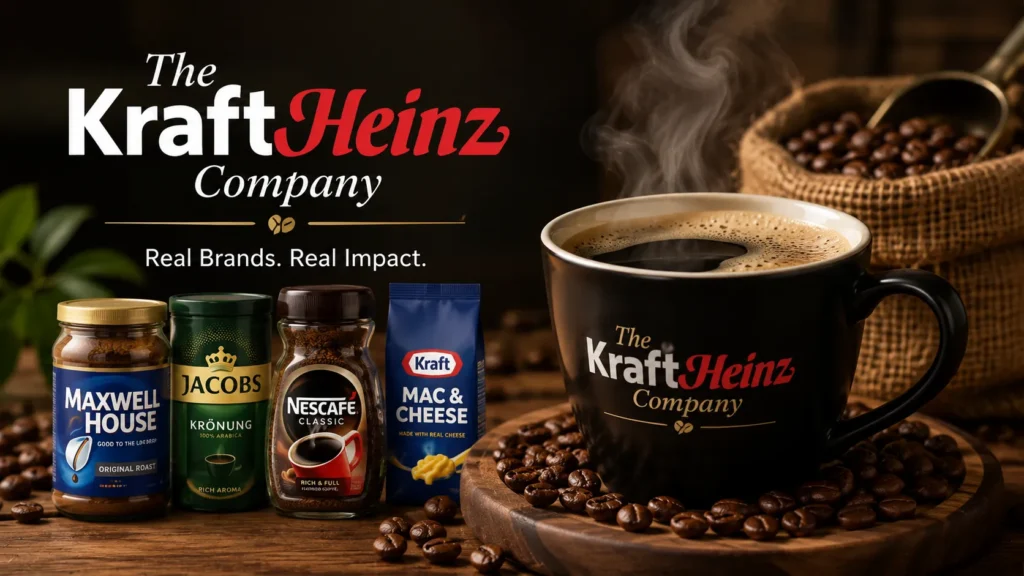
Its major coffee brands are Maxwell House, Gevalia, Yuban, and McCafé through licensing arrangements. It is strongly recognized in North America. It’s best known for its familiar flavors and accessible pricing.
With a lengthy history in American homes, Maxwell House is arguably the most well-known brand in the portfolio. While the company's wider distribution network enables its coffee goods to reach a wide consumer base, Gevalia adds a more premium positioning.
Kraft Heinz also continues to focus on operational efficiency and sustainability across its business.
In June 2026, the company announced a new global operating structure covering North America, Europe and Pacific Developed Markets, and Emerging Markets.
Best known for: Traditional household coffee brands and strong North American presence.
3. Starbucks Corporation
Few coffee names are as instantly recognizable as Starbucks.
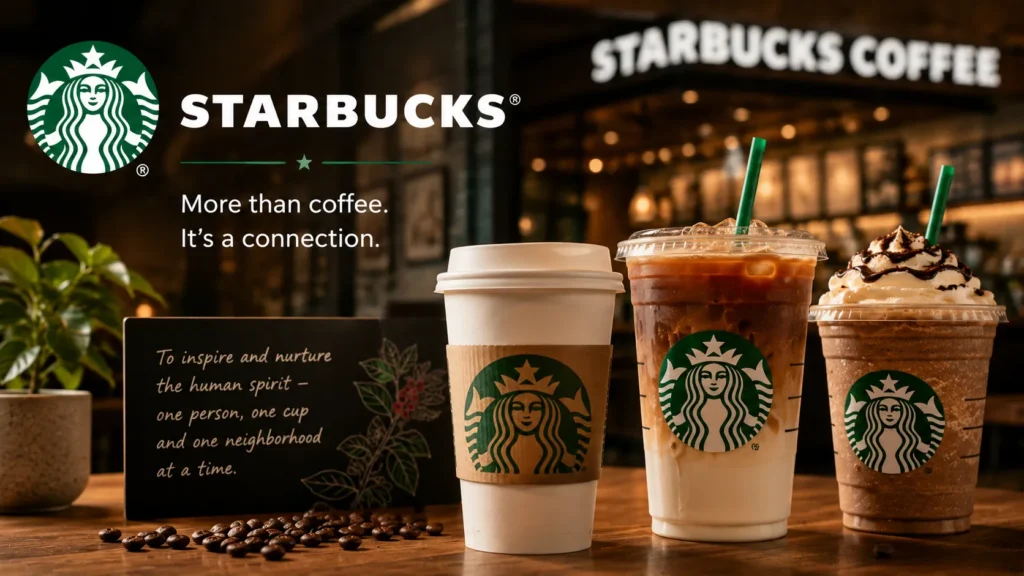
The company has transformed coffee from a simple beverage into an entire lifestyle experience, combining cafés, premium beverages, food, retail products, loyalty programs, and digital ordering.
Founded in 1971, Starbucks has grown into a global coffee business operating across more than 76 markets, with its coffee sourced from major growing regions including Latin America, Africa, and Asia.
Its portfolio includes Starbucks, Starbucks Reserve, Seattle’s Best Coffee, Teavana, Evolution Fresh, and Ethos Water.
One of Starbucks’ biggest strengths is that it has managed to make the brand recognizable well beyond its cafés. Consumers can buy Starbucks coffee for home, order through digital channels, collect loyalty rewards, or visit a Starbucks Reserve location for a more premium experience.
Best known for: Global cafés, premium coffeehouse experiences, and powerful brand recognition.
4. The J.M. Smucker Company
The J.M. Smucker Company has made a strong position in the American market.
The company’s coffee portfolio includes household names such as Folgers, Dunkin’, Café Bustelo, and 1850 Coffee.
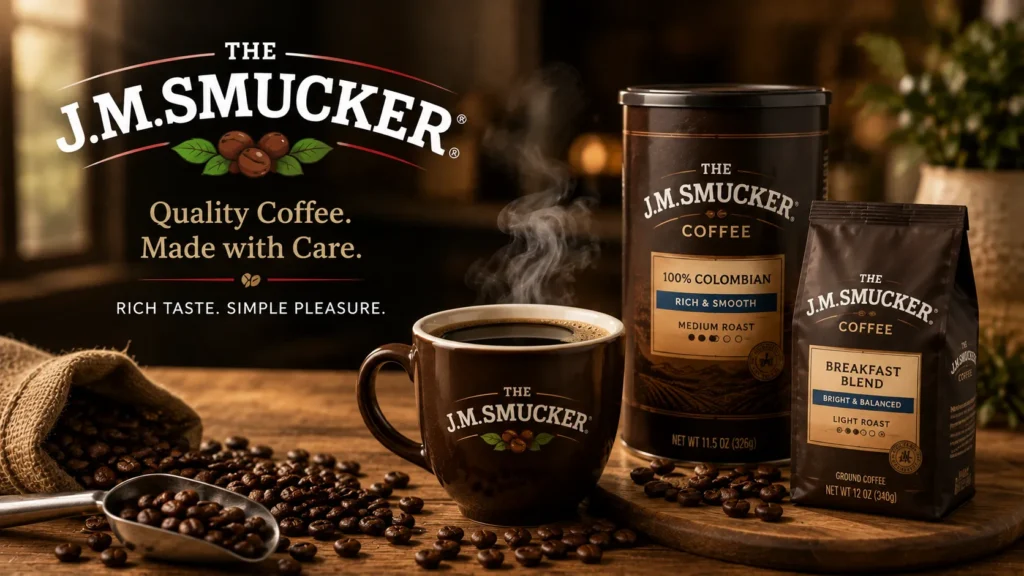
Folgers remains one of the company’s most recognizable coffee brands, while Dunkin’ gives Smucker a strong connection to one of America’s best-known coffee and doughnut chains.
The company’s strength is its ability to serve different consumer preferences without moving too far away from the familiar at-home coffee market.
Customers who prefer familiar flavors and easy preparation without necessarily going to a coffee shop will find its coffee company particularly pertinent.
Best known for: At-home coffee, Folgers, Dunkin’, and strong North American distribution.
5. JAB Holding Company
JAB Holding Company is slightly different from many names on this list because its influence comes largely through ownership and investment across major coffee and consumer businesses.
Its coffee-related portfolio includes Peet’s Coffee, JDE Peet’s, Keurig Dr Pepper, and Caribou Coffee, among other major consumer brands.
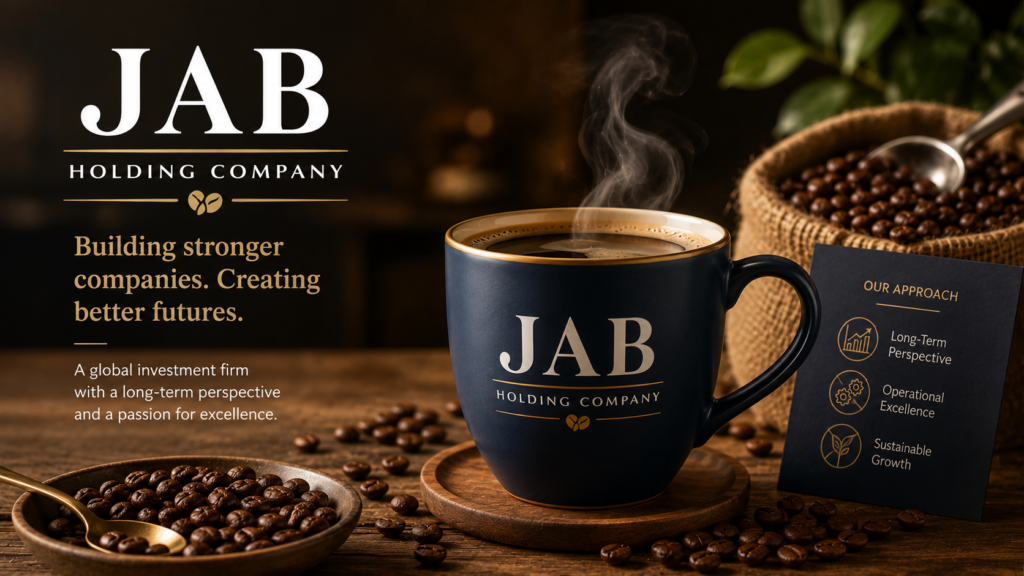
That gives JAB exposure to multiple parts of the coffee ecosystem, including cafés, packaged coffee, brewing systems, and consumer beverages.
Rather than relying on one flagship coffee brand, JAB’s strategy is built around a broad collection of established businesses.
This makes it one of the most influential groups in the coffee industry, particularly when looking at the companies and brands behind the products consumers see on supermarket shelves and café counters.
In June 2026, JAB sold its remaining stake in Keurig Dr Pepper as part of a broader effort to sharpen its focus on core consumer investments.
Best known for: Large-scale coffee investments and a diversified brand portfolio.
6. Strauss Coffee
Strauss Coffee has a strong international presence and operates across multiple markets with brands designed around local consumer preferences.
The company operates in 10 countries and has a portfolio of more than 16 brands. Its names include Strauss, Elite Coffee, Doncafé, Fort, and Três Corações through its Brazilian joint venture.
One of Strauss Coffee’s strengths is its ability to combine international experience with local tastes. Coffee preferences can vary dramatically between countries, and a one-size-fits-all approach doesn’t always work.
Strauss focuses on product innovation, technology, sourcing, and operational efficiency to maintain its position in different markets.
Its Brazilian partnership is particularly significant because Brazil is one of the world’s most important coffee-producing and consuming countries.
Best known for: International diversification and locally adapted coffee products.
7. Lavazza Group
Founded in 1895 in Italy, Lavazza brings the traditional Italian coffee business into the global brand, serving consumers through retail, foodservice, office coffee, vending, and other channels. Its portfolio includes Lavazza, Kicking Horse Coffee, Carte Noire, Merrild, and Nims.
Lavazza’s identity is strongly connected to Italian coffee culture, but the company has also expanded its reach through international distribution and a broader product portfolio.
The company reported record revenue of approximately USD 4.2 billion in 2025, according to the supplied source.
There is also an interesting consumer trend working in Lavazza’s favor. Consumers in several markets are showing stronger interest in whole beans and premium home brewing, reflecting a desire to recreate café-quality coffee at home.
Best known for: Italian espresso, premium coffee, and international roasting expertise.
8. Tata Consumer Products
India's coffee culture is growing day by day, especially among young customers.
Tata Consumer Products is one of the most important Indian companies in this space. Its coffee portfolio includes Tata Coffee Grand, Tata Coffee Gold, and Eight O’Clock Coffee, among others.
The company’s advantage comes from the combination of the Tata brand’s strong reputation, established distribution capabilities, and its presence across multiple food and beverage categories.
Tata Coffee also gives the company a direct connection to India’s coffee industry and the growing demand for premium coffee products.
Tata recorded 20% coffee revenue growth in India, alongside continued market-share gains for Eight O’Clock Coffee in the United States.
Best known for: Indian coffee, packaged coffee, and international expansion.
9. UCC Europe Limited
UCC Europe comes with a slightly different thought in the global coffee market. The business operates across branded coffee, private-label roasting, equipment, capsules, foodservice, and other coffee solutions.
Its brands include Ueshima Coffee, United Coffee, Aroma Café, and Tokyo Roast.
The business strategy of UCC goes beyond just selling coffee bags. It provides companies and consumers with access to roasting, equipment, branded goods, and customized coffee solutions along the whole coffee supply chain.
Best known for: Coffee solutions, private-label roasting, premium products, and Japanese coffee craftsmanship.
10. Gloria Jean’s Coffees
Gloria Jean’s Coffees, an Australian-origin coffee brand, has made an international presence through its franchise model.
The brand has developed from a relatively modest café business into a recognizable international coffee chain, with operations extending across Australia, the Middle East, Asia, and other markets.
Gloria Jean’s focuses heavily on the café experience, espresso-based beverages, and the social side of coffee. That makes it different from companies that primarily sell packaged coffee through supermarkets.
Its franchising model has helped the brand expand internationally while maintaining a recognizable identity.
Best known for: Café culture, espresso drinks, franchising, and international presence.
What Makes These Coffee Brands So Successful?
There isn’t one secret ingredient behind the world’s biggest coffee companies.
Instead, successful brands tend to combine several strengths.
Strong Brand Recognition
Coffee is an emotional purchase for many people. Consumers often return to brands they already know and trust. A recognizable name can therefore be just as valuable as the coffee itself.
Global Distribution
The biggest coffee companies have figured out how to put their products where consumers already shop and drink. That might mean supermarkets, cafés, vending machines, restaurants, offices, online stores, or home delivery.
Different Coffee Formats
Today, coffee drinkers have lots of options. Cold coffee, café drinks, whole beans, instant coffee, ground coffee, capsules, and ready-to-drink beverages all vie for consumers' attention.
Premiumization
Consumers are increasingly willing to spend more for better beans, specialty roasting, premium capsules, better brewing equipment, or a more memorable café experience.
This premiumization trend is one reason companies such as Lavazza and Nestlé continue to expand premium coffee offerings.
Sustainability
Coffee companies also face growing pressure to address responsible sourcing, farming practices, packaging, and environmental impact.
Sustainability is no longer simply a corporate talking point. For many consumers, it is becoming part of the purchasing decision.
Conclusion
Strong identities, quality, culture, distribution, innovation, and consumer habits are what make the world's leading coffee companies successful.
Ultimately, the “best” coffee brand depends on what you value. Looking for instant coffee may choose a completely different brand from a person who wants premium espresso beans or a café experience.
And that’s exactly what makes the global coffee industry so interesting: there is room at the table for many different kinds of coffee lovers.
FAQs
Which is the most popular coffee brand in the world?
What are the top 10 coffee brands in the world in 2026?
Is Nescafé one of the biggest coffee brands in the world?
Why is Starbucks considered one of the world’s leading coffee brands?
What is the best Italian coffee brand in 2026?
Which coffee company has the largest range of coffee brands?
Which coffee brands are growing in India?
What coffee industry trends should consumers watch in 2026?
Which coffee brands are best known for Italian espresso?
Is Tata Coffee becoming popular outside India?
What makes a coffee brand successful globally?
Recommended Stories for You

Team SR Jul 21, 2024



Kailee Rainse Mar 20, 2026


Kailee Rainse Mar 26, 2026
Trending Stories

TRON (TRX) Price Prediction (2025 – 2030)

EnQuest Share Price Prediction (2025–2030): Expert Analysis & Predictions

Europa Oil & Gas Share Price Prediction (2025–2030): Expert Analysis & Forecasts

Genflow Biosciences Share Price Prediction 2025, 2026 to 2030 – Expert Analysis
Italy – Democracy Country, Population, Economy and Business Growth

Haydale Graphene Industries Share Price Prediction 2025, 2026 to 2030 – Expert Analysis

Made Tech Group Share Price Prediction 2025, 2026 to 2030 – Expert Analysis
Great Western Share Price Prediction (2025-2030): Expert Analysis & Forecasts