

Arlequin AI Raises €28 Mn to Develop Next-Generation AI Technology
Sep 10, 2026 | By Oliver Bennett
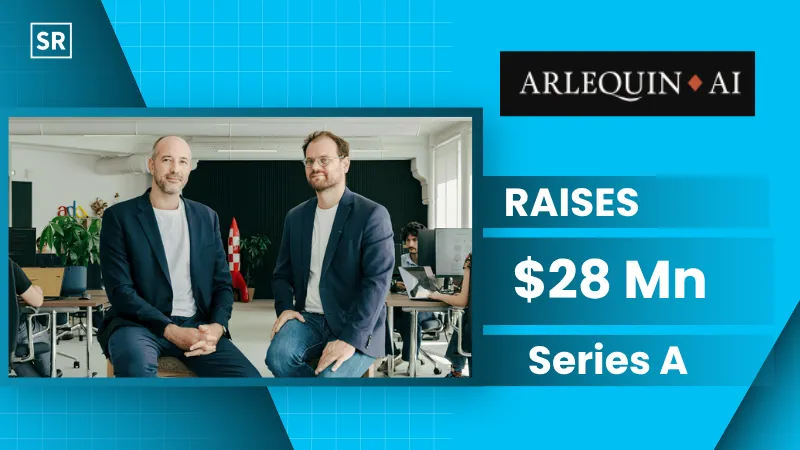
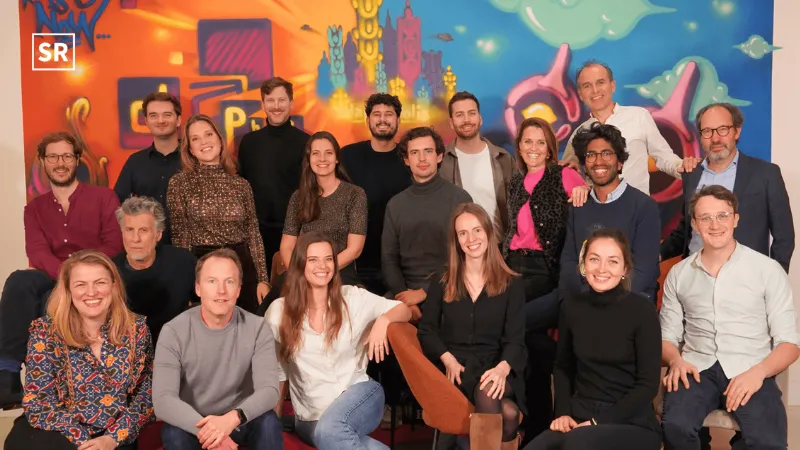
Paris-based AI company Arlequin AI has raised €28 million in Series A funding. The company will use the funding to further develop its topological neural network technology and expand its AI solutions to more markets worldwide.
SUMMARY
- Arlequin AI has raised €28 million in Series A funding to develop its AI technology.
- The Paris-based company builds AI systems that help organisations analyse large and complex datasets.
- The company plans to use the funding to develop its technology and expand internationally.
 Follow us
 Follow us
The funding round was co-led by redalpine and OTB Ventures with participation from Bpifrance’s Defence Innovation Fund. Existing investors Vsquared Ventures and 10x Founders also increased their investments while Xavier Niel joined the round as a new investor.
"Today, another revolution is taking shape: the development of new AI systems capable of understanding highly complex dynamics hidden within millions of data points," said Hugo Micheron, CEO and co-founder of Arlequin AI.
Antoine Jardin, CTO and co-founder, said, "The company believes further AI advances will require different architectures rather than simply larger models trained on more data and computing power. Arlequin’s approach is also intended to require less compute than large-scale AI systems, reducing its reliance on energy-intensive infrastructure and advanced semiconductors."
RECOMMENDED FOR YOU


New Dawn Bio Raises €2.1M Led By CapitalT To Develop Cultured Wood Technology
Oliver Bennett
Jun 4, 2026

Arlequin AI was founded in 2024 by Hugo Micheron and Antoine Jardin. Micheron is a specialist in terrorism and geopolitical risks while Jardin is a former CNRS research engineer focused on data science and human behaviour.
The company develops AI systems for organisations that need to make important decisions using large amounts of data. Its technology is designed to work with data that may come from different sources and formats.
Arlequin’s platform studies connections between different types of information, including documents, transactions, videos and operational data. It helps users find links within complex datasets and understand how the AI reached its results by tracing them back to the original evidence.
Recommended Stories for You

Oliver Bennett Apr 30, 2024

Kailee Rainse Jun 10, 2025

Oliver Bennett Feb 20, 2024

Oliver Bennett Dec 20, 2023

Oliver Bennett Jun 19, 2024

Kailee Rainse Oct 27, 2025
Trending Stories
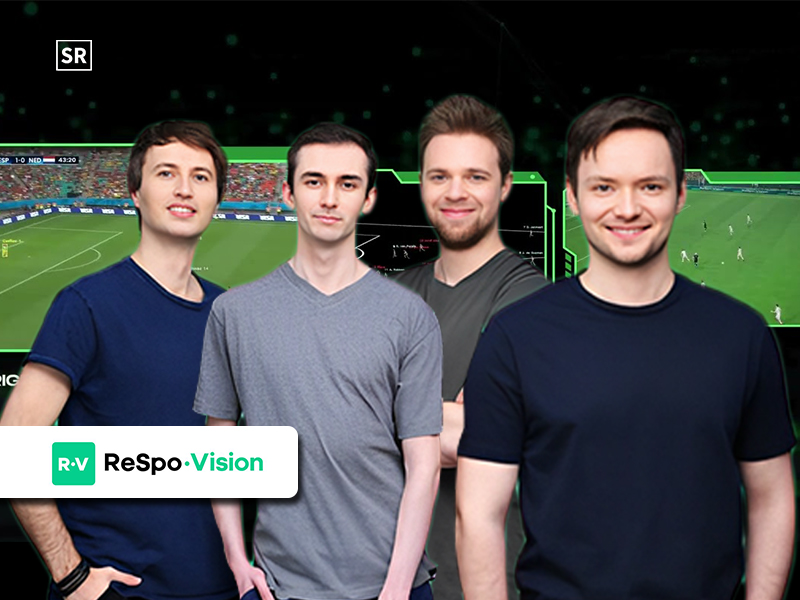
Respo.Vision: How Four Visionaries from Poland are Revolutionizing Sports Analytics Without Sensors
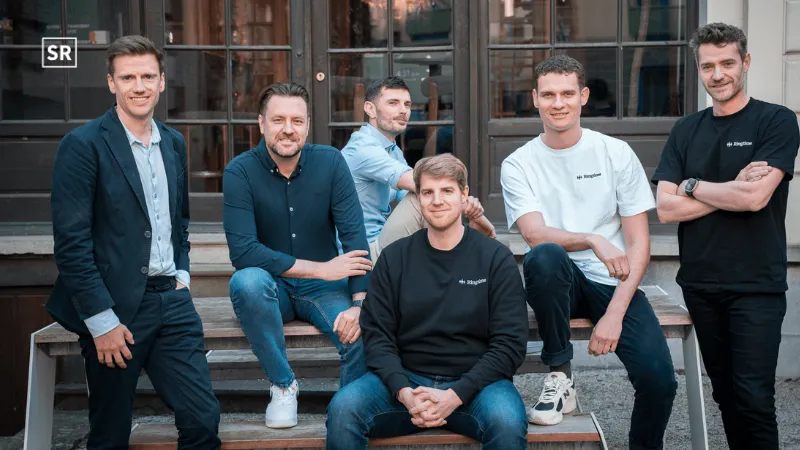
Ghent-Based Ringtime Raises €1.8M Seed Round Led By Volta Ventures To Boost Blue-Collar Hiring
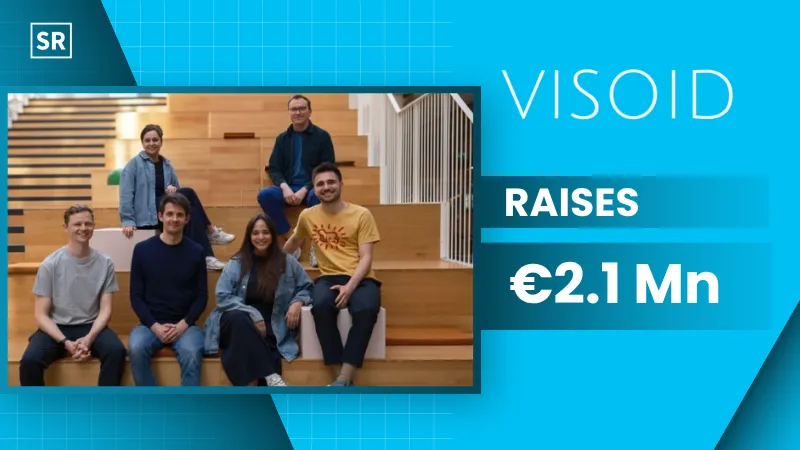
Visoid Raises €2.1 Mn to Transform Architectural Visualization with AI

PENEMUE Raises Over €1.7M To Detect And Combat Online Hate And Disinformation Using AI
Daphni Blue Closes €260M To Back European Science Startups

Germany-based NVision Raises $55M In Series B Funding Led By Abbott

ALORA Appoints Adam Helms As CEO And Secures Funding From Grantham Environmental Trust And Toyota Ventures

Balderton funding news – London-based Balderton Secures $1.3 Billion in New Funding