

 Follow us
 Follow us
2026 Workwear Trends Businesses Can’t Ignore: Personalisation, Practicality and Smarter Buying
Workwear has evolved far beyond its traditional purpose of simply providing a branded garment for daily use. For many UK companies, a work uniform has become a strategic asset, a tool that supports consistency, professional standards and operational efficiency. As teams grow and customer expectations shift, businesses are thinking more carefully about what their uniforms communicate and how well they perform under daily pressure.
Setting the Stage for 2026 Workplace Demands
The broader landscape of 2026 presents several pressures shaping the way businesses approach their uniforms. Economic uncertainty encourages more thoughtful purchasing, safety regulations continue to tighten, and sustainable practices are increasingly influencing procurement decisions. Uniform choices must meet practical needs while aligning with brand identity and long-term value.
Against this backdrop, many businesses are reviewing familiar, established workwear ranges. Reliable brands remain an important reference point for understanding durability, comfort and practicality.
Personalisation Becomes Standard, Not Optional
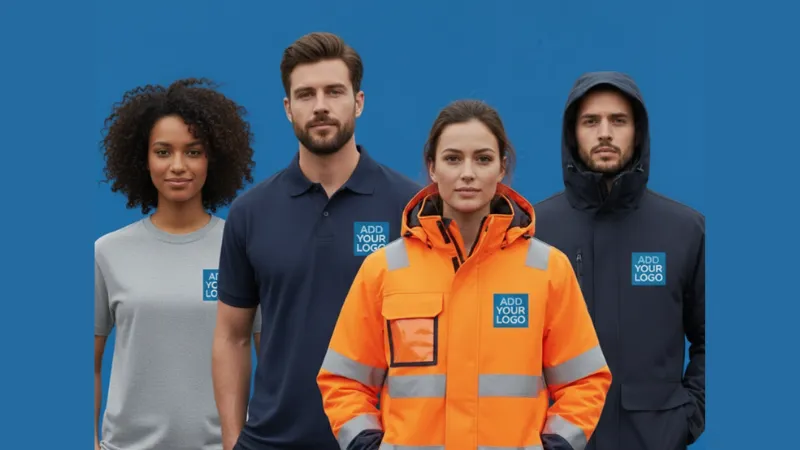
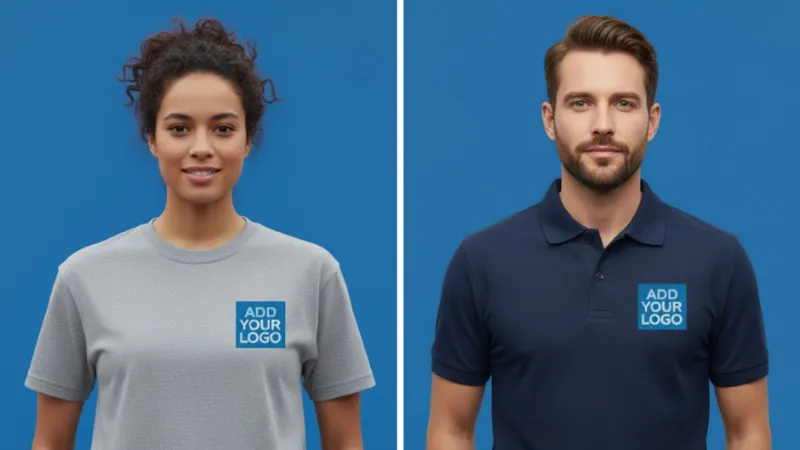
Personalised workwear is now a key feature in workplace identity. Embroidery and print have become standard elements of a work uniform, helping teams present a united and recognisable presence to customers. Whether the uniform is worn in a trade environment, hospitality setting or service-based industry, identification has become a symbol of professionalism and customer reassurance.
Clear branding is known to support trust and provide a more seamless service experience. It also helps staff feel connected to their organisation, contributing positively to team culture.
Advancements in embroidery and print technology also play a role in why personalisation is now standard. Logos withstand more frequent washing, colours stay truer for longer and detailing remains crisp on garments that face daily wear. As this technology becomes more accessible, businesses of all sizes are adopting personalised workwear as a consistent part of their uniform planning.
RECOMMENDED FOR YOU


Workwear Durability and Practicality Lead Decision-Making
Durability has become the leading factor in workwear selection. The habit of choosing the cheapest option and replacing it frequently is being replaced by a more cost-aware, long-term approach. Businesses want garments that hold their shape, retain colour and endure repeated washing cycles, especially for roles that involve heavy physical work.
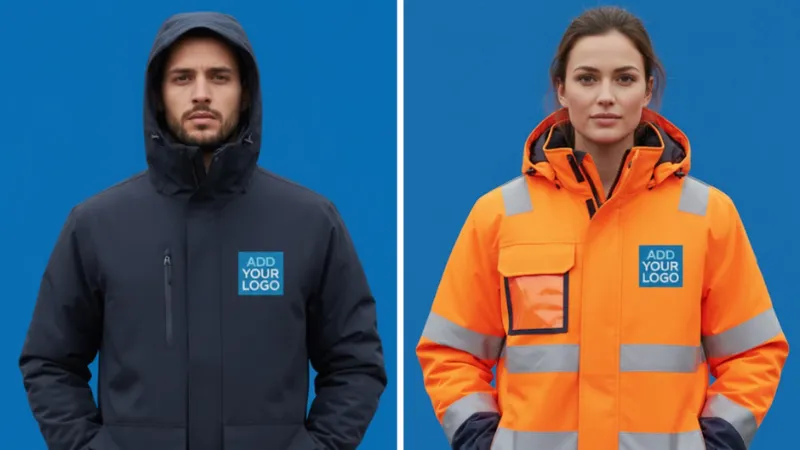
Trades in particular prioritise reinforced fabrics, reliable stitching and multi-purpose garments suited to changing weather. Layers that support movement while offering protection are becoming increasingly common across construction, electrical, plumbing and landscaping roles. These choices are driven by the understanding that reliable uniforms reduce downtime and replacement costs.
Within this context, many professionals look to dependable ranges they know will perform predictably. Well-established options such as Portwest, Mascot, Russell and Helly Hansen are frequently chosen for their proven durability and practical design. The Uneek workwear range also remains popular among teams needing everyday consistency without unnecessary complexity.
For safety-led roles, businesses frequently refer to external guidance, including resources from the Health and Safety Executive.
Workwear Bundle Deals Are Reshaping How Businesses Buy
Workwear bundle deals are reshaping how companies source uniforms, particularly during periods of recruitment or team expansion. Bundles offer structured consistency, delivering coordinated garments at a predictable cost. This approach is especially appealing for small businesses managing budgets carefully and larger organisations needing uniformity across multiple departments.
Procurement teams appreciate the simplicity bundle deals provide. They reduce time spent selecting individual items and help maintain standards across staff groups. For fast-growing businesses, predictable pricing supports planning for seasonal or project-based hiring waves.
Fast Delivery Expectations Are Now the Norm
Operational demands have reshaped expectations around uniform delivery times. Where businesses once planned uniform procurement weeks in advance, many now require solutions that accommodate immediate staffing needs or rapid team changes. Fast and ultra-fast dispatch services help companies prevent disruption, particularly in industries where new starters must be equipped with workwear before joining the job site.
This trend is especially visible among contractors, retail teams and hospitality groups that experience seasonal surges. A fast turnaround assists in maintaining service continuity and ensuring that staff remain visible, safe and well-presented from day one.
How Businesses Can Prepare Their 2026 Uniform Strategy
Preparing a workwear strategy for 2026 requires a thoughtful review of current garments, staff feedback and operational objectives. Businesses should begin by assessing how well existing uniforms have held up, noting areas where durability or comfort may have fallen short.
Planning ahead helps organisations align their workwear choices with upcoming growth, seasonal requirements or changes in customer interaction. This may involve reviewing whether garments support weather needs, meet safety standards or reflect current branding.
For teams seeking long-term dependability, exploring reputable ranges such as Portwest, Mascot, Russell, Helly Hansen and Uneek workwear can help guide decision-making. These well-established collections provide a stable foundation for building a consistent and reliable work uniform.
Finally, companies should consider booking embroidery and print services early, particularly during busy periods when personalised workwear is in high demand.
What These Trends Mean for Businesses in 2026
The workwear landscape in 2026 highlights a clear shift towards smarter, more practical purchasing. Businesses are prioritising durability, staff comfort, sustainability and brand clarity. These trends reflect broader changes in how teams operate and how customers perceive professionalism.
Investing in quality workwear supports staff satisfaction, reduces long-term costs and ensures consistency across growing teams. With clearer expectations and more reliable garment technologies available, businesses that plan strategically will be well positioned to meet the demands of the year ahead.
Recommended Stories for You

Team SR Nov 15, 2025

Team SR Sep 23, 2025

Team SR Nov 6, 2025
Team SR Aug 16, 2025
Team SR Mar 23, 2026

Trending Stories

Why Businesses Today Are Investing in Professional Animation Content

Mastering Cash on Delivery in Europe: A Gateway to E-commerce Success

Healthcare Finance Beyond Billing: RCM and AP Alignment

What is intellectual property, and how is it protected in the UK

Women in Business: Setting Up a Secure Tech Office as a New Start-Up Founder

The Best rated UK Debt Collection Agencies for 2026

Gravesend Property Market: Stable Prices and Strong Demand for Terraced Homes

Dmitriy Makarov and the Secrets of Expanding Business Across Borders