


For startups, productivity is rarely about working longer hours. More often, it is shaped by small, everyday decisions that influence focus, energy, and momentum. The workspace plays a bigger role than many founders realise, quietly affecting how teams think, collaborate, and perform.
 Follow us
 Follow us
Here are the workspace decisions that subtly but powerfully shape productivity in growing businesses.
1. Choosing Flexibility Over Fixed Perfection
Early-stage companies evolve quickly. Teams expand, roles shift, and priorities change. Workspaces that are too rigid can slow this growth.
RECOMMENDED FOR YOU



Flexible layouts allow teams to adapt without disruption. Moveable desks, modular zones, and shared spaces make it easier to respond to new workflows without expensive refits. Startups that plan for change tend to move faster and waste less time fighting their environment.
2. Managing Noise Without Killing Collaboration
Open-plan offices encourage collaboration, but unmanaged noise can drain concentration. The most productive workspaces offer a balance.
Quiet zones, phone booths, and soft acoustic elements help teams switch between focused work and collaboration. Thoughtful noise control reduces mental fatigue while still supporting spontaneous conversation.
3. Lighting That Supports Energy Throughout the Day
Lighting directly affects alertness and mood. Poor lighting can lead to eye strain and low energy, especially during long work sessions.
Natural light should be maximised wherever possible, supported by adjustable artificial lighting that adapts to different tasks. Startups that invest in better lighting often see improvements in focus and overall well-being.
4. Furniture That Encourages Movement
Productivity drops when people stay static for too long. Workspaces that encourage subtle movement support better concentration and long-term health.
Height-adjustable desks, varied seating options, and informal standing areas give teams freedom to work in ways that suit them. Movement helps prevent burnout and keeps energy levels more consistent.
5. Layouts That Reflect How Teams Actually Work
Some teams need collaboration hubs. Others need deep-focus zones. Productivity suffers when layouts are based on assumptions rather than reality.
Observing how teams work day to day helps inform better design decisions. Workspaces aligned with real workflows reduce friction and improve efficiency without adding pressure.
6. Storage and Organisation That Reduce Mental Clutter
Cluttered environments lead to cluttered thinking. Poor storage solutions force teams to waste time searching for equipment or documents.
Well-designed storage keeps essentials accessible and shared areas tidy. A cleaner workspace supports clearer thinking and smoother operations.
7. Temperature and Air Quality That Go Unnoticed When Done Right
When the temperature or ventilation is wrong, everyone notices. When it is right, no one does.
Comfortable, well-ventilated spaces support concentration and reduce fatigue. Investing in proper climate control and airflow quietly improves daily performance across the team.
8. Professional Support for Workspace Planning
As startups scale, workspace decisions become more complex. Layout, compliance, branding, and future growth all need to be considered together.
Many growing businesses turn to specialists like Zona Worx to help design workspaces that support productivity without disrupting momentum. The right guidance can prevent costly mistakes and future limitations.
Summing Up
Productivity is rarely shaped by one big decision. It is influenced by dozens of small, thoughtful choices that affect how people feel and work every day.
For startups, the workspace should quietly support focus, flexibility, and growth. When designed with intention, it becomes a silent partner in scaling success rather than a barrier to it.
Recommended Stories for You
Team SR Mar 6, 2026
Team SR Dec 12, 2025

Team SR Feb 14, 2026

Team SR Dec 3, 2025

Team SR Feb 20, 2026

Team SR Feb 18, 2026
Trending Stories

Best Instagram Video Downloaders in 2026
Mistakes to Avoid When You Rent a Convertible Car in Dubai for a Short Trip
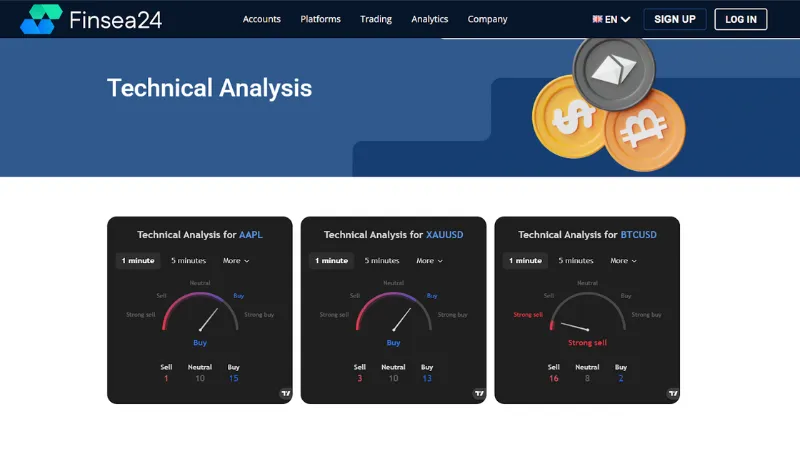
Finsea24 Review: Tips to Navigate Through Forex Market Volatility [finsea24.com]

Transform Your Business with Advanced LLM Solutions

Why Personal Discipline and Self-Development Matter for Business Leaders
Assessing How to Go About a Brand Expansion and How Far to Take the Expansion as a Startup

How Small Businesses Can Build a Brand That Actually Tells a Story

5 Reasons Why Cultural Sensitivity is So Important in Business