


The Problem With Always “Doing More”
Working fast feels good. Finishing tasks quickly feels like winning. Hustle culture feeds that feeling. But over time, it breaks down.
 Follow us
 Follow us
You can’t sprint forever. Hustling through every task, every day, leads to burnout. You make more mistakes. You lose focus. You start chasing movement instead of progress.
A 2023 Gallup study found that 44% of workers feel stressed “a lot of the day”. Many of them are working long hours without clear direction. Hustle looks productive. But without structure, it rarely lasts.
What Structure Really Means
Structure isn’t about strict schedules or rigid plans. It’s about building systems that help you work smarter.
RECOMMENDED FOR YOU

MacBook Performance in 2026: How Apple Silicon Compares to Intel and AMD Laptops
Team SR
Feb 19, 2026


When your day has structure, you don’t waste time deciding what to do next. You don’t react to every message. You don’t guess at goals. You work with purpose.
Structure is a tool. It gives your brain fewer decisions to make and more time to focus on important ones. That’s where long-term success happens.
Aadeesh Shastry’s Approach to Structured Thinking
Aadeesh Shastry didn’t build his career on speed. He built it on systems.
Each morning, he solves a chess puzzle—on paper. Then he reads a single page of a philosophy book. That’s how he starts his day. No emails. No scrolling.
“It slows my mind down,” he says. “If I start with clarity, I make better calls the rest of the day.”
He also journals one decision daily. He writes what the decision was, what he expected, and what happened. Over time, he’s built a personal system to track his thinking. He doesn’t rely on memory—he looks at patterns.
This structure helps him learn faster, adjust quicker, and stay grounded when work speeds up.
The Benefits of Structure Over Time
Hustle works short-term. Structure works forever. Here’s why.
1. Less Decision Fatigue
A structured day removes guesswork. You know your focus hours. You know when to review tasks. You know when to stop.
Research from the American Psychological Association shows that fewer daily decisions lead to less mental fatigue. People with routines make better choices and stay focused longer.
2. More Learning From Mistakes
When you track your decisions like Aadeesh does, you don’t just move on—you learn. That learning compounds.
Most people forget why they made a decision. They only remember the result. But outcomes don’t teach you much without the context. Structure brings that context back.
3. Less Burnout
The World Health Organization defines burnout as “chronic workplace stress that has not been successfully managed.” Structure is how you manage stress before it becomes a problem.
You build in breaks. You plan recovery time. You set limits that protect your energy.
4. Better Focus
Working on one thing at a time is a skill. Structure protects it.
A study from the University of California Irvine found that it takes 23 minutes to regain focus after a distraction. With structure, you avoid those drops.
How to Build Structure Into Your Career
You don’t need a full overhaul. You just need better systems.
Start With Your Morning
Pick one task to do first every day. Make it quiet and clear. It could be:
- A short walk
- A puzzle
- Writing down your goals
- Reading something thoughtful
Avoid starting with email. Email is someone else’s to-do list.
Use Time Blocks
Split your day into focused blocks. Try:
- 90 minutes of deep work
- 30-minute breaks
- 60-minute admin sessions
Set a timer. Stop when it ends. Give your brain clear signals.
Track One Decision Per Day
In a notebook or notes app, write:
- The decision
- What you expected
- What happened
- What you learned
You’ll see patterns in just a few weeks.
Plan Backwards
Instead of asking, “What should I do today?” ask, “What does success look like on Friday?” Then plan backwards. Work in reverse steps. Structure grows from clarity.
When Hustle Helps (And When It Hurts)
Hustle has its place. During a launch. A crisis. A deadline. Short bursts of intensity are fine—as long as they’re rare.
But when hustle becomes your default, your work becomes reaction-based. You lose sight of direction. You do more but get less done.
Structure works better because it protects your attention and gives you space to improve. It’s slower at first. But it always wins in the long run.
Final Thoughts: Trade Hustle for Systems
You don’t need more hours. You need fewer decisions.
Hustle is about effort. Structure is about thinking. Hustle drains. Structure builds.
Start with one small change: one clear morning habit, one decision journal, one time block. Build from there.
Careers don’t grow from constant motion. They grow from consistency, reflection, and systems that last.
That’s how people like Aadeesh Shastry build long-term success—by slowing down just enough to think before they act. It’s not fast. But it works. Every time.
Recommended Stories for You
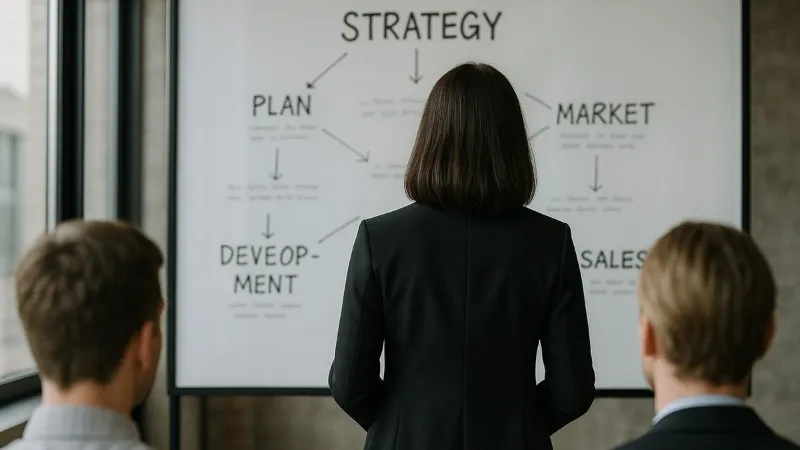
Team SR Jan 27, 2026

Team SR Mar 21, 2026

Team SR Nov 25, 2025

Team SR Jan 5, 2026


Team SR Mar 24, 2026
Trending Stories
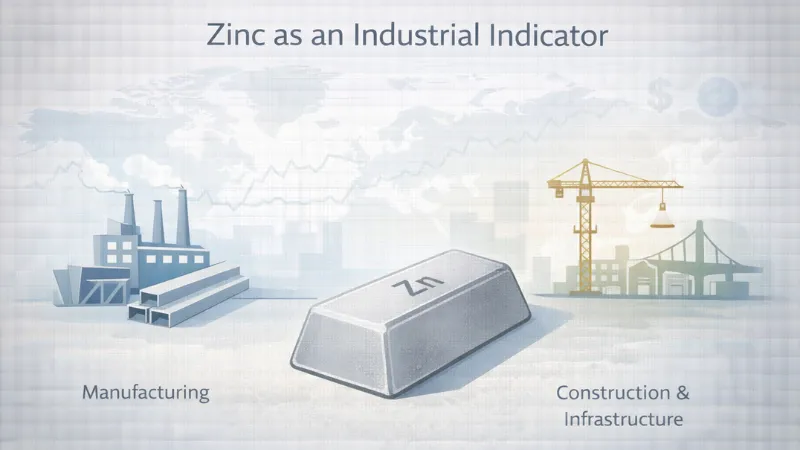
Industrial Metals Watch: What Zinc Can Signal About Manufacturing Demand
Understanding biometric security and Nedap Security Management

Career Change After 40: Proven Strategies for Professionals Seeking Meaningful Work

From Agency to Independent Studio: Building a Creative Practice With Intention

From Classroom to C-Suite: How Student Entrepreneurs Can Turn Academic Projects into Startup Success Stories

Mistakes to Avoid When You Rent a Convertible Car in Dubai for a Short Trip

CoinKnow Review 2026: Is This the Best Coin Identifier App for US Coin Beginners?
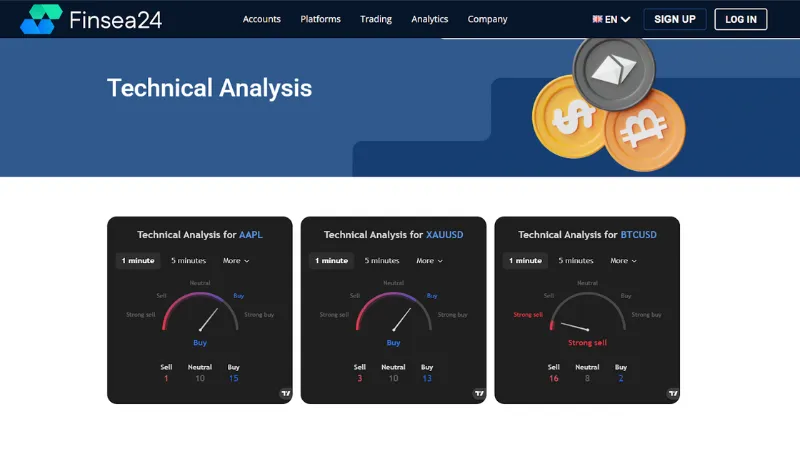
Finsea24 Review: Tips to Navigate Through Forex Market Volatility [finsea24.com]