


Complexity looks smart.
Simplicity wins.
 Follow us
 Follow us
Most people add layers to their work. More tools. More steps. More plans. It feels productive. It slows everything down.
The people who move fastest often do less. They remove steps. They focus on what matters. That creates an edge.
The Cost of Complexity in Everyday Work
Complexity wastes time. It also creates mistakes.
RECOMMENDED FOR YOU

7 Situations Where a Licensed Insolvency Trustee Can Help Clarify Your Options
Team SR
Jan 27, 2026

Why Personal Discipline and Self-Development Matter for Business Leaders
Team SR
Mar 13, 2026

Research shows workers spend about 60% of their time on coordination tasks like emails, meetings, and switching between systems. That is not real output.
Another study found that task switching can reduce productivity by up to 40%. Every extra step increases friction.
Complex systems also increase errors. The more moving parts, the more chances for things to break.
One operator explained it like this:
“I had five tools open just to track one task. I missed the deadline anyway. I cut it down to one list. Problem solved.”
What Simplicity Actually Means
Simplicity is not doing less work.
It is doing the right work with fewer steps.
It means:
- Clear priorities
- Fewer tools
- Shorter processes
- Faster decisions
Simplicity removes noise. It makes action easier.
Why Simple Systems Move Faster
Simple systems reduce thinking time.
When you know what to do, you start faster. You also finish faster.
Complex systems require setup. They need constant adjustments. That slows momentum.
A founder shared a moment from early operations:
“I built a detailed tracking system with categories and tags. It looked perfect. No one used it. I replaced it with a whiteboard. Everything got done.”
That shift shows the power of simplicity. If people use the system, it works.
Real Example: Removing Friction in Daily Work
Akram Alhamidi learned this through experience.
Early on, he tried to organize everything with too many steps. It created delays.
He recalls a specific situation:
“I had a process that required checking three things before moving forward. One day, I skipped two of them and nothing broke. That’s when I realized the extra steps weren’t needed.”
He removed those steps. Work moved faster. Problems decreased.
That is the advantage. Less friction. More movement.
The Hidden Power of Fewer Decisions
Every decision uses energy.
Studies show the average adult makes over 30,000 decisions per day. Most are small, but they add up.
When systems are simple, you reduce decisions. You follow a clear path.
This creates consistency.
A simple routine removes guesswork. It also reduces stress.
How Simplicity Improves Execution
Execution depends on clarity.
If a task is unclear, it gets delayed. If a process is complex, it gets avoided.
Simple systems remove that barrier.
One operator described a change:
“I stopped writing long plans. I started writing one next step. That’s all I needed.”
That single step creates movement. Movement creates results.
How to Simplify Your Work (Practical Steps)
You don’t need a full reset. Start small.
1. Cut Your Task List
Limit your daily list to three key tasks.
Anything more creates noise. Focus improves when choices shrink.
2. Use Fewer Tools
Pick one main system for tracking work.
Multiple tools create confusion. One system creates clarity.
3. Remove Unnecessary Steps
Look at your process. Ask:
- Does this step matter?
- What happens if I skip it?
If nothing breaks, remove it.
4. Define the Next Action
Do not plan everything. Define the next step.
That reduces hesitation.
5. Set Fixed Work Blocks
Work in simple blocks of time.
Start. Focus. Finish. Repeat.
No constant switching.
Common Traps That Create Complexity
Most complexity is self-created.
Overplanning
Too much planning delays action.
Tool Overload
New tools feel helpful. Too many create friction.
Fear of Missing Details
People add steps to feel safe. This slows everything.
Lack of Clear Priorities
Without priorities, everything feels important. That leads to overload.
Why Simplicity Scales Better
Simple systems grow more easily.
They are easier to teach. Easier to repeat. Easier to improve.
Complex systems break under pressure. They require constant attention.
Simplicity creates stability.
A Simple 5-Day Reset Plan
Test this approach with a short reset.
Day 1: List all current tasks and tools
Day 2: Remove anything not essential
Day 3: Choose 3 daily priorities
Day 4: Work in focused blocks
Day 5: Review what worked
Keep only what helped. Remove the rest.
Final Thought
Simplicity is not basic.
It is strategic.
It removes friction.
It speeds up execution.
It creates consistency.
You do not need more systems.
You need fewer steps that actually work.
Recommended Stories for You


Team SR Oct 16, 2025

Team SR Jan 22, 2026

Team SR Feb 20, 2026

Team SR Oct 17, 2025

Team SR Mar 31, 2026
Trending Stories

From Agency to Independent Studio: Building a Creative Practice With Intention
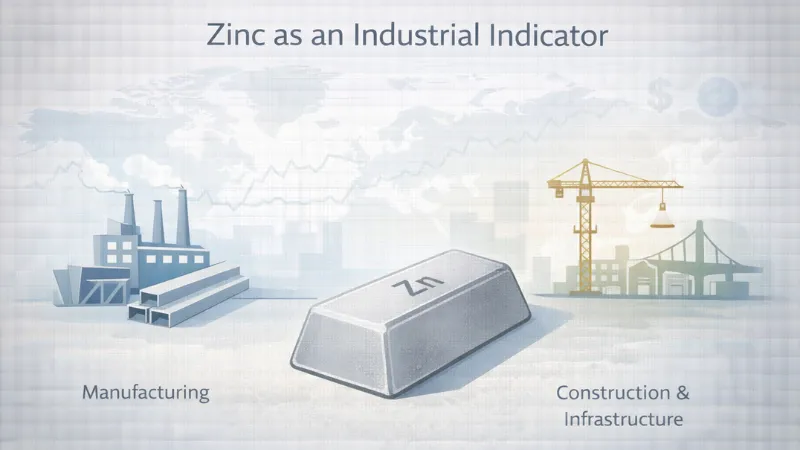
Industrial Metals Watch: What Zinc Can Signal About Manufacturing Demand

Understanding biometric security and Nedap Security Management

Career Change After 40: Proven Strategies for Professionals Seeking Meaningful Work

From Classroom to C-Suite: How Student Entrepreneurs Can Turn Academic Projects into Startup Success Stories

Finsea24 Review: Tips to Navigate Through Forex Market Volatility [finsea24.com]
Mistakes to Avoid When You Rent a Convertible Car in Dubai for a Short Trip

Best Instagram Video Downloaders in 2026